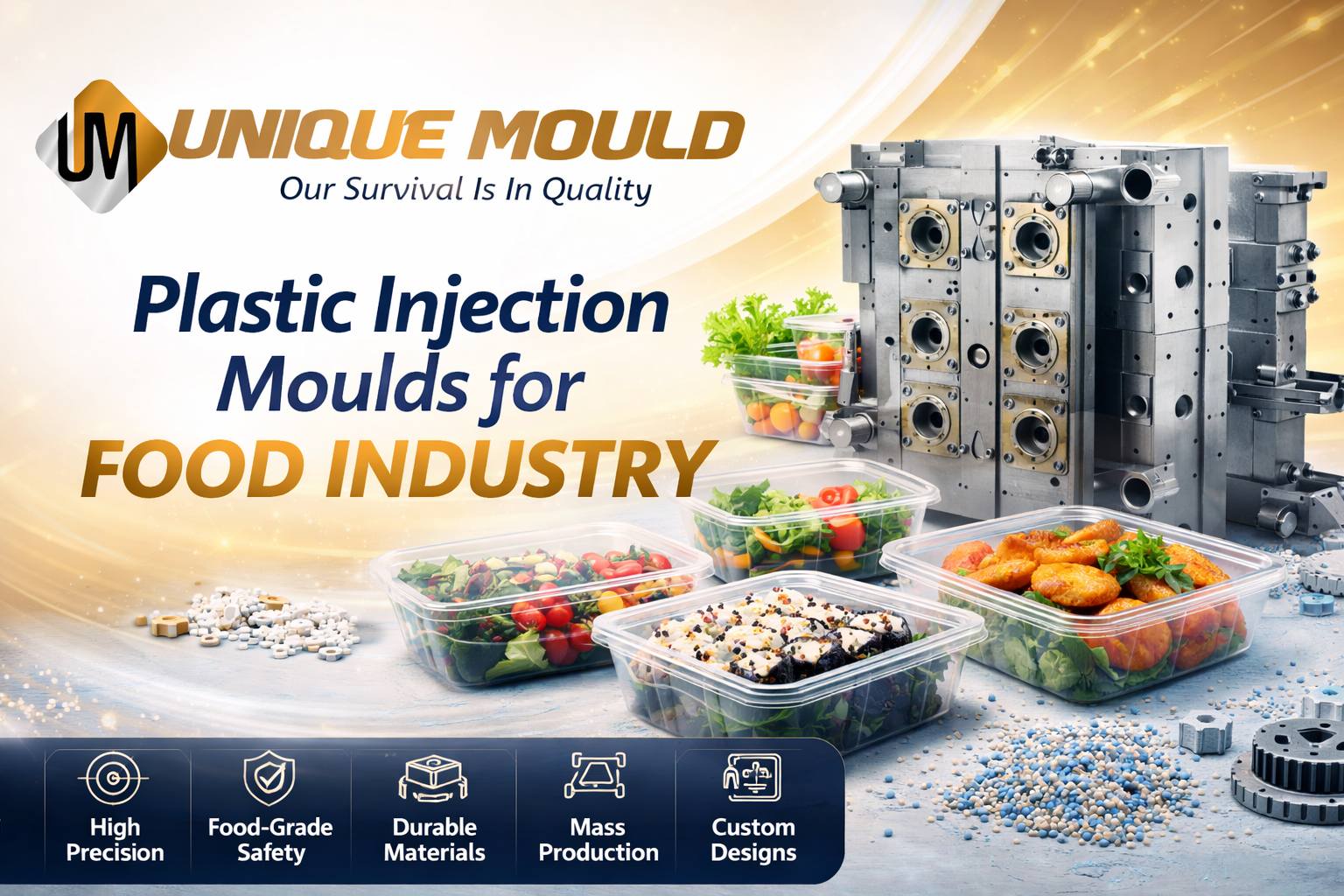
Plastic Injection Moulds for Food Industry
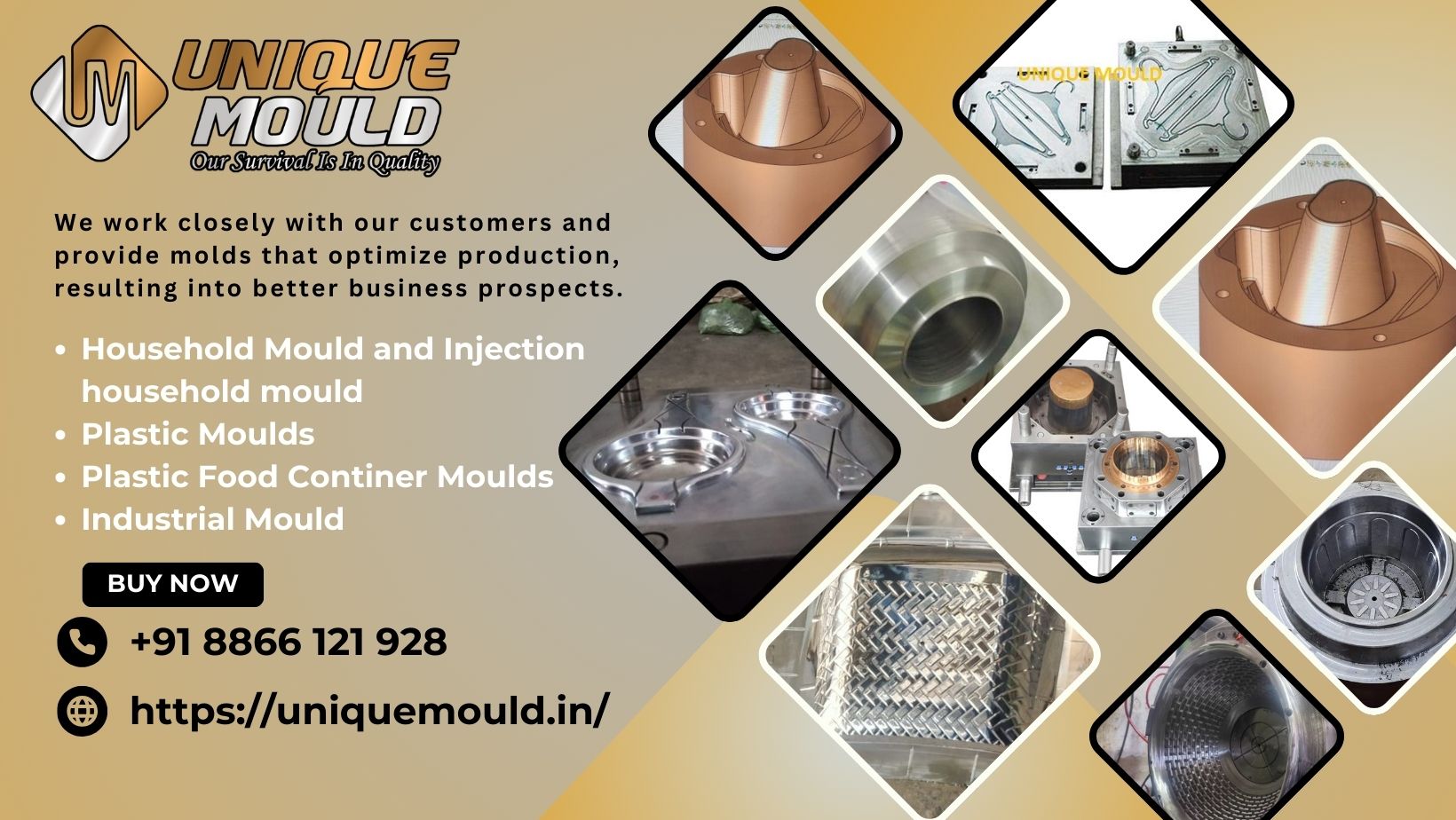
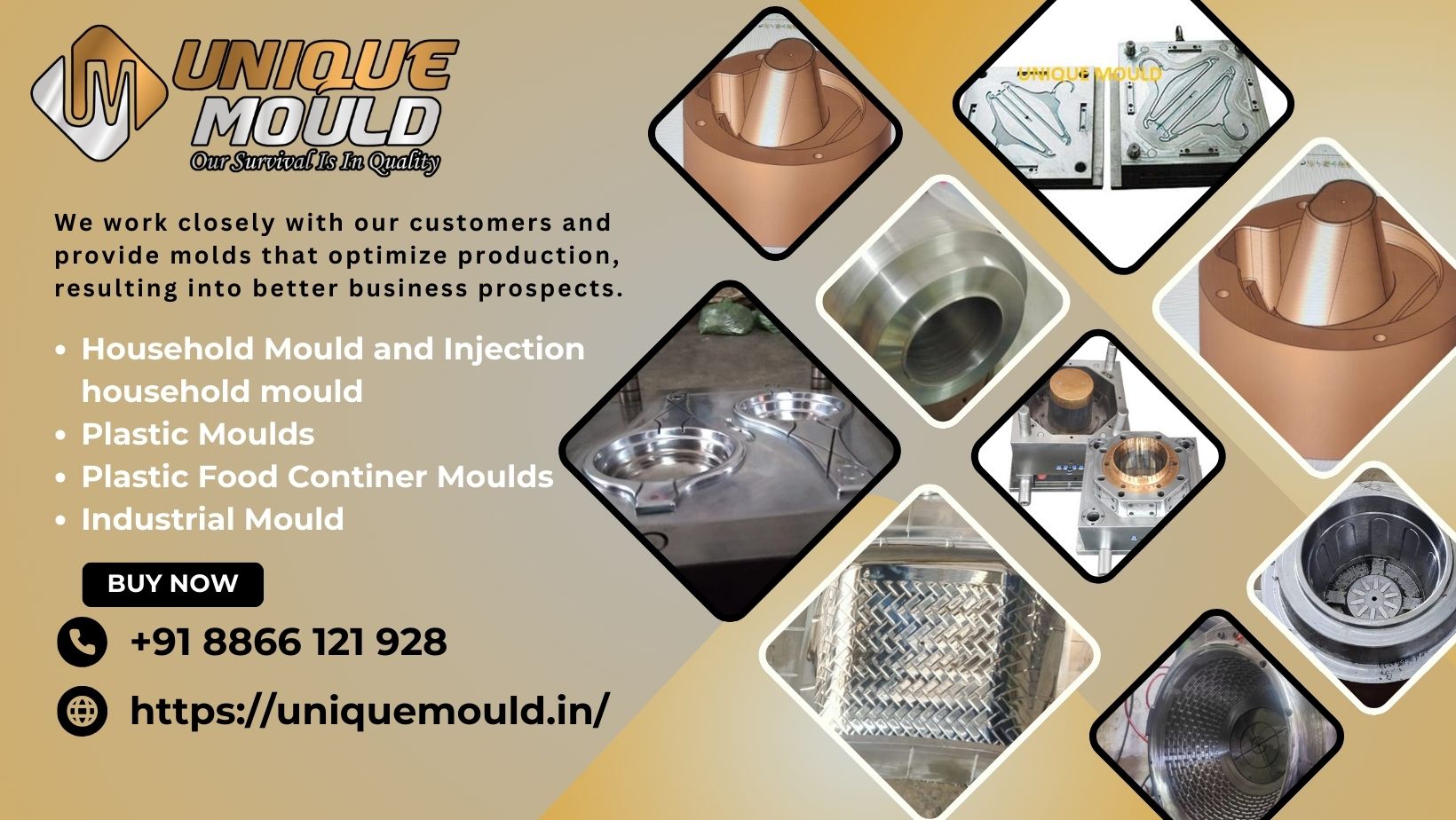
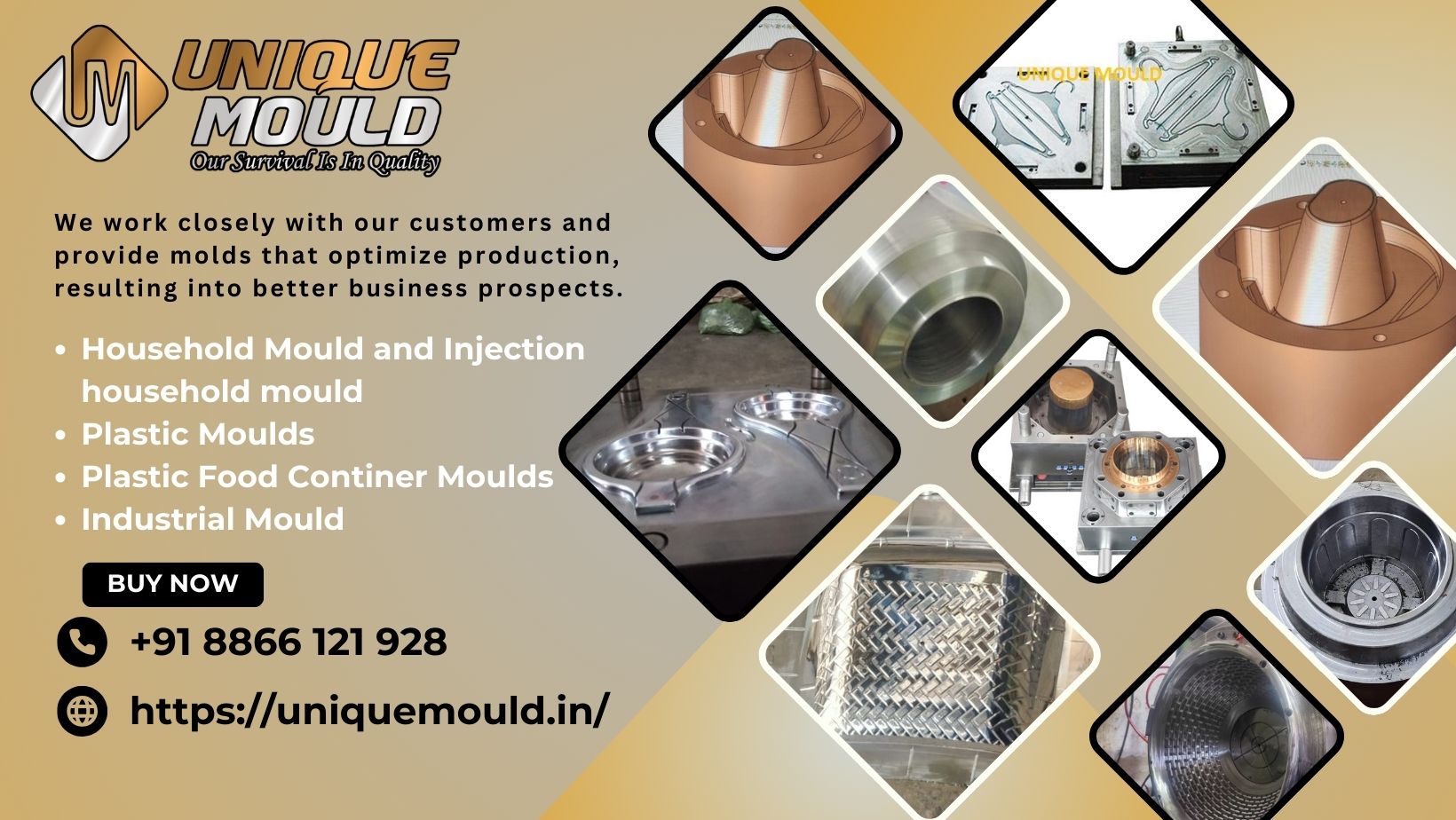
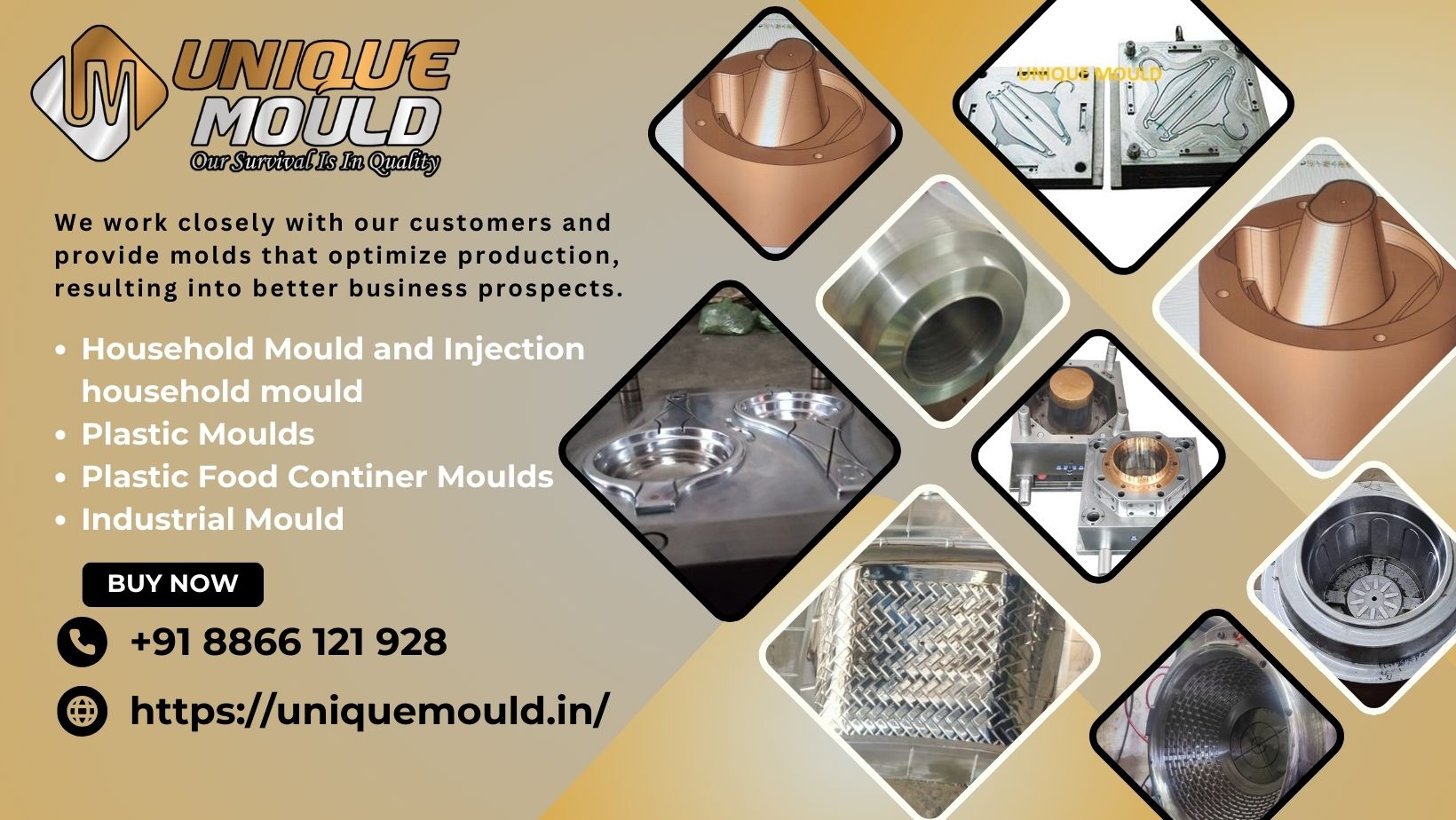
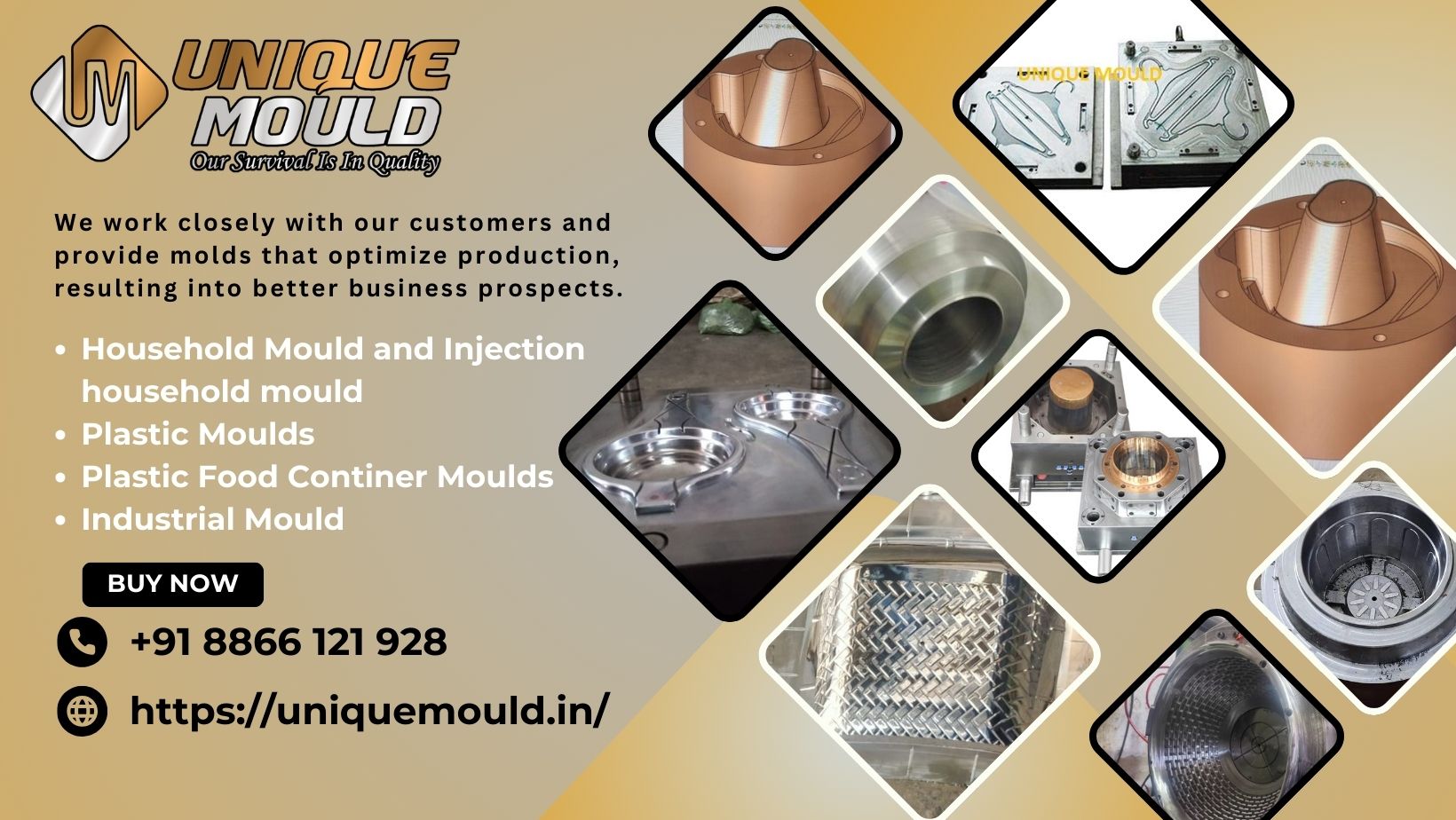
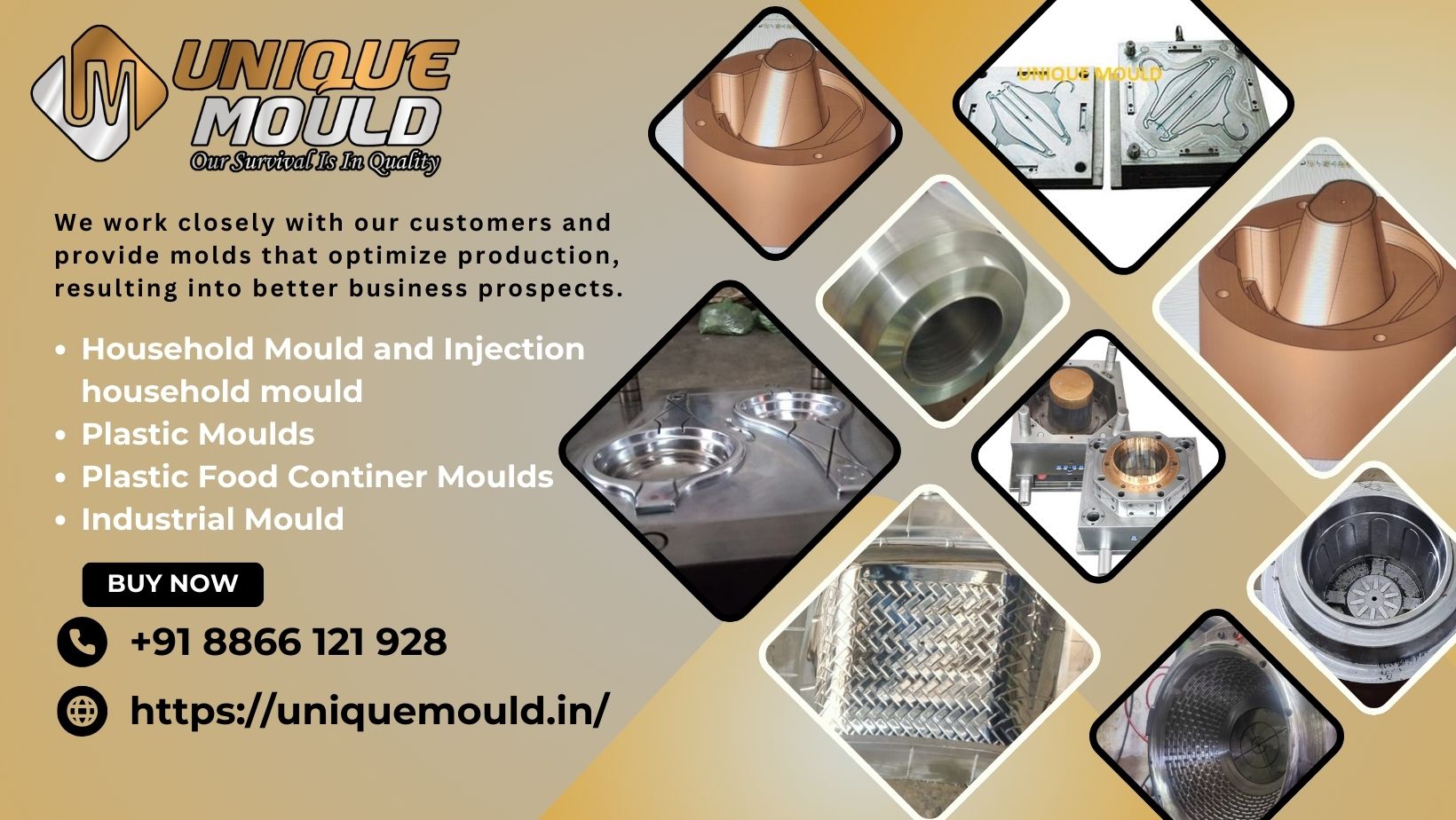
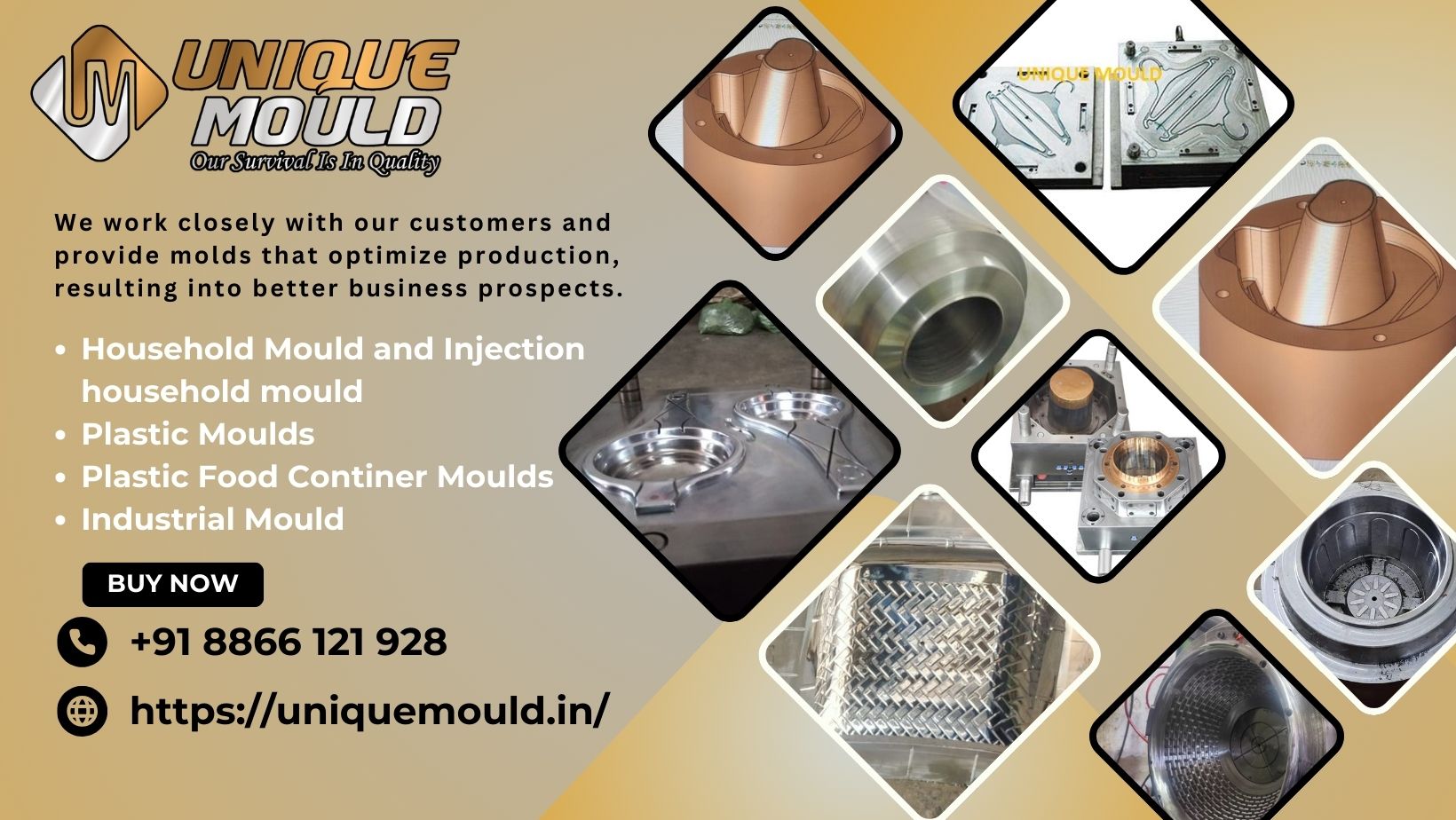
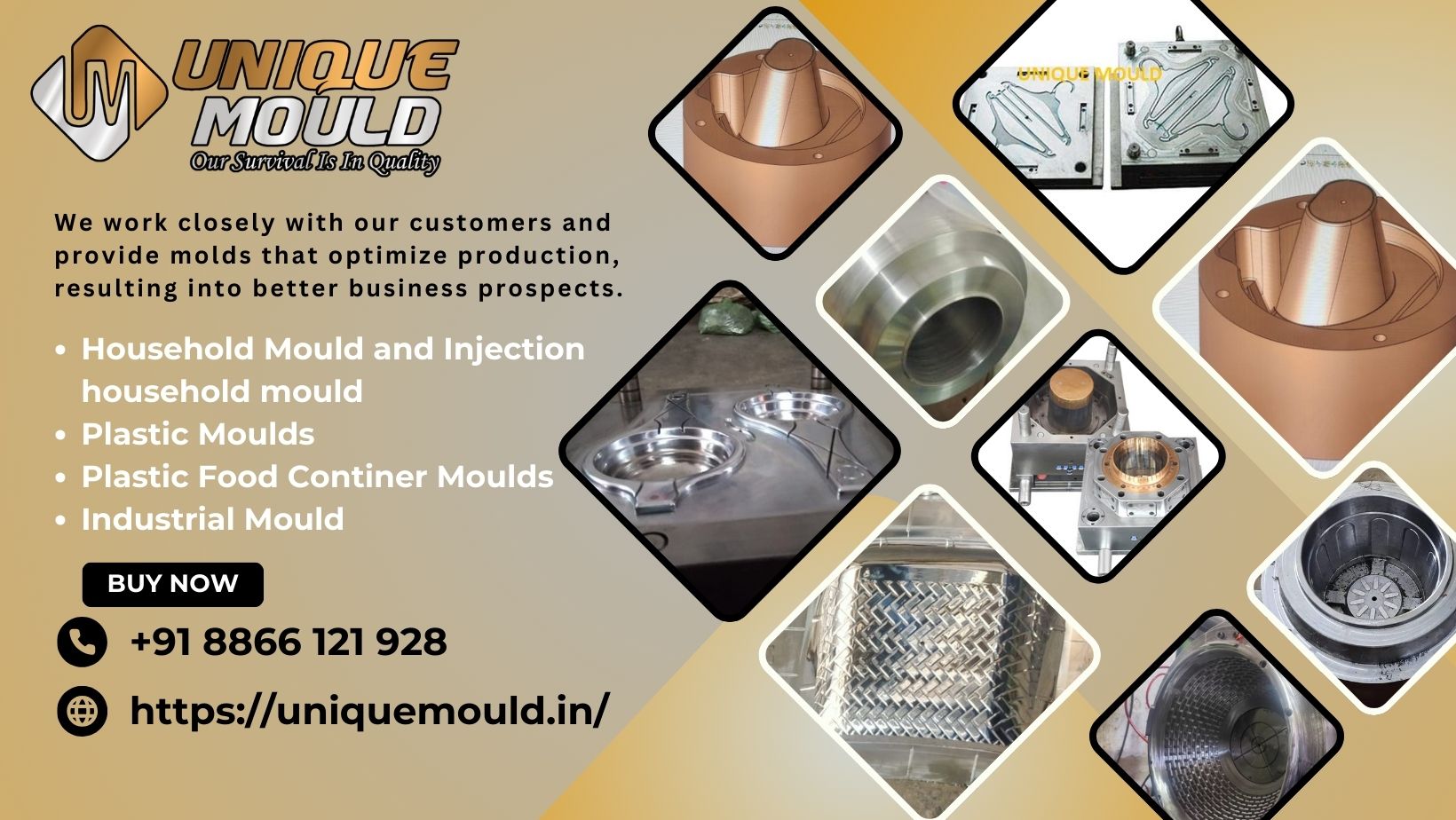
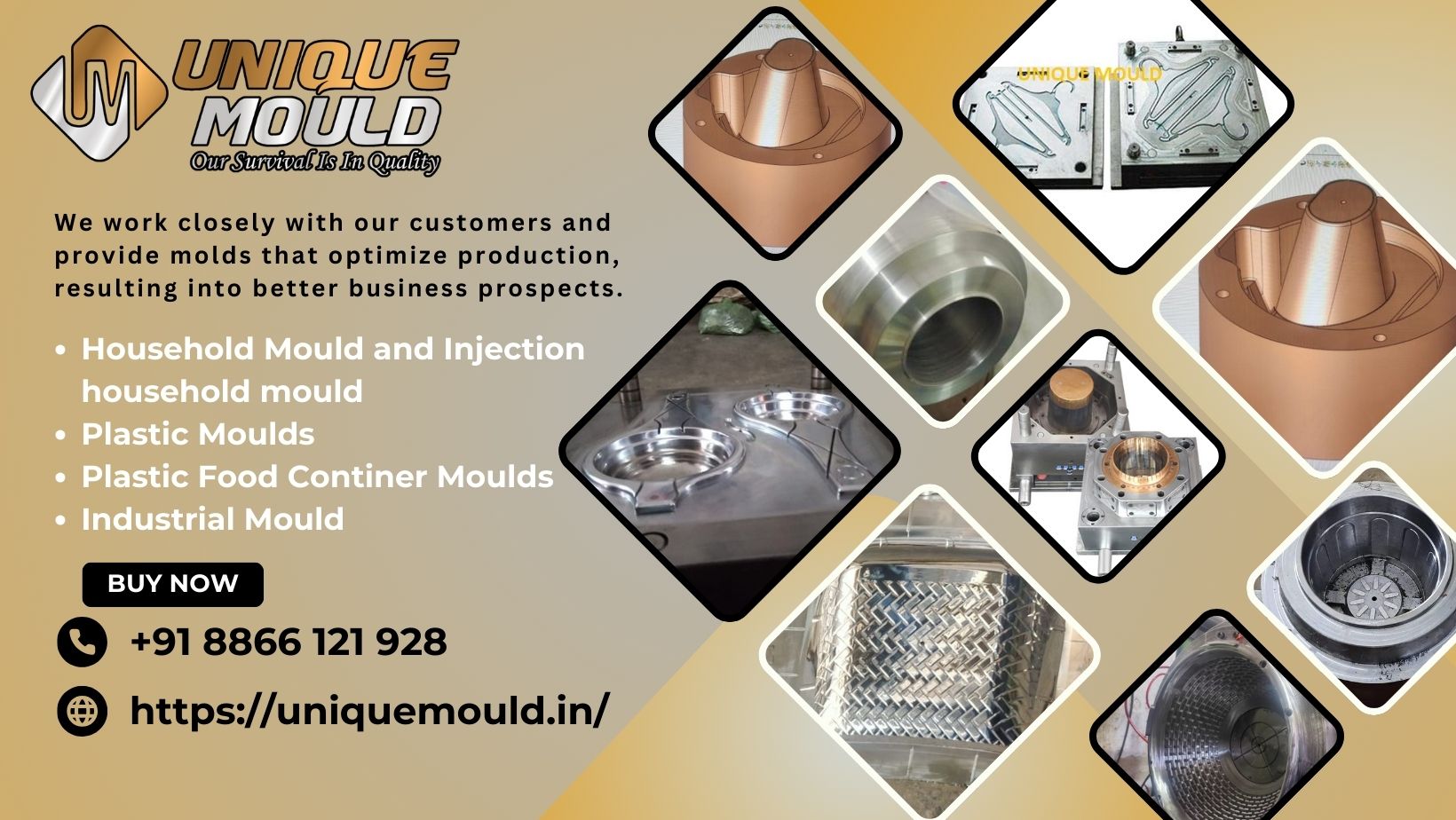
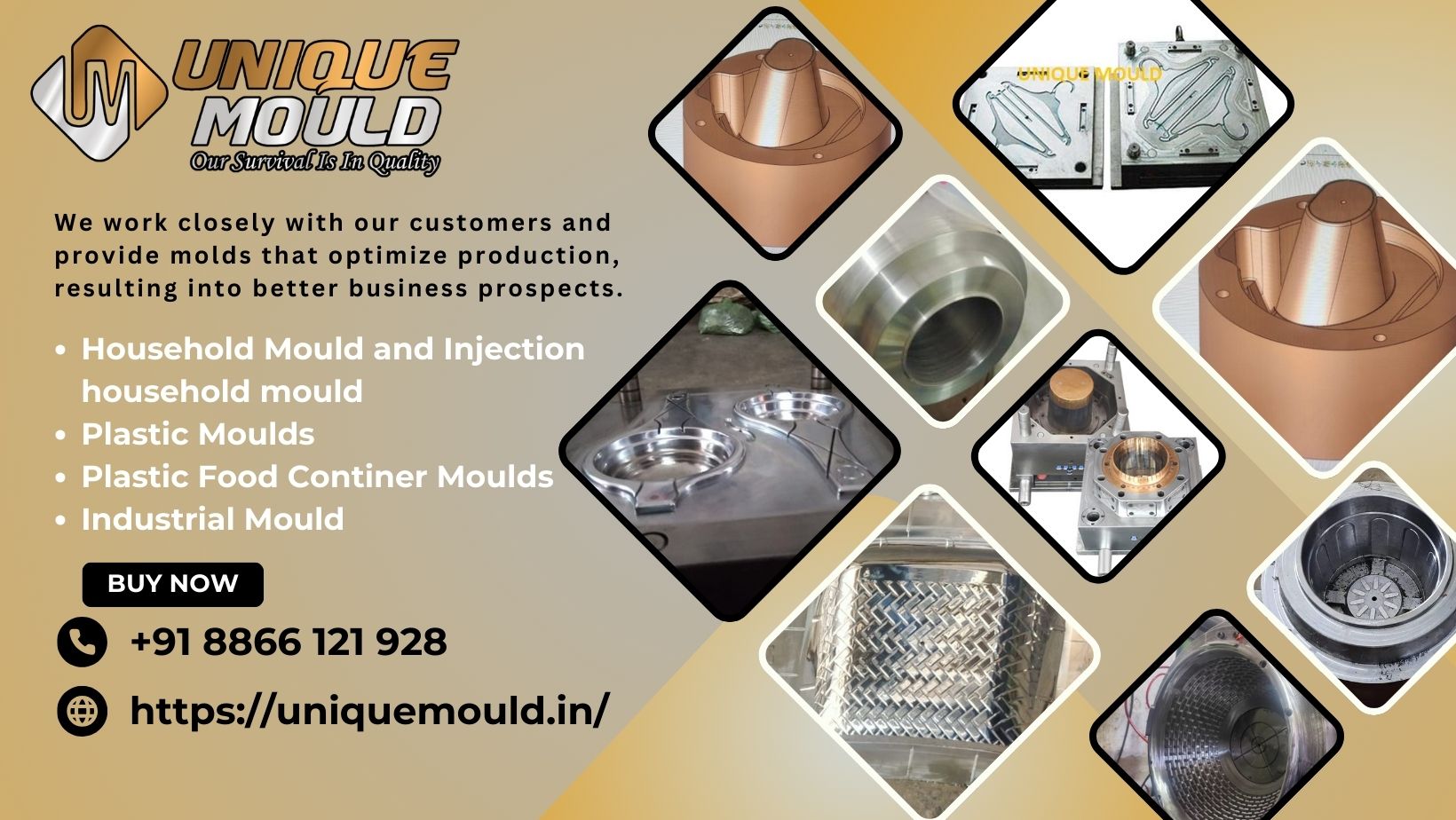
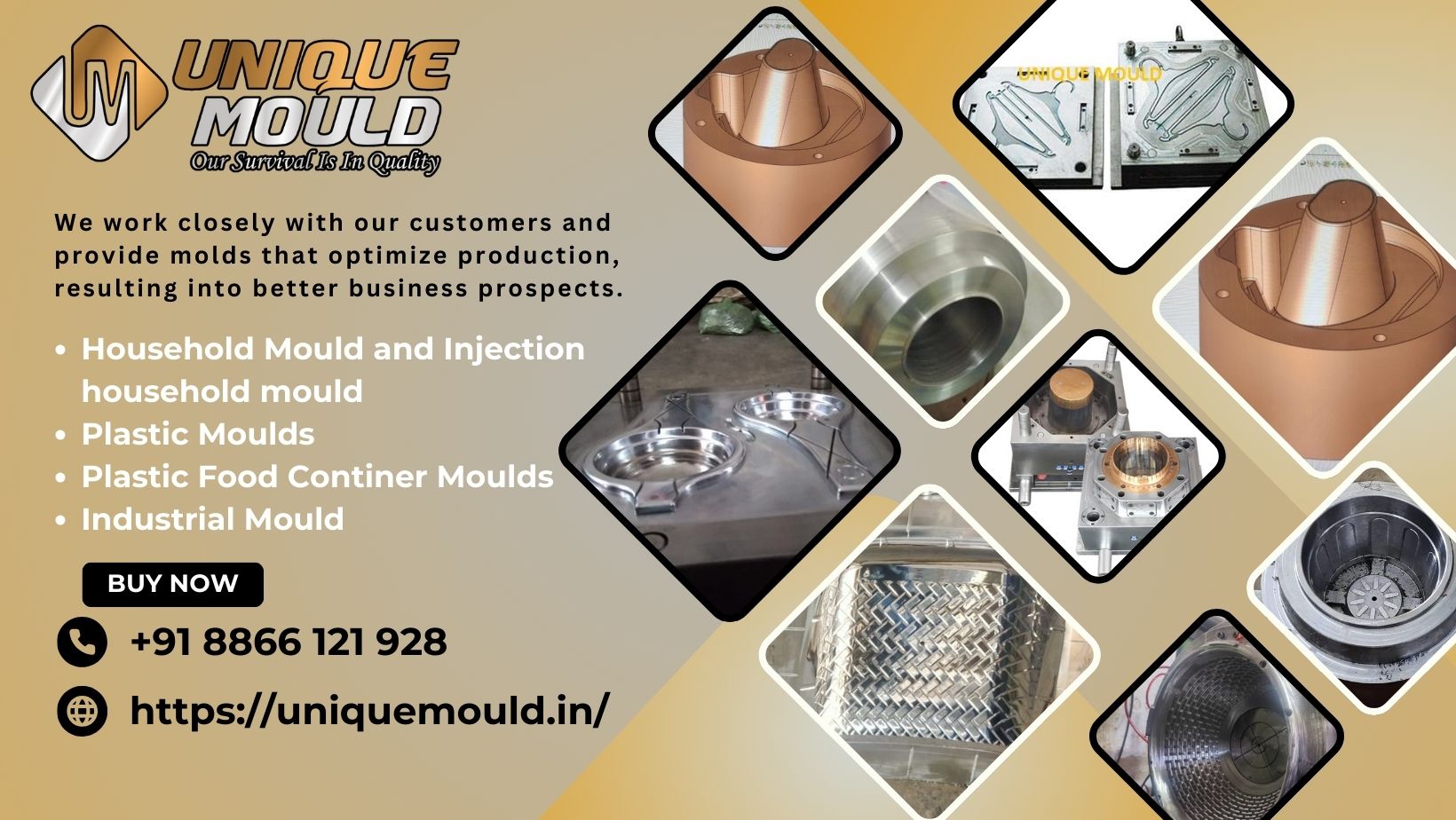
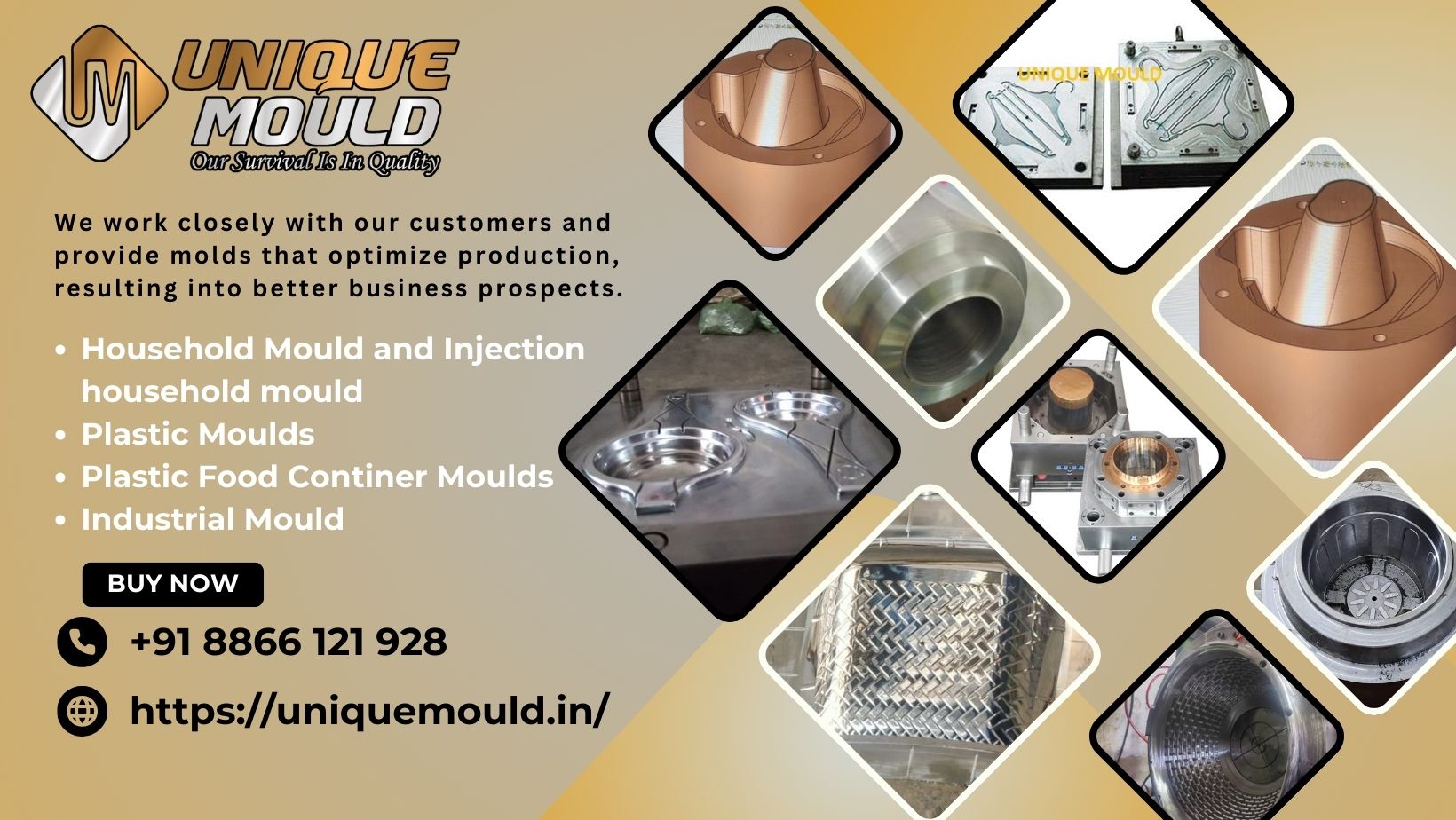
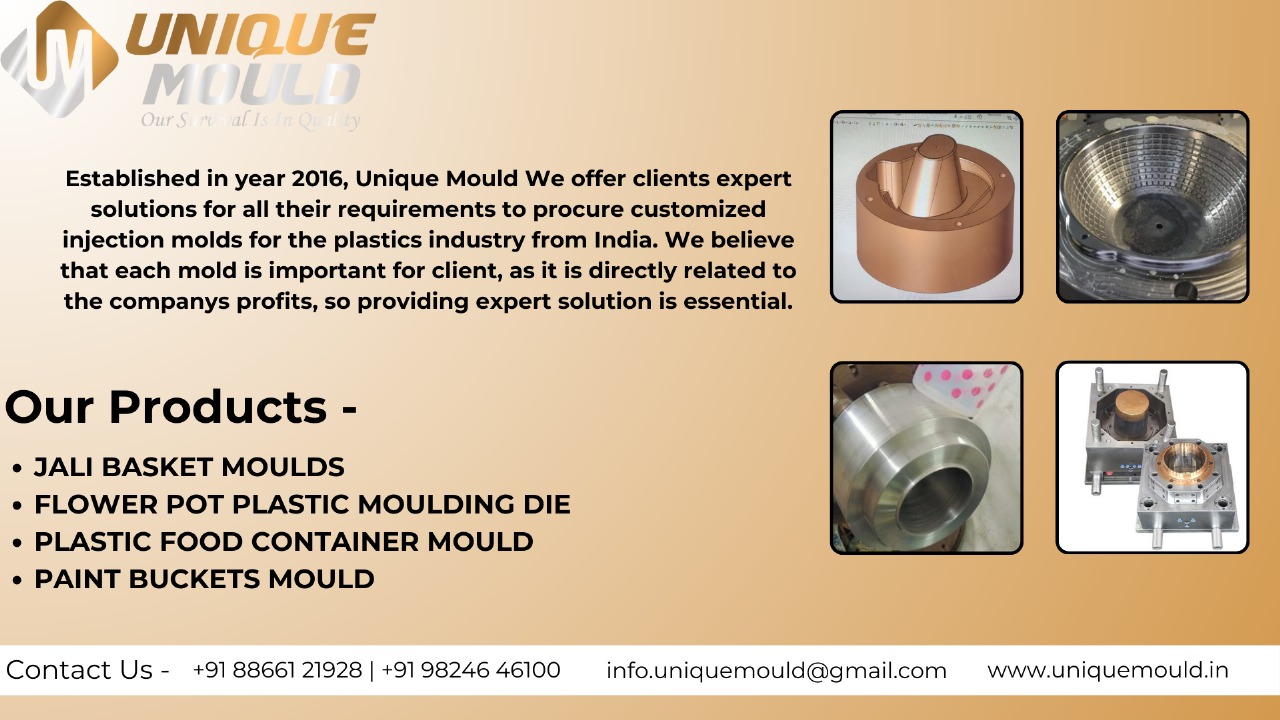
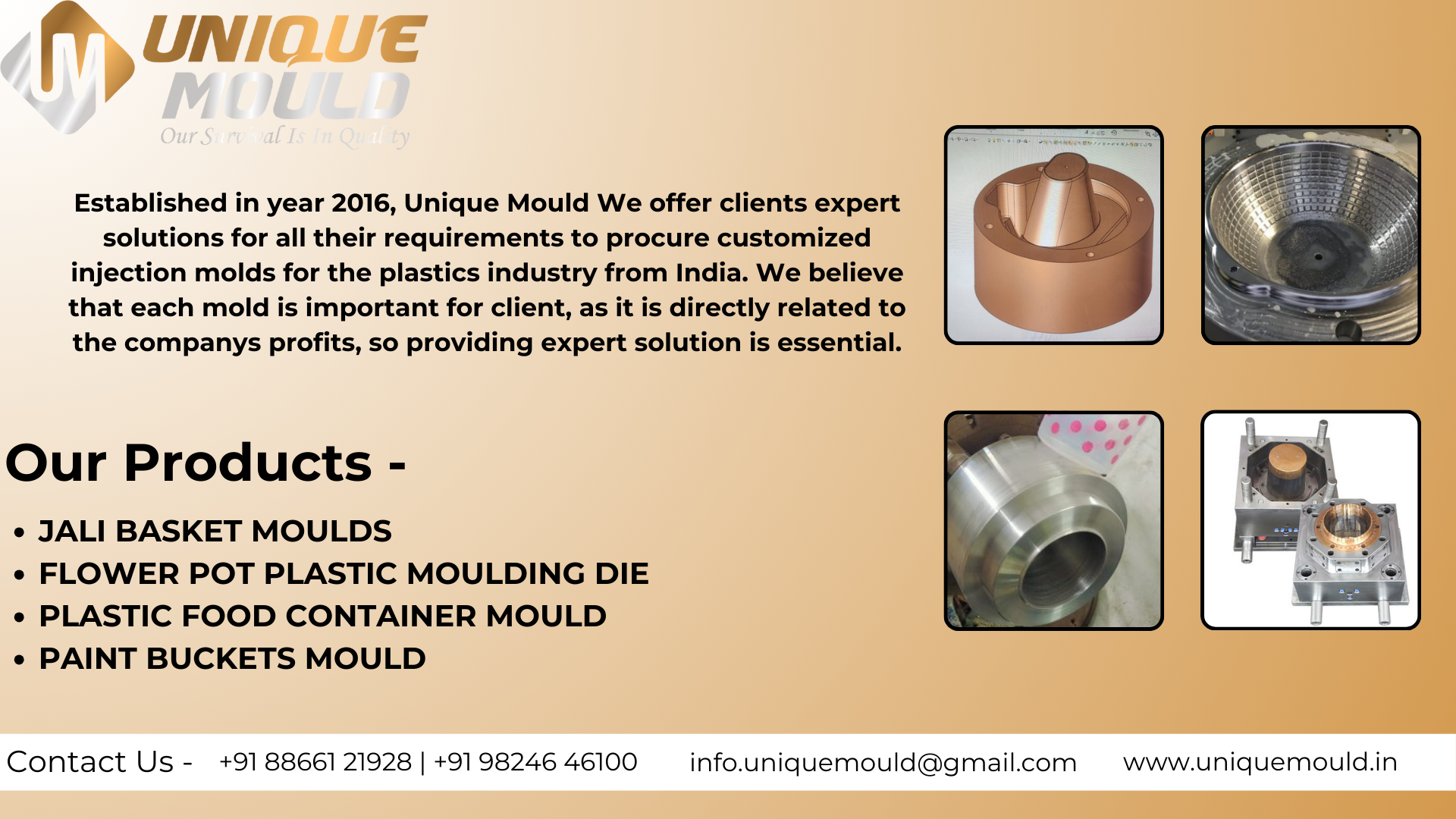
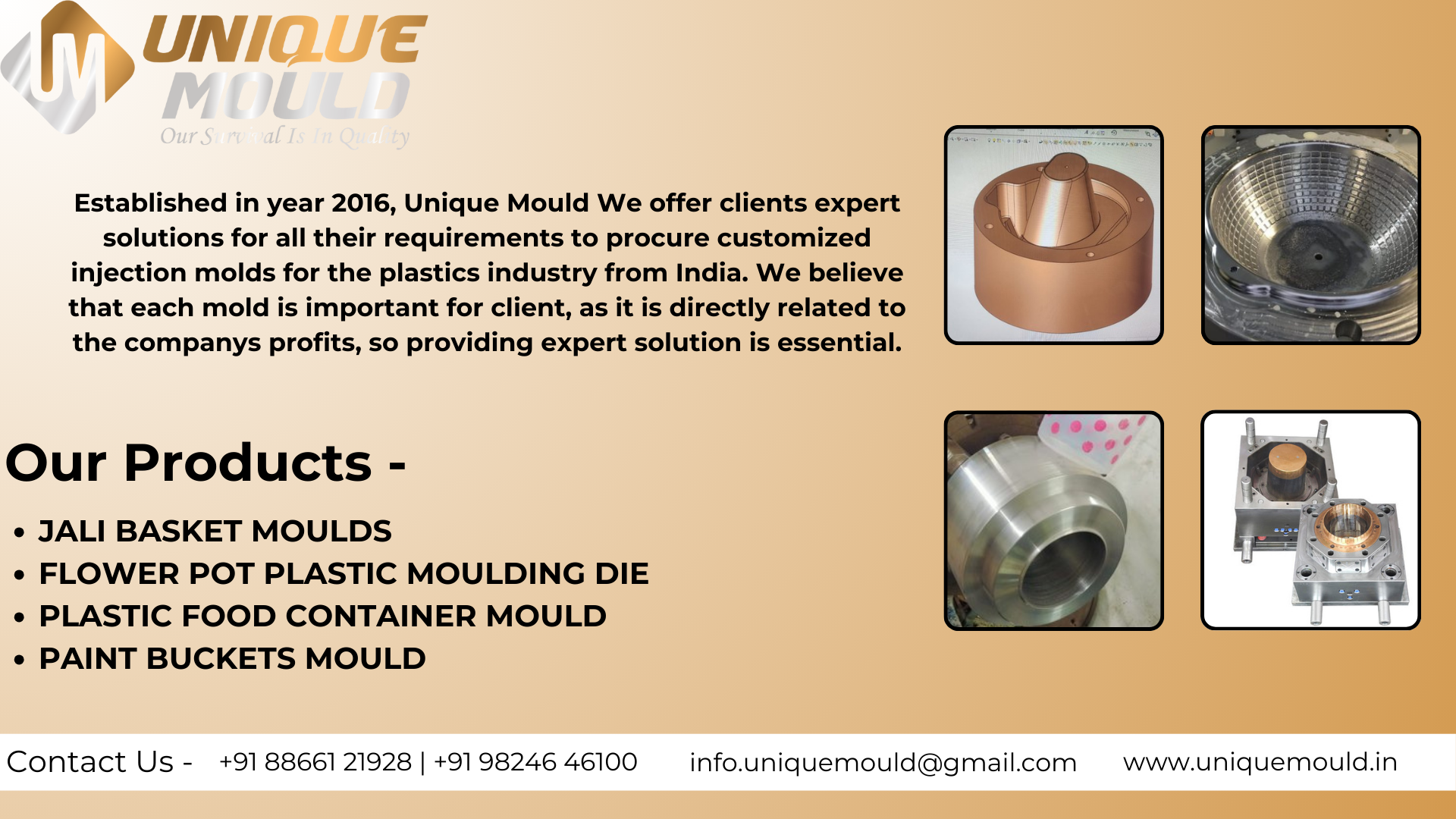
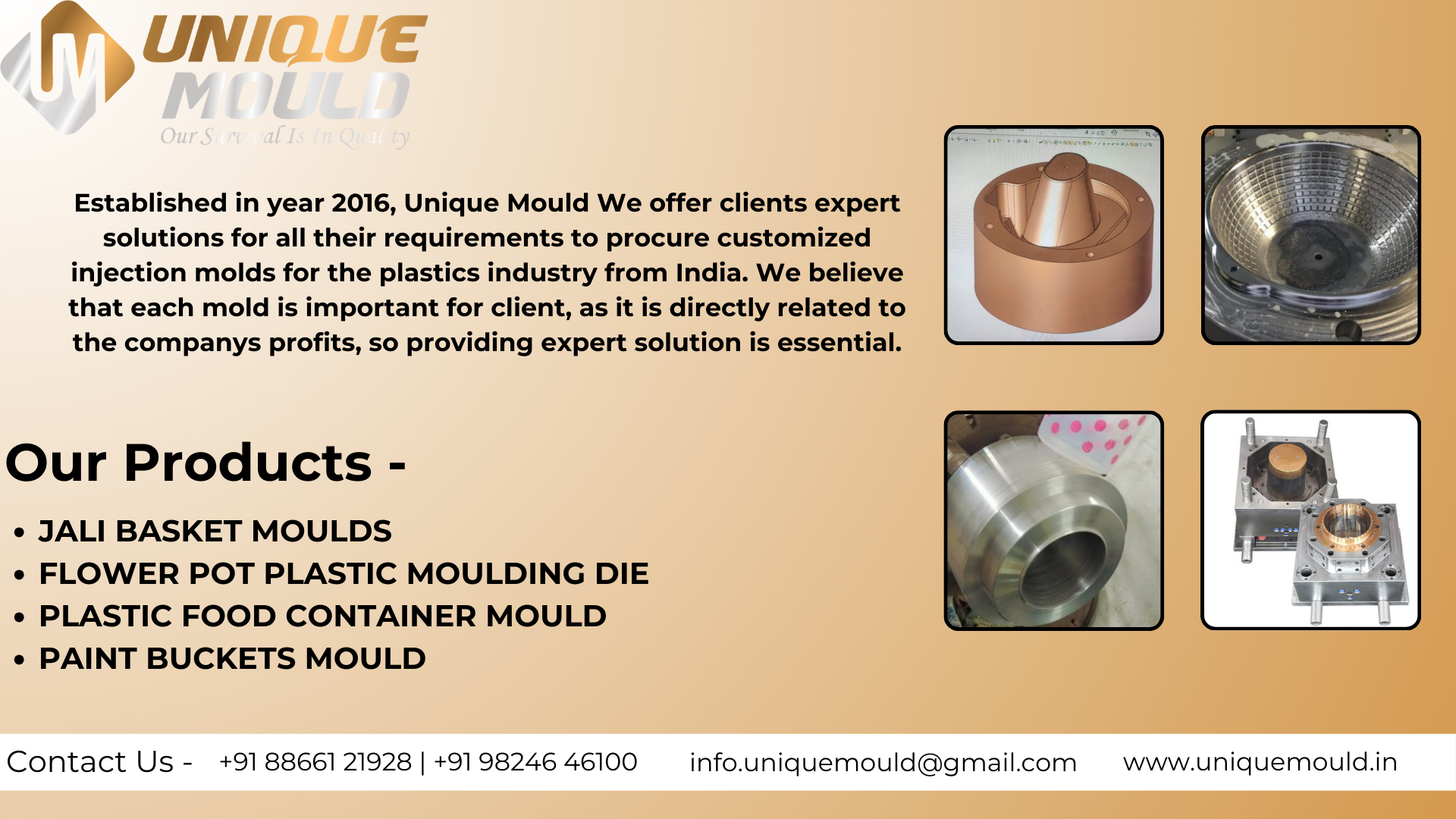
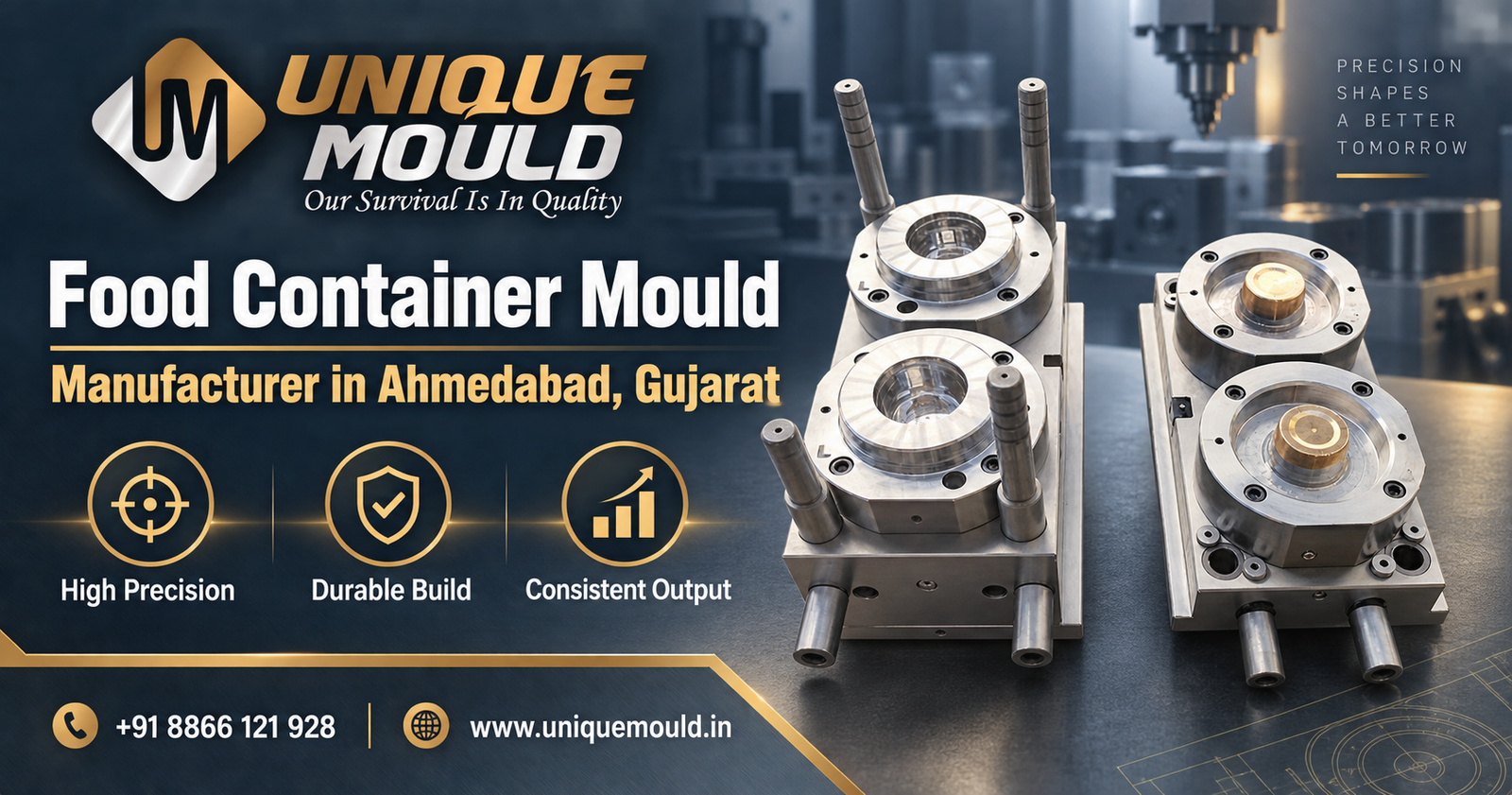
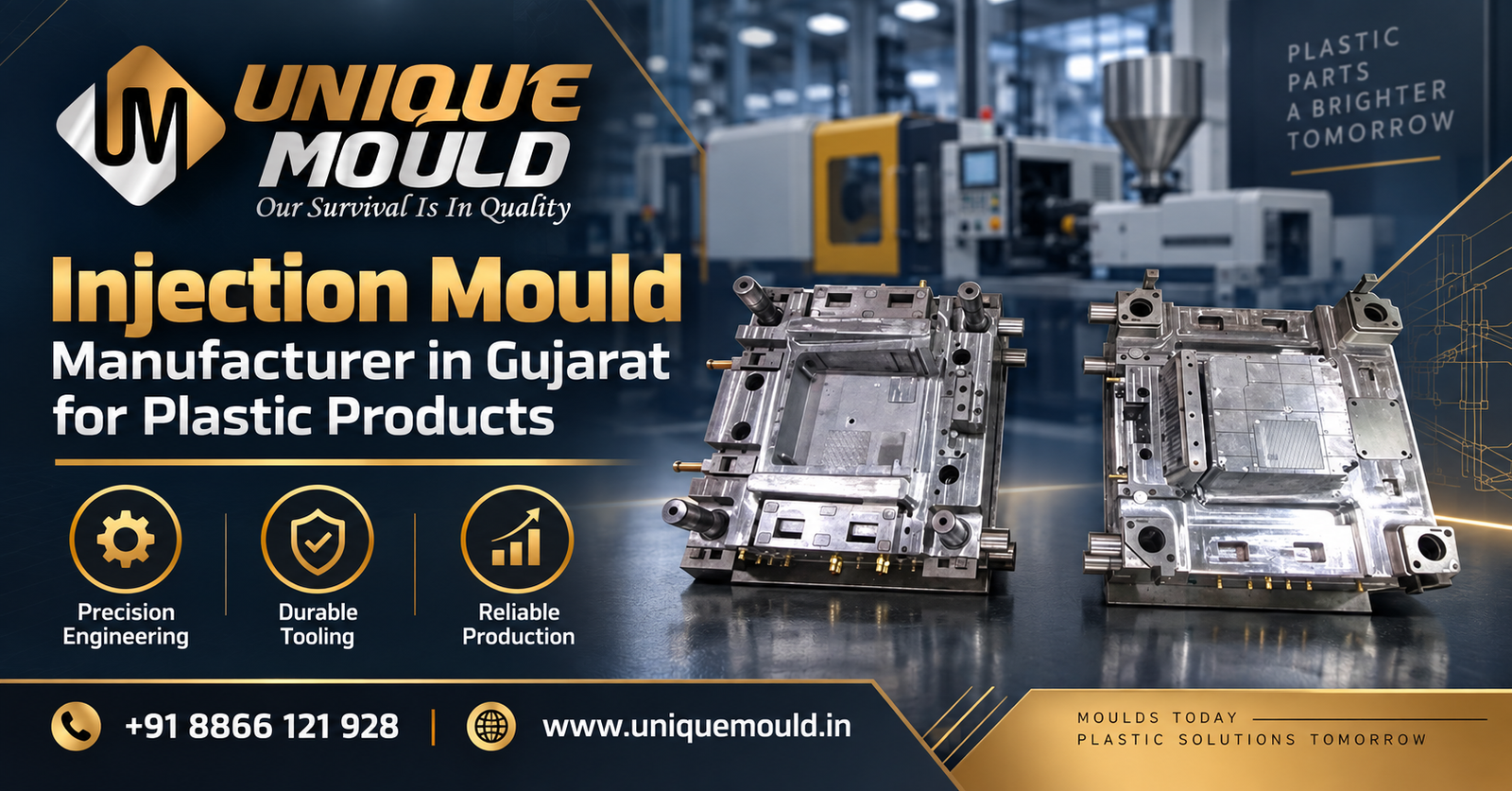
Plastic injection moulds for the food industry play a critical role in manufacturing food-grade packaging products across multiple sectors. These moulds are designed to produce containers, lids, trays, and storage solutions that meet strict hygiene, safety, and durability requirements. In modern manufacturing environments, the demand for consistent quality and precision has made injection moulding one of the most reliable production methods for food-related applications.
Food packaging products require uniformity, structural strength, and compliance with safety guidelines. Injection moulds are engineered to deliver high repeatability, ensuring each product maintains consistent dimensions and finish. The use of materials such as P-20 steel in mould construction enhances durability and ensures long operational life, making these moulds suitable for continuous production cycles.
Understanding Plastic Injection Moulds for Food Industry
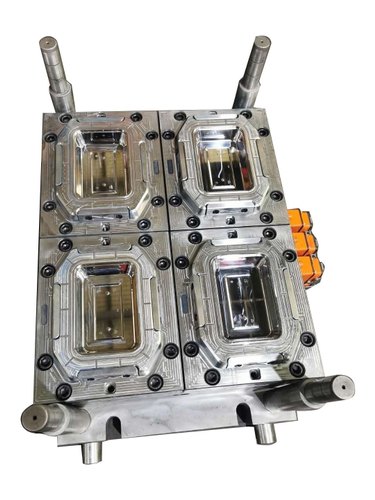
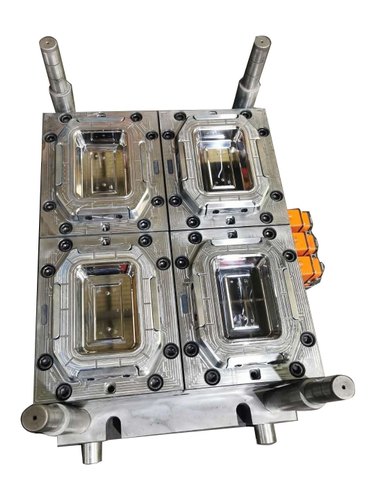
Plastic injection moulds for the food industry are specialized tools used to shape molten plastic into predefined forms. The process involves injecting heated plastic material into a mould cavity, where it cools and solidifies into the desired shape. These moulds are carefully designed to ensure the final product meets food safety standards while maintaining functionality and visual consistency.
The design focuses on smooth surfaces, proper venting, and uniform cooling channels. These elements help reduce defects such as warping, shrinkage, and uneven thickness. The mould structure also supports easy ejection of finished products without causing damage or deformation.
Manufacturers rely on precision engineering techniques to create moulds capable of producing high volumes of food containers with consistent quality. This makes them essential for industries involved in food packaging, storage, and distribution.
Key Components of Food Industry Injection Moulds
Plastic injection moulds consist of several critical components that work together to ensure efficient production. Each component performs a specific function in shaping and finishing the final product.
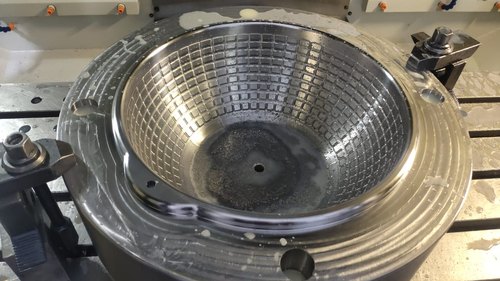
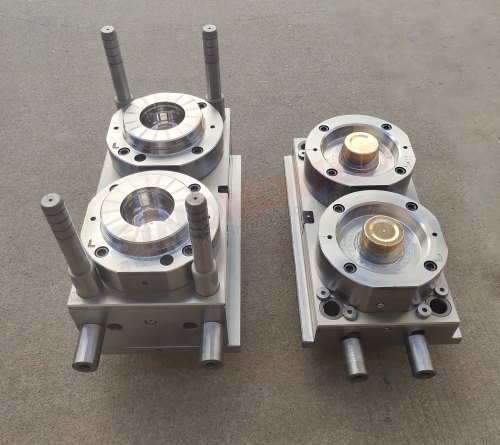
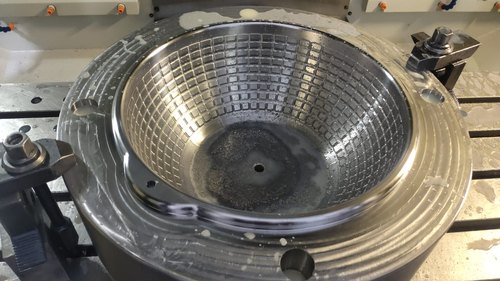
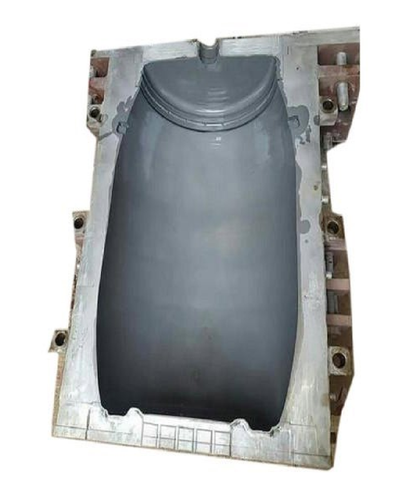
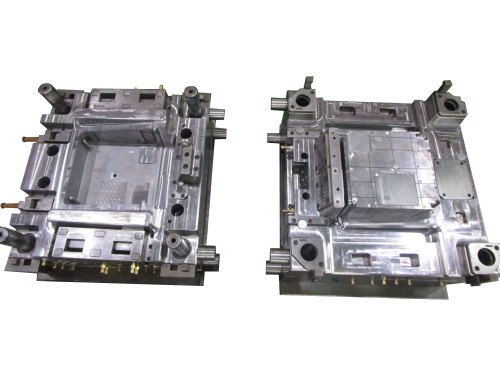
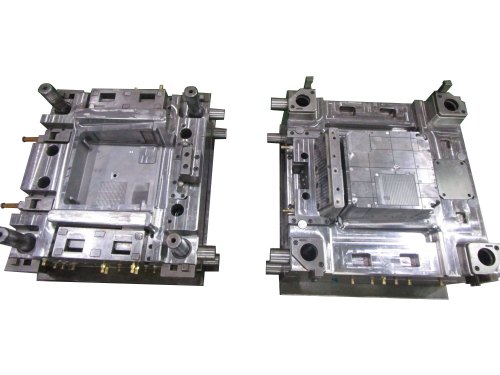
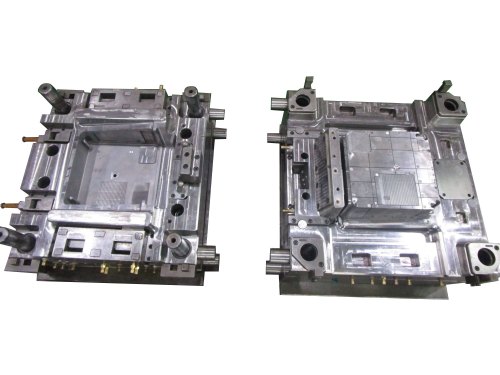
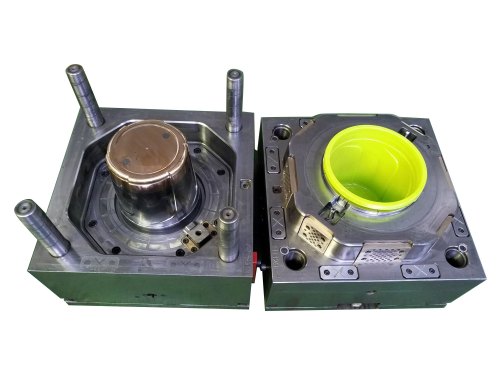
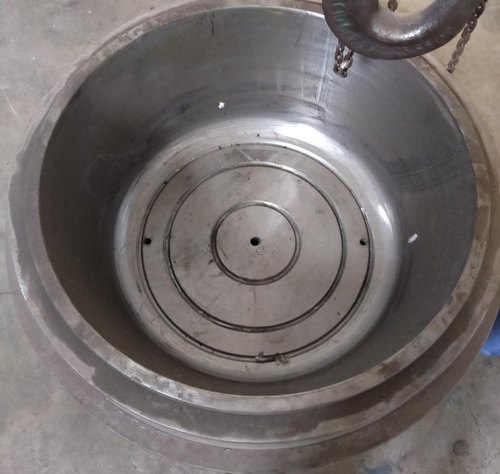
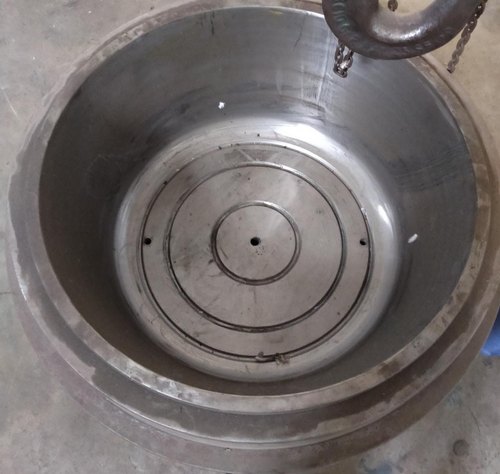
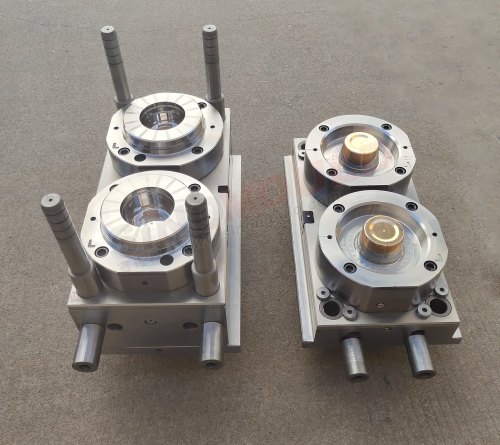
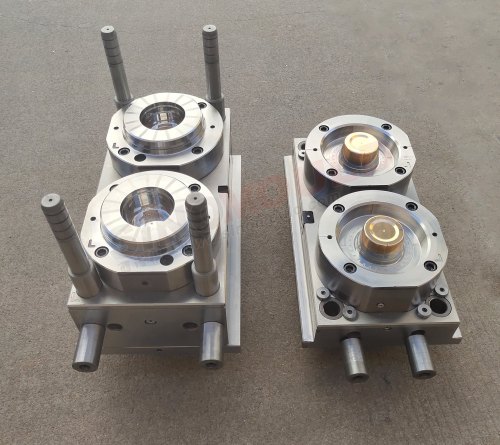
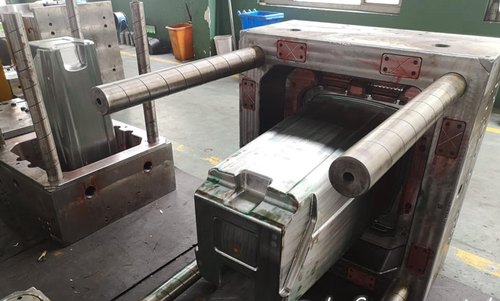
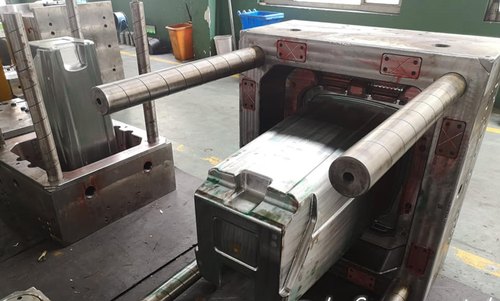
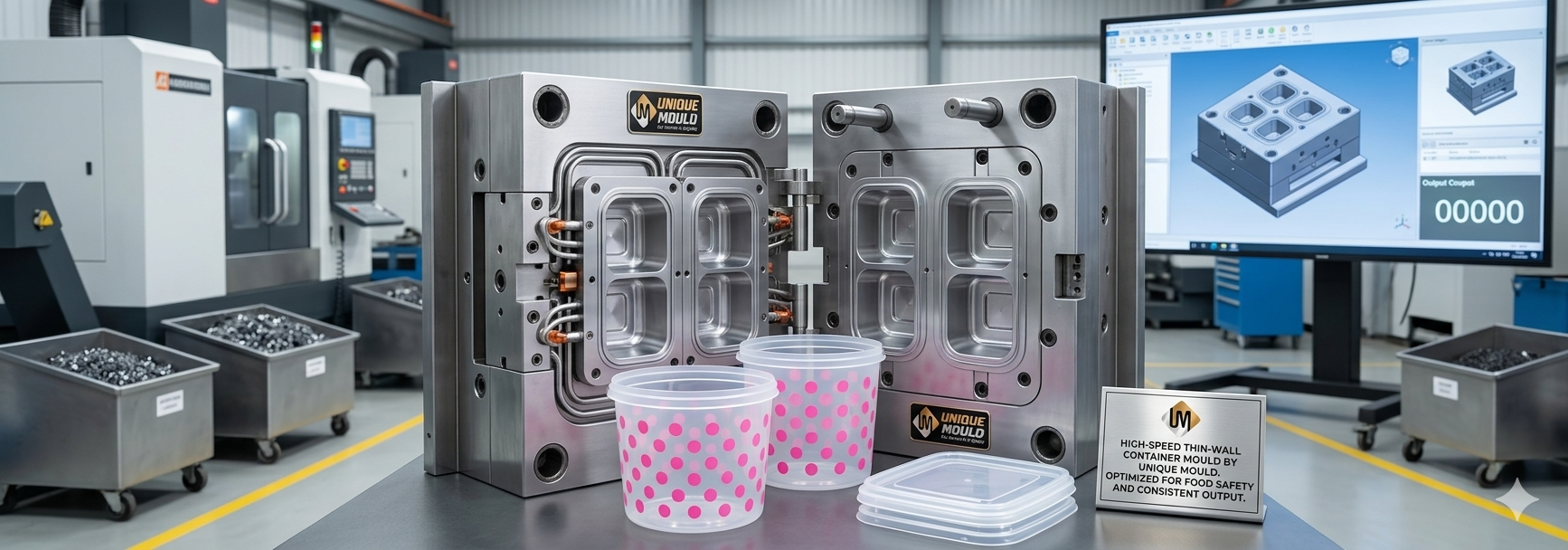
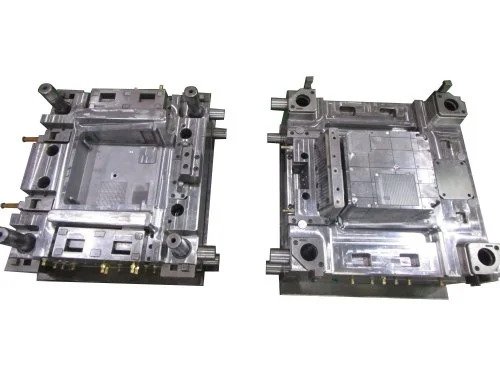
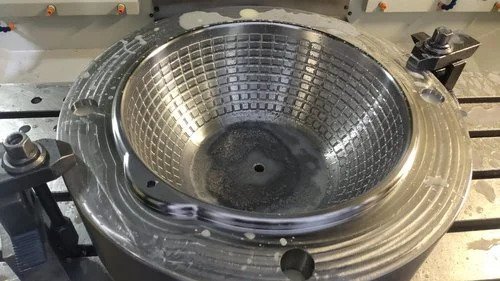
The mould cavity defines the external shape of the product, while the core forms its internal structure. Cooling channels are integrated within the mould to regulate temperature and ensure proper solidification of plastic. Ejector systems enable smooth removal of the finished product without damaging its surface.
The use of high-quality materials such as P-20 steel improves the durability of the mould. This material is widely preferred for its strength, machinability, and resistance to wear, making it ideal for long production runs in the food packaging industry.
Working Process of Plastic Injection Moulding
The working process of plastic injection moulds for the food industry follows a structured sequence to ensure precision and consistency.
- Plastic material is heated until it reaches a molten state
- The molten plastic is injected into the mould cavity under controlled pressure
- The material cools and solidifies inside the mould
- The mould opens and the finished product is ejected
- The cycle repeats for continuous production
This process ensures that each product is manufactured with high accuracy and minimal variation. It also supports mass production, making it suitable for large-scale food packaging requirements.
Applications of Plastic Injection Moulds in Food Industry
Plastic injection moulds are widely used across different segments of the food industry. Their versatility allows manufacturers to produce a wide range of products for storage, transportation, and packaging needs.
- Food storage containers for household and commercial use
- Takeaway food boxes for restaurants and delivery services
- Packaging trays for processed and ready-to-eat products
- Lids and covers for maintaining freshness
- Industrial packaging solutions for bulk storage and transport
These applications highlight the importance of precision moulds in ensuring product safety, usability, and compliance with food standards.
Benefits of Using Injection Moulds for Food Packaging
Plastic injection moulds offer several advantages that make them highly suitable for food industry applications. Their ability to produce consistent, high-quality products supports efficient manufacturing operations.
- High precision in product dimensions and shape
- Smooth surface finish suitable for food-grade use
- Long mould life due to durable construction materials
- Efficient production cycles for large-scale manufacturing
- Minimal material wastage during production
- Consistent product quality across batches
These advantages make injection moulding a preferred choice for manufacturers aiming to maintain quality while meeting high production demands.
Maintenance and Longevity of Injection Moulds
Proper maintenance is essential for extending the lifespan of plastic injection moulds. Regular cleaning and inspection help identify wear and potential issues at an early stage, preventing defects in the final product.
Routine maintenance includes lubrication of moving parts, inspection of cooling channels, and monitoring of ejector systems. Maintaining optimal operating conditions also reduces stress on the mould and improves overall durability.
A well-maintained mould supports long production cycles without compromising quality, making it a valuable asset in the food packaging industry.
Future Trends in Food Industry Injection Moulding
The demand for plastic injection moulds for the food industry continues to grow as manufacturers focus on efficiency and sustainability. Advanced technologies are being integrated into mould design and manufacturing processes to improve precision and reduce production time.
Automation and smart manufacturing systems enable better control over production parameters, resulting in improved product consistency and reduced operational costs. Developments in material science are also contributing to the creation of more durable and efficient moulds.
These advancements are shaping the future of food packaging manufacturing, making injection moulding more efficient and reliable.
Frequently Asked Questions
Plastic injection moulds for the food industry are used to manufacture food-grade containers, packaging trays, lids, and storage products with high precision and consistency.
P-20 steel is commonly used because it offers strength, good machinability, and durability, making it suitable for long production runs and consistent performance.
Injection moulds are designed to produce smooth, contamination-free surfaces and are used with food-grade plastic materials, ensuring that the final products are safe for direct food contact.
Factors such as mould design, cooling efficiency, material quality, and injection pressure influence the quality and consistency of moulded food containers.
Maintenance should be performed regularly based on production cycles, including cleaning, inspection, and lubrication to ensure consistent performance and longer lifespan.
Yes, injection moulds can be designed and manufactured according to specific product requirements, including shape, size, and functional features.
These moulds are widely used in food packaging, processing, storage, and distribution industries where precision and hygiene are essential.
Conclusion
Plastic injection moulds for the food industry are essential tools that support the production of safe, durable, and high-quality food packaging products. Their precision, efficiency, and reliability make them a key component in modern manufacturing processes. By ensuring consistency and compliance with safety standards, these moulds play a vital role in enhancing the overall quality and performance of food packaging solutions.
Get In Touch
Filter Using Product Tags
Related Keywords












































Quick Enquiry



Our Products
Popular Links
Get In Touch
32, ABHISHREE IND ESTATE, S.P RING ROAD, ODHAV-382415 AHMEDABAD (GUJ)
info@uniquemould.in
info.uniquemould@gmail.com
+91 8866 121 928
+91 982 4646 100
© WELCOME TO UNIQUE MOULD. All Rights Reserved.
Designed by industrieslead.com