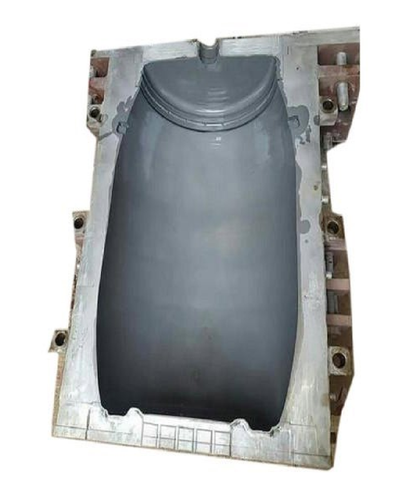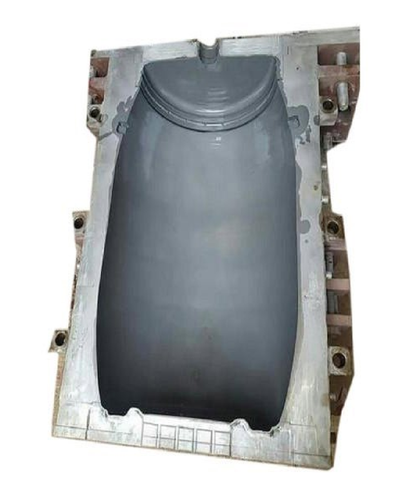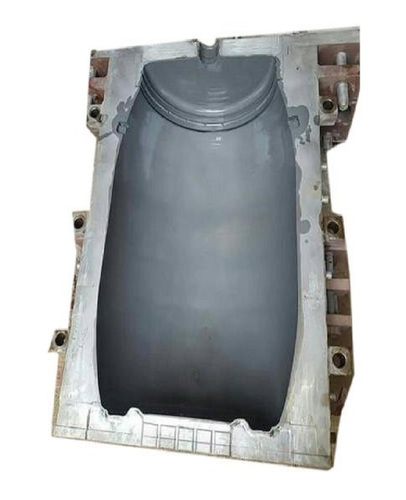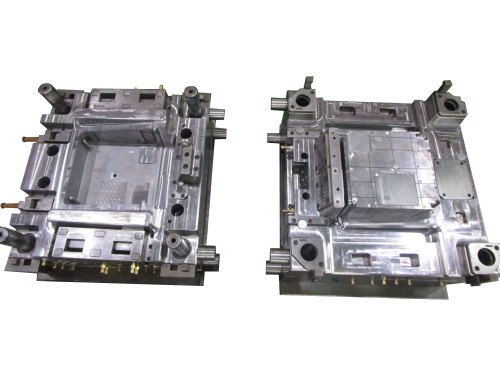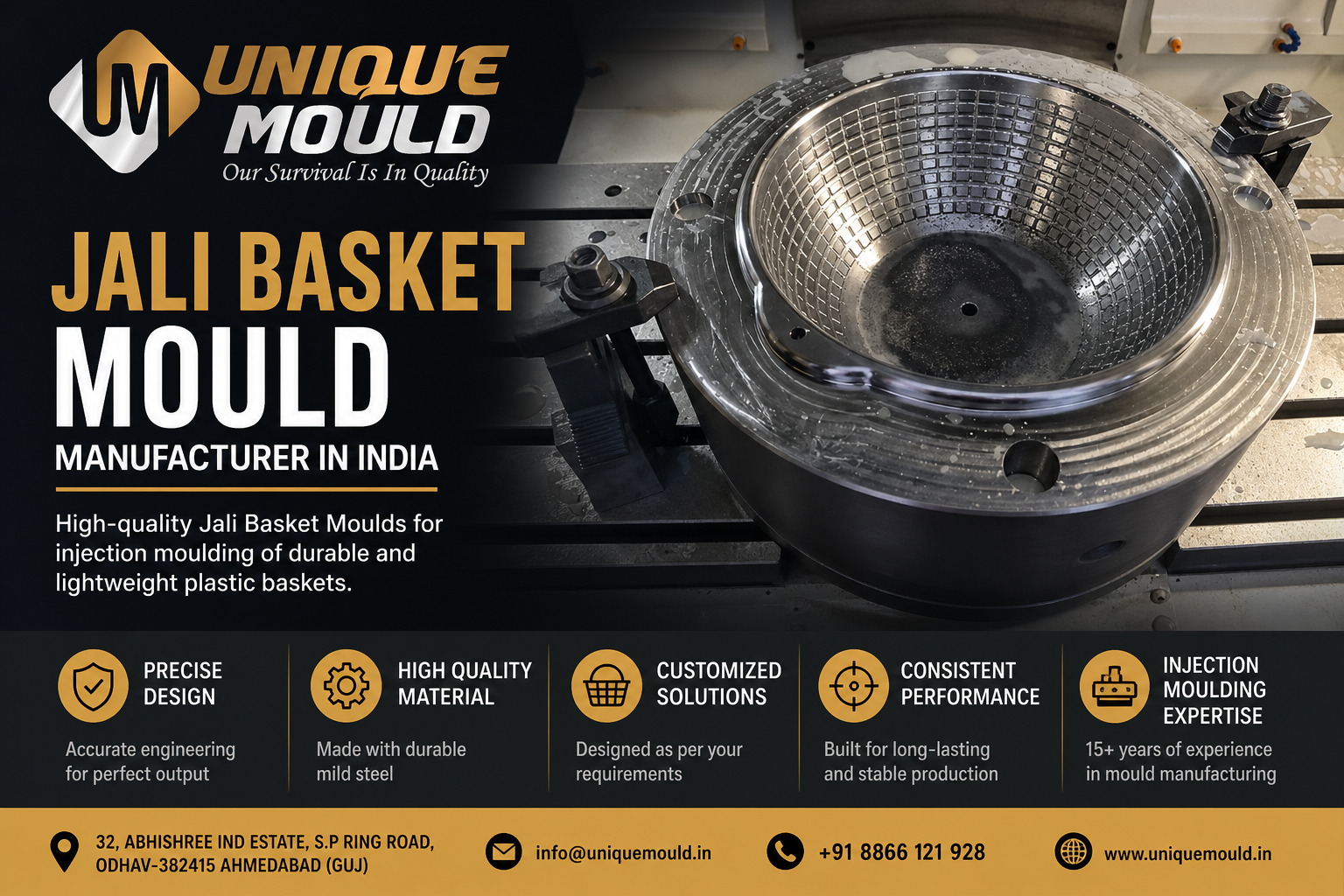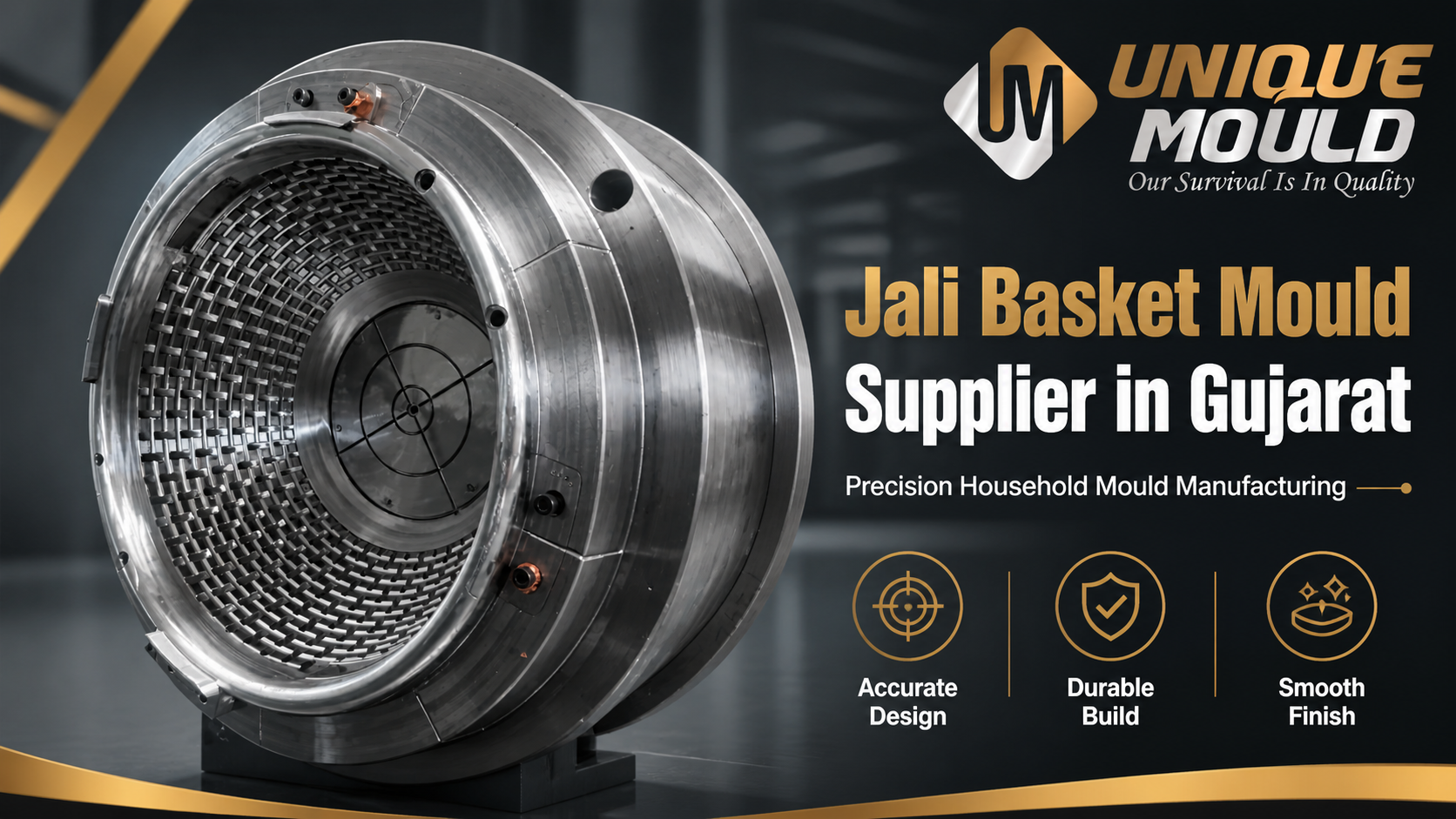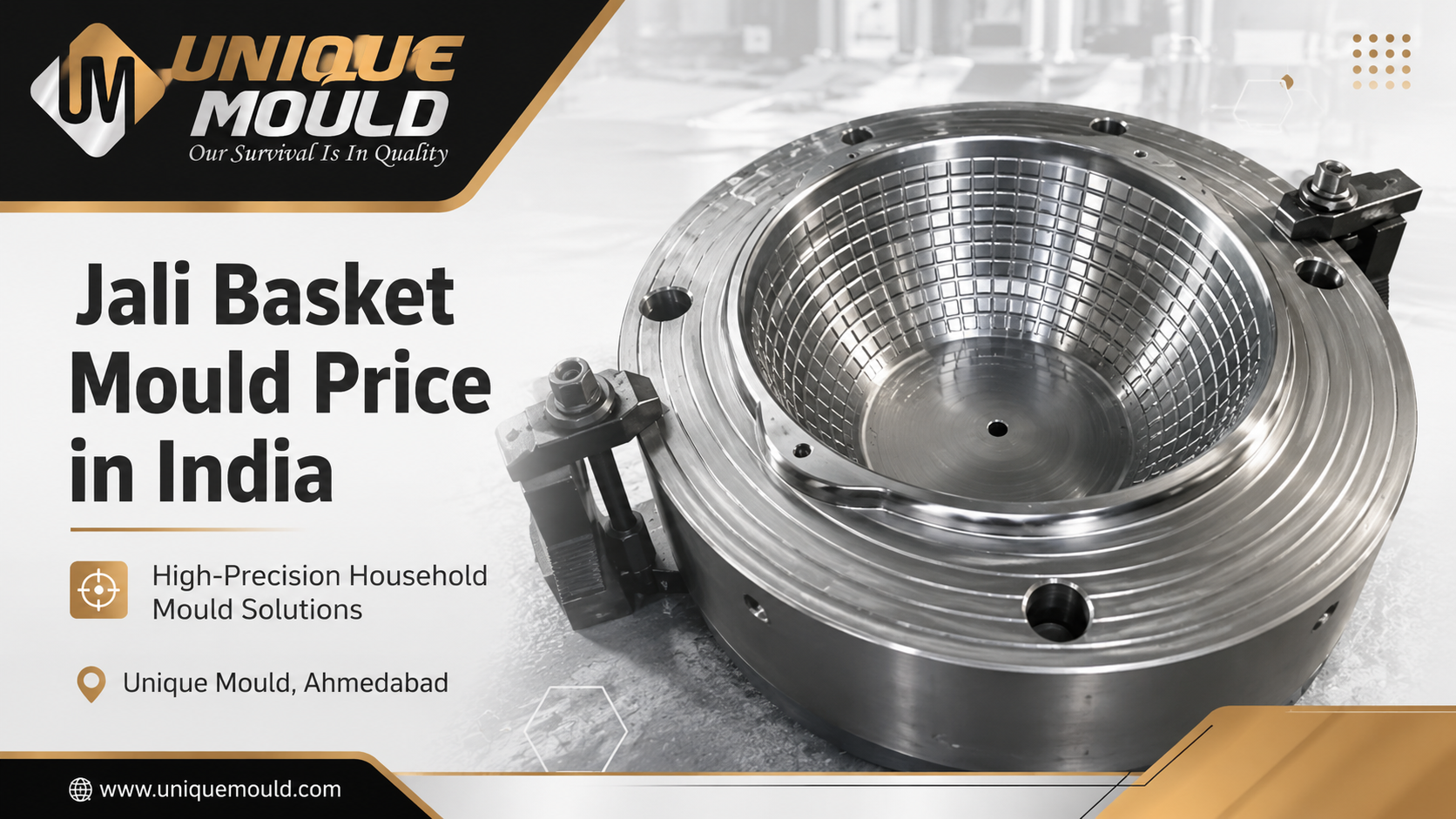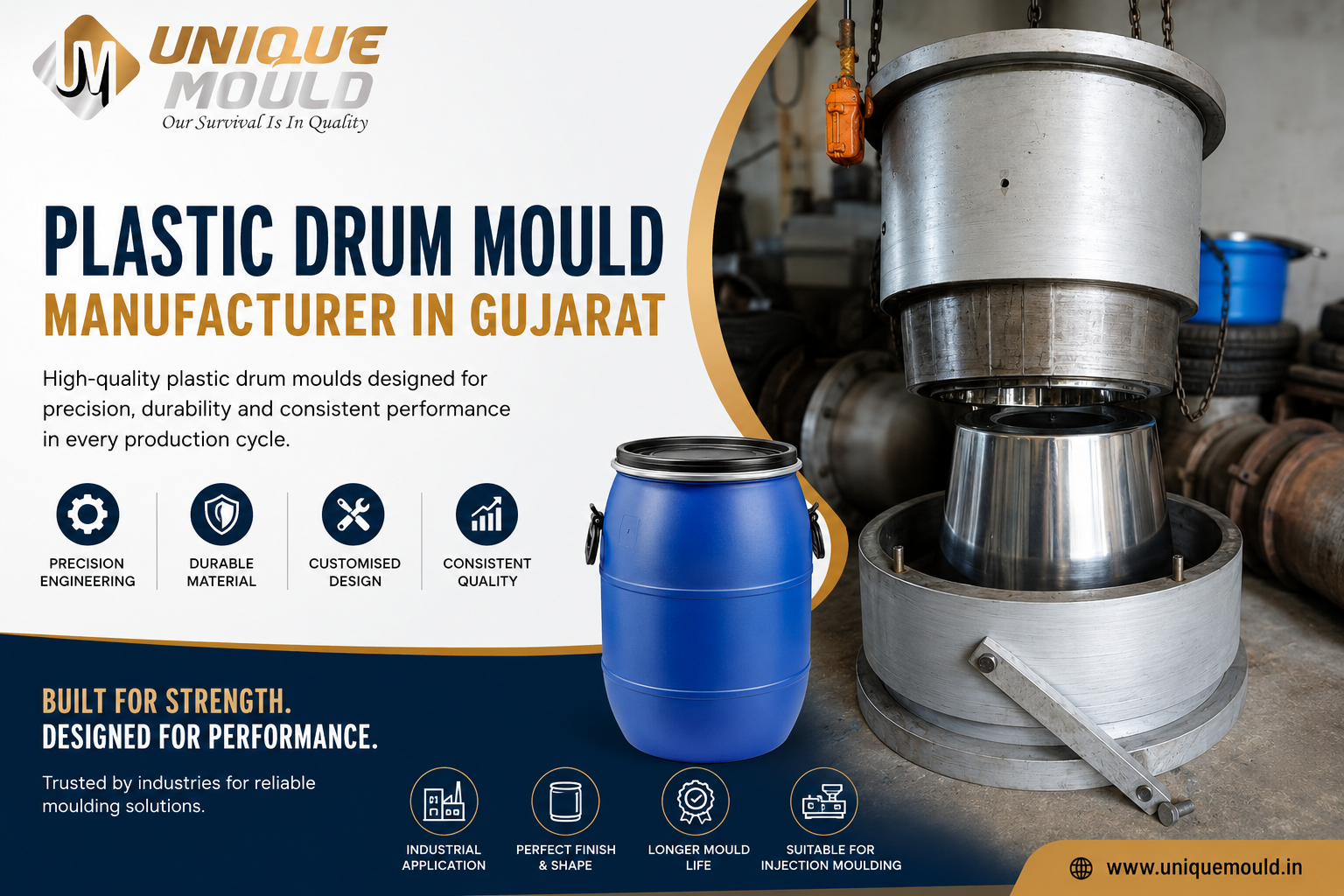
Plastic Mould Tooling
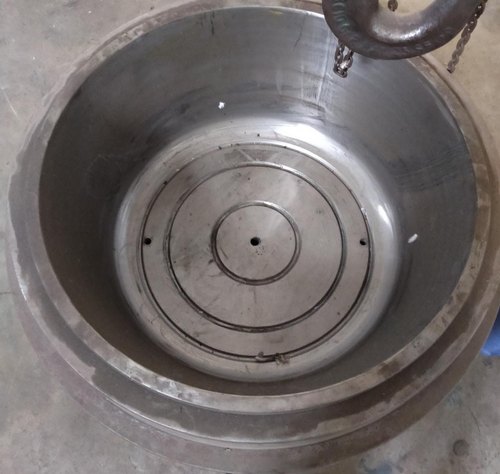
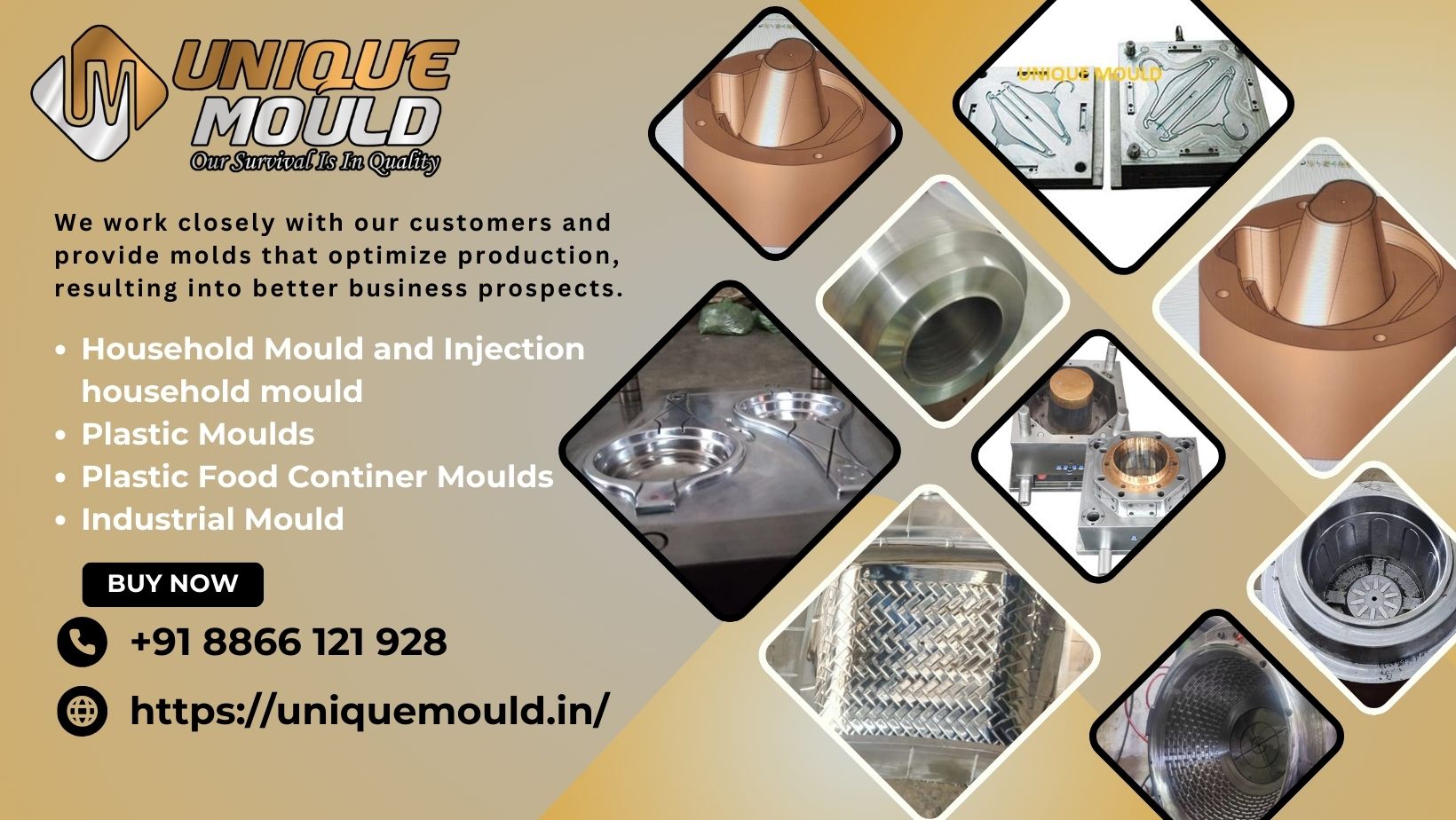
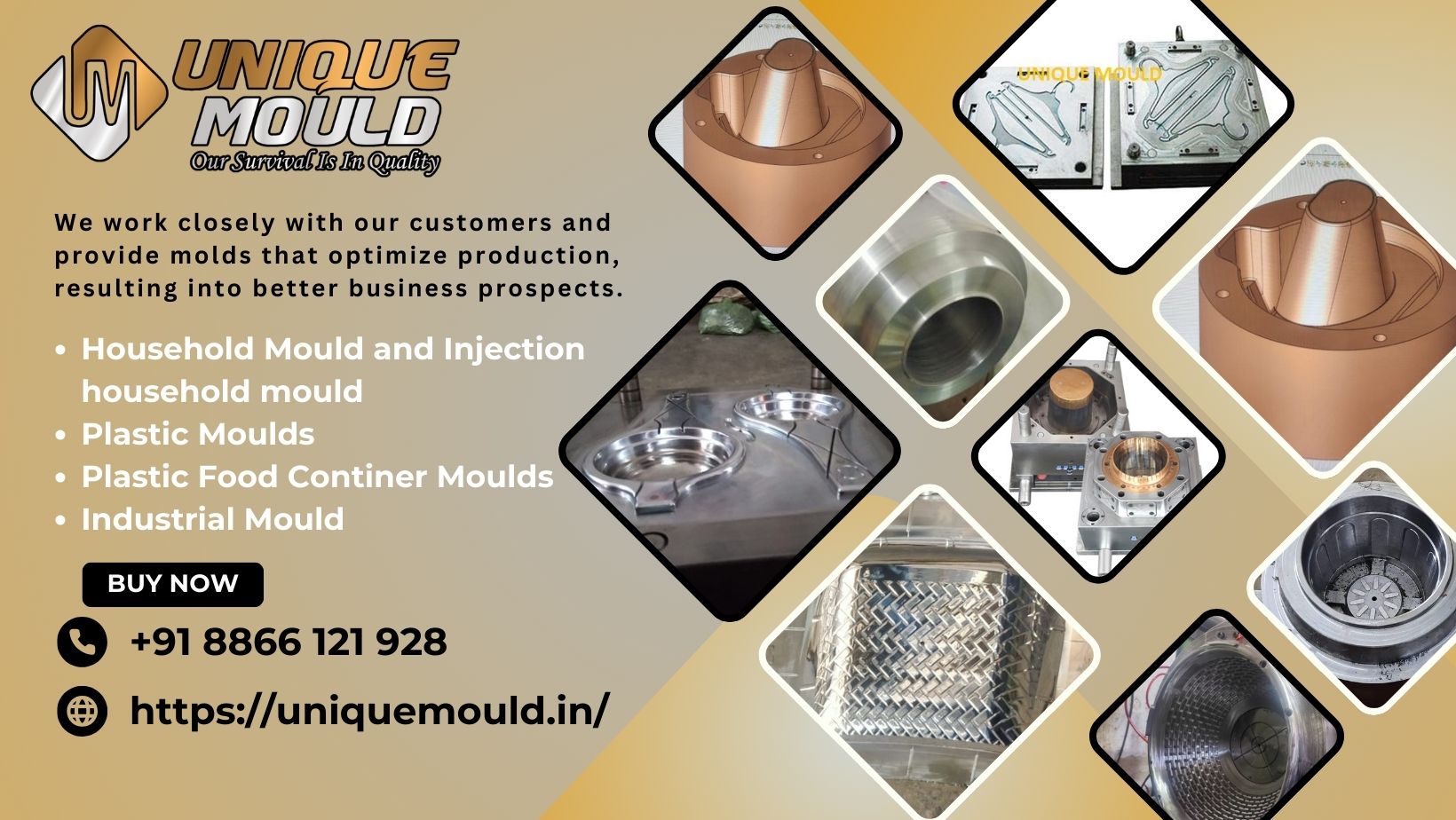
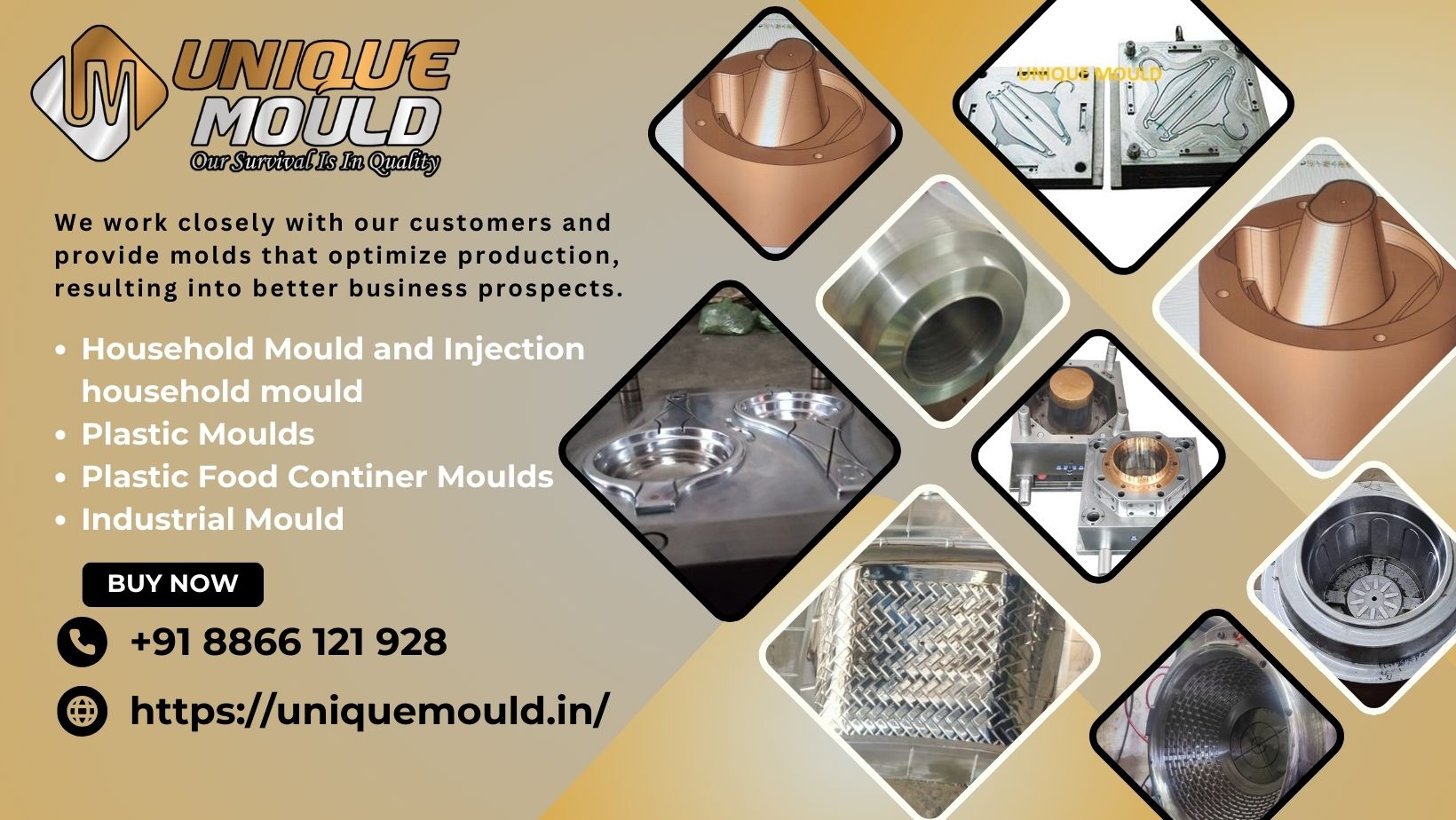
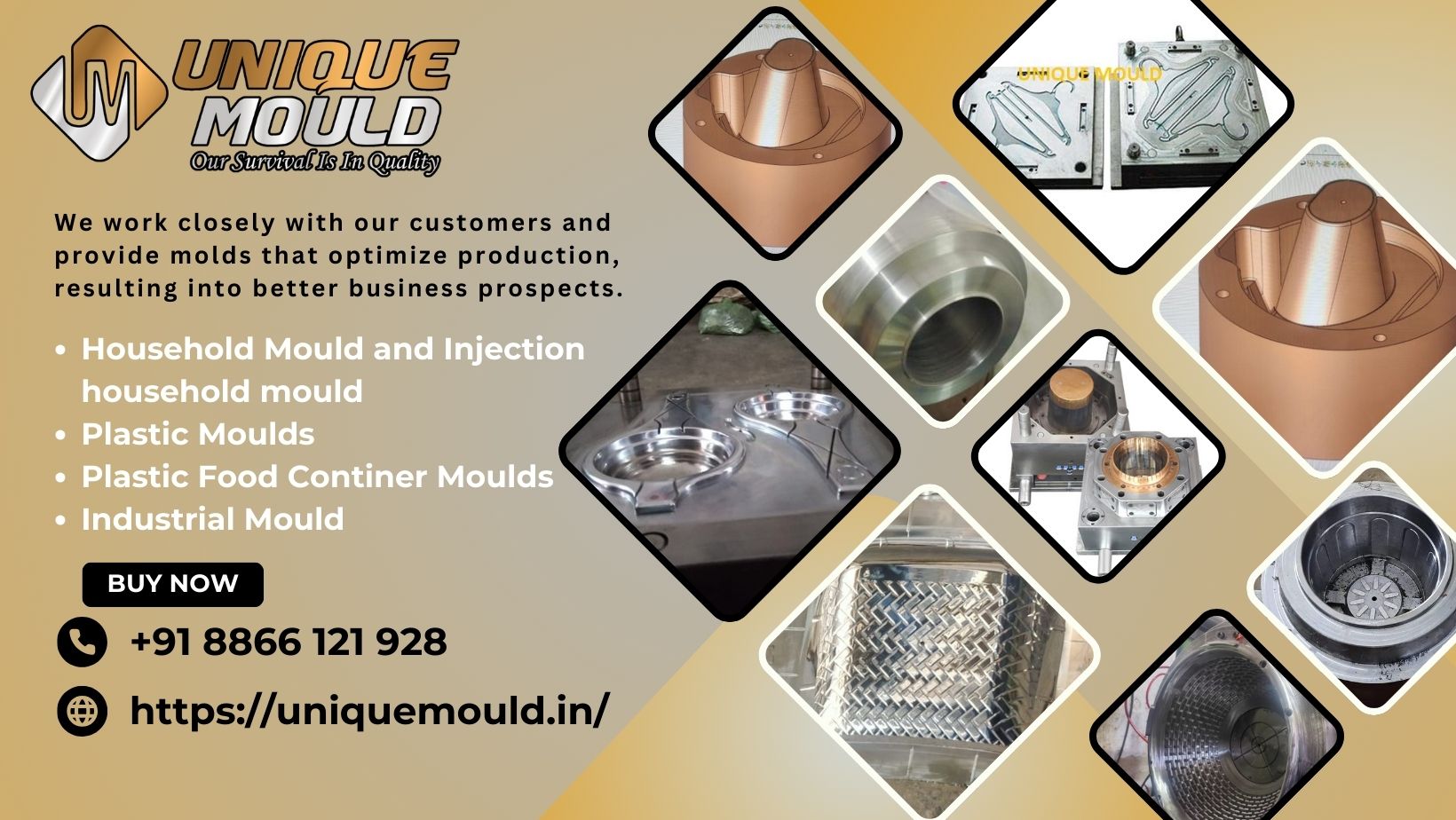
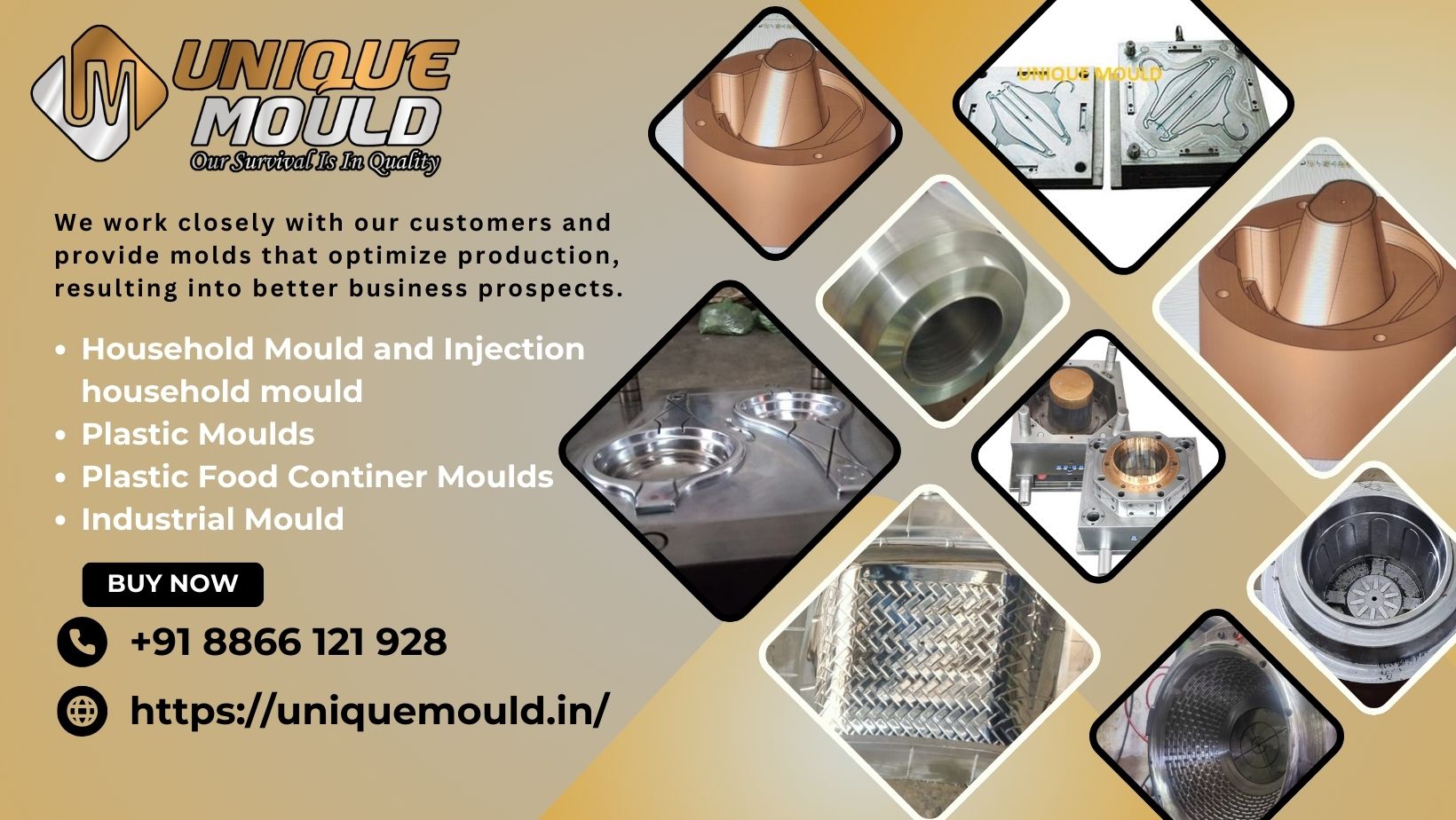
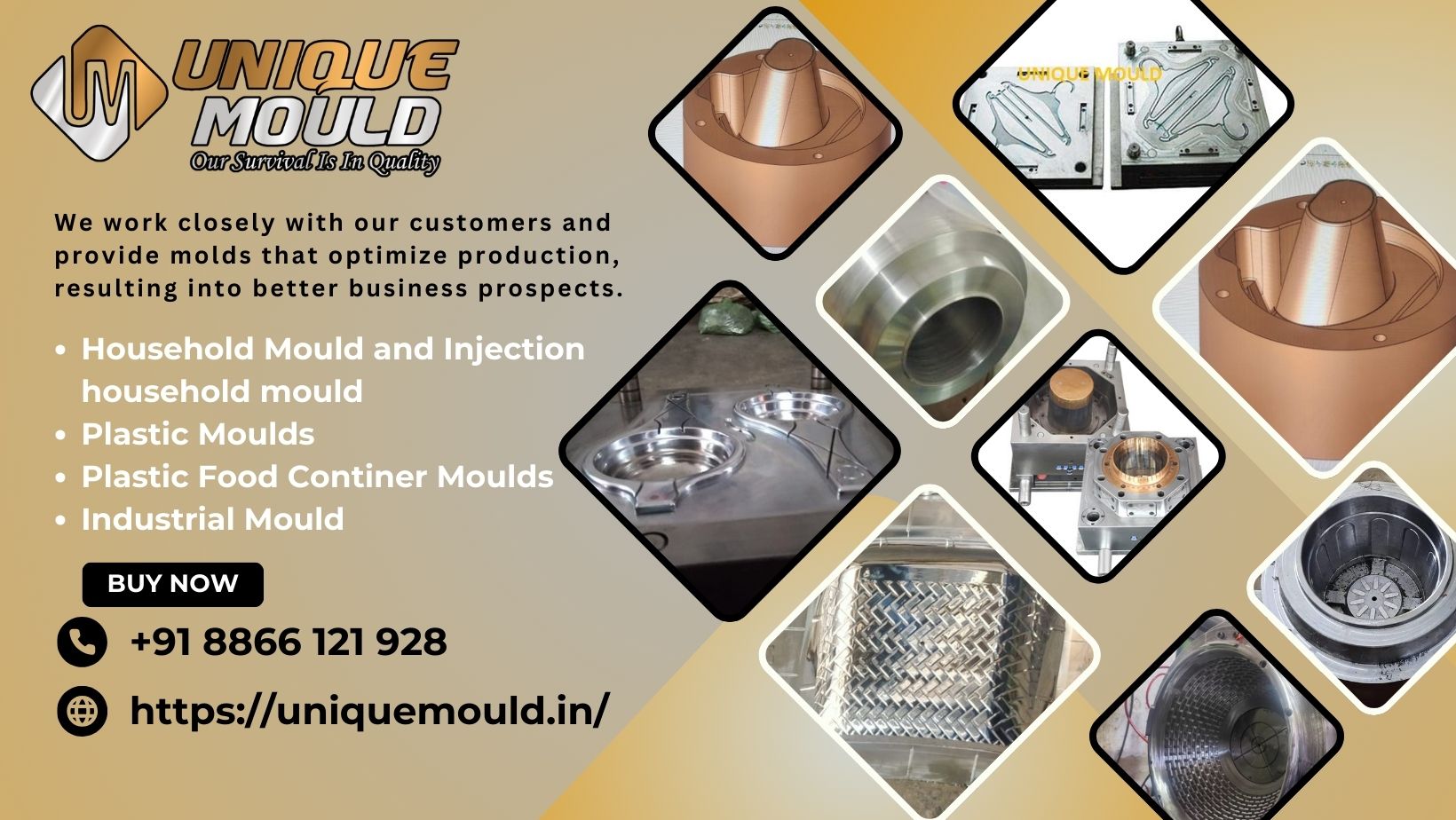
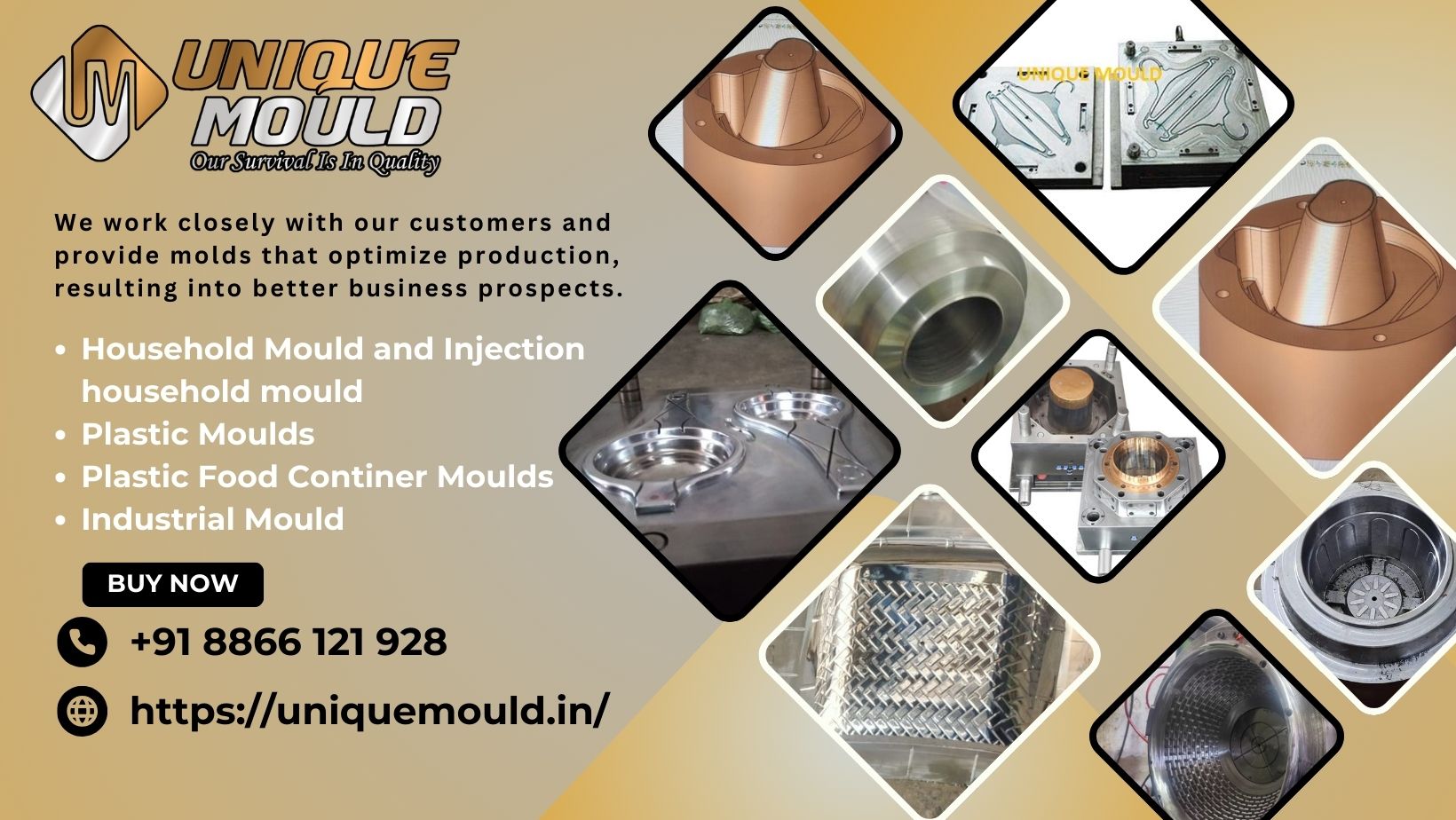
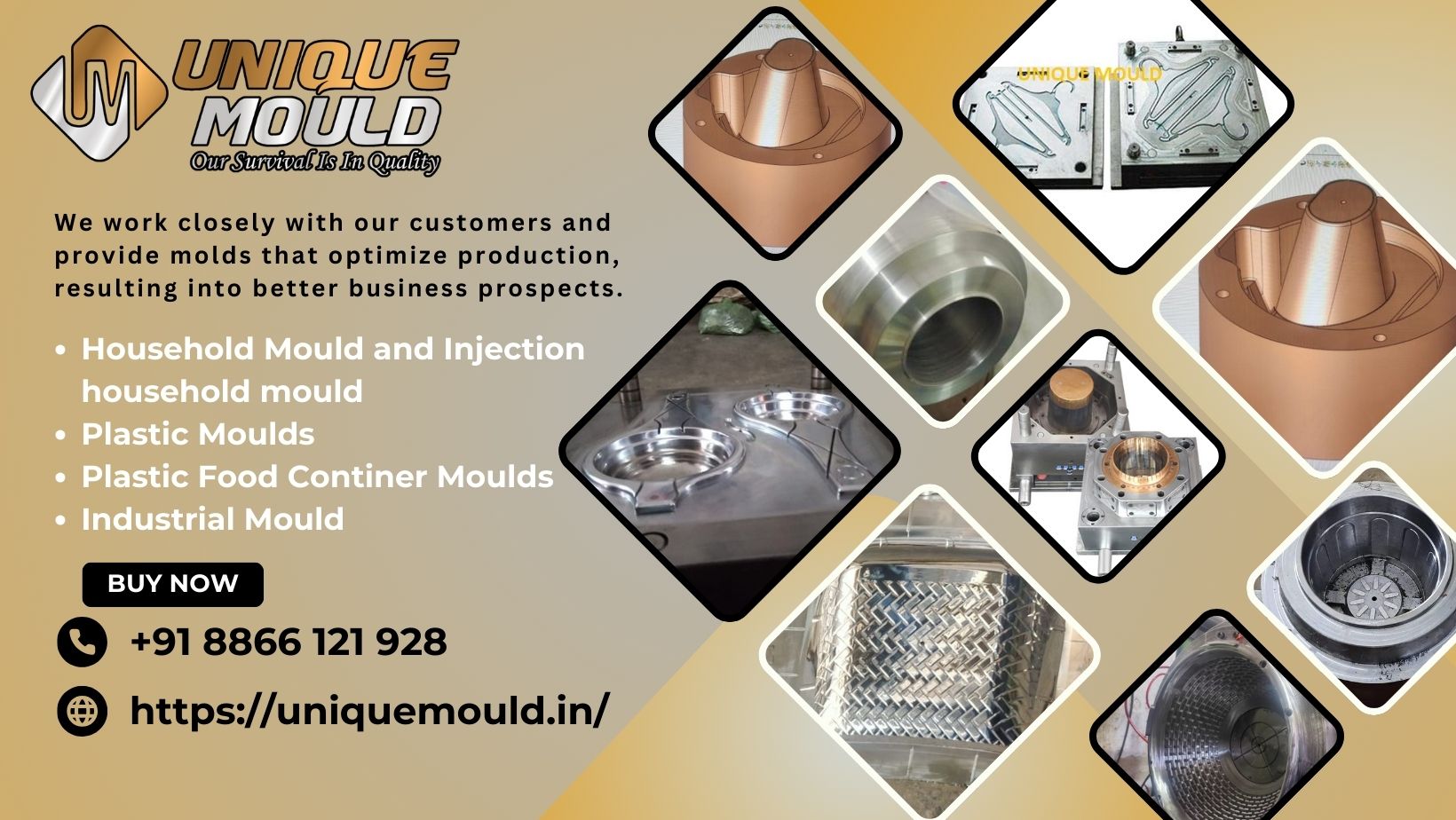
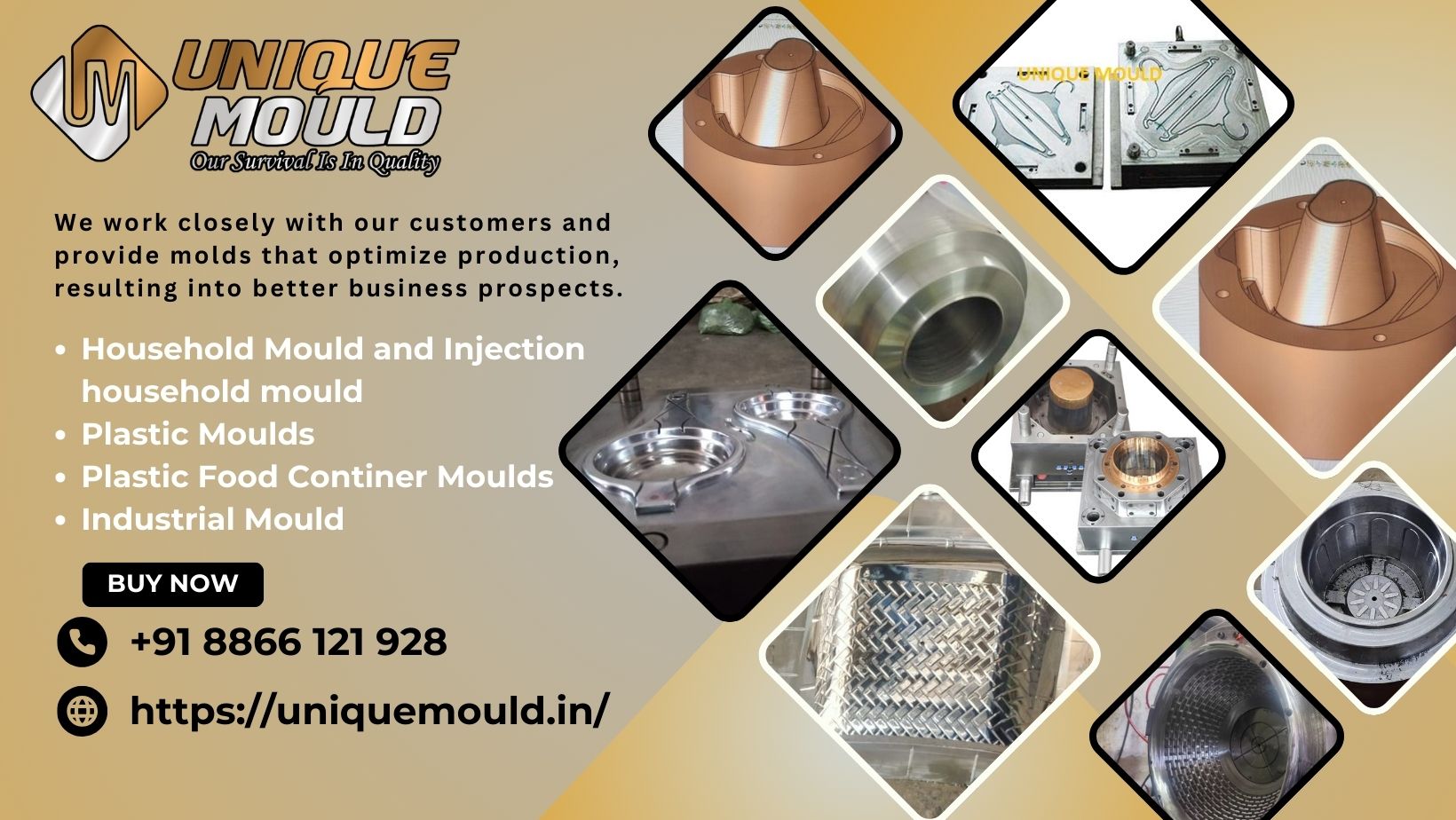
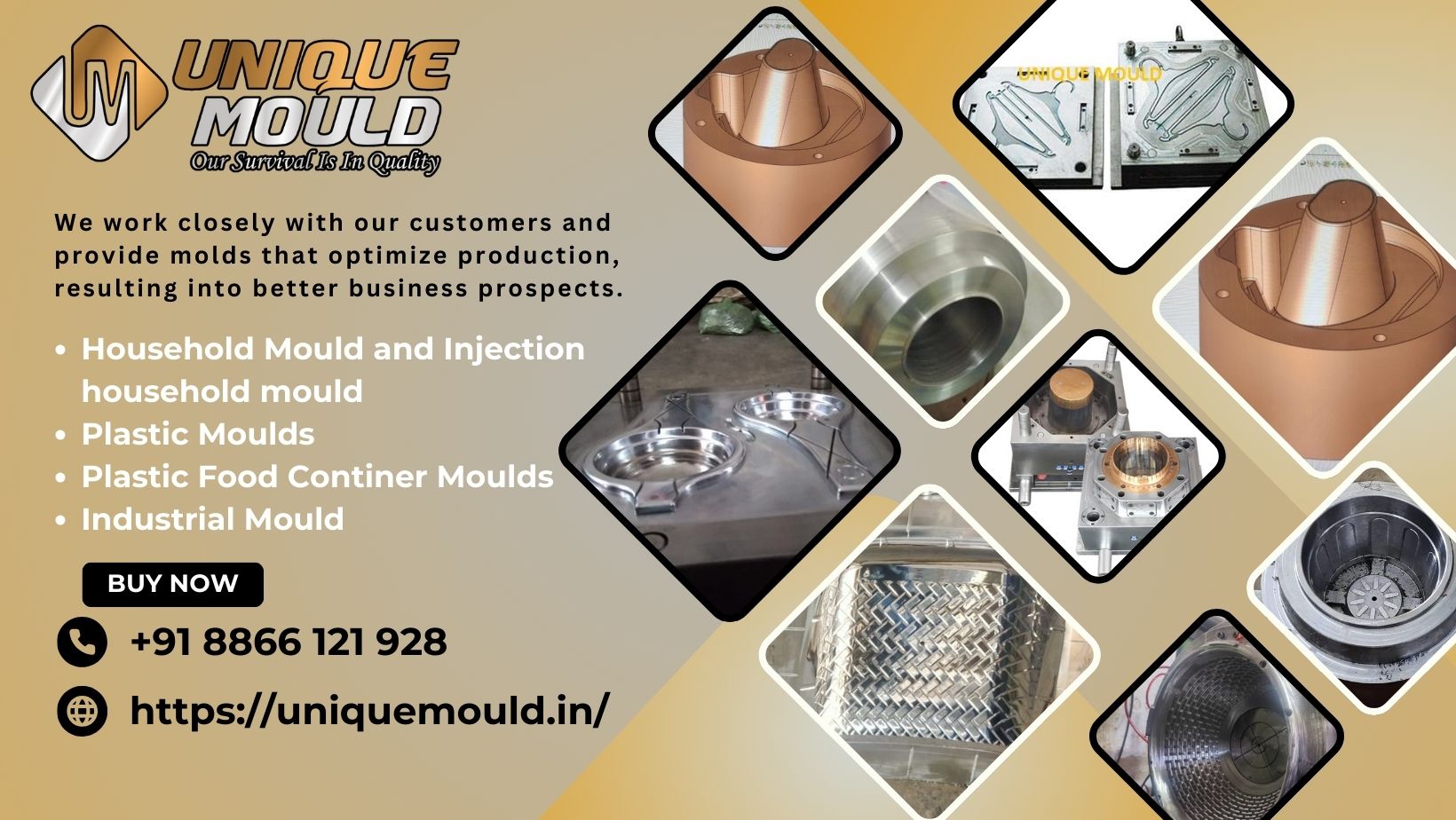
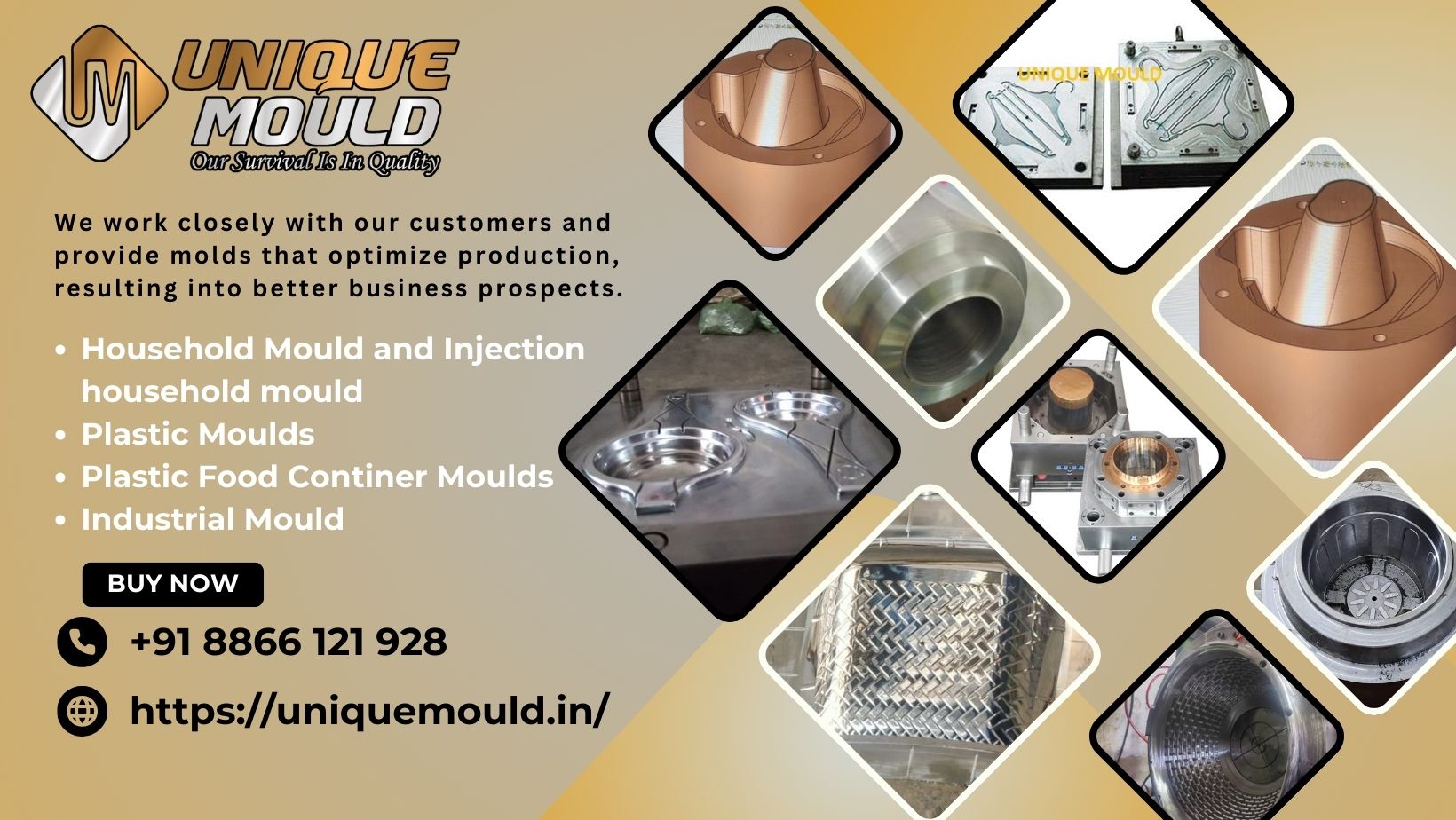
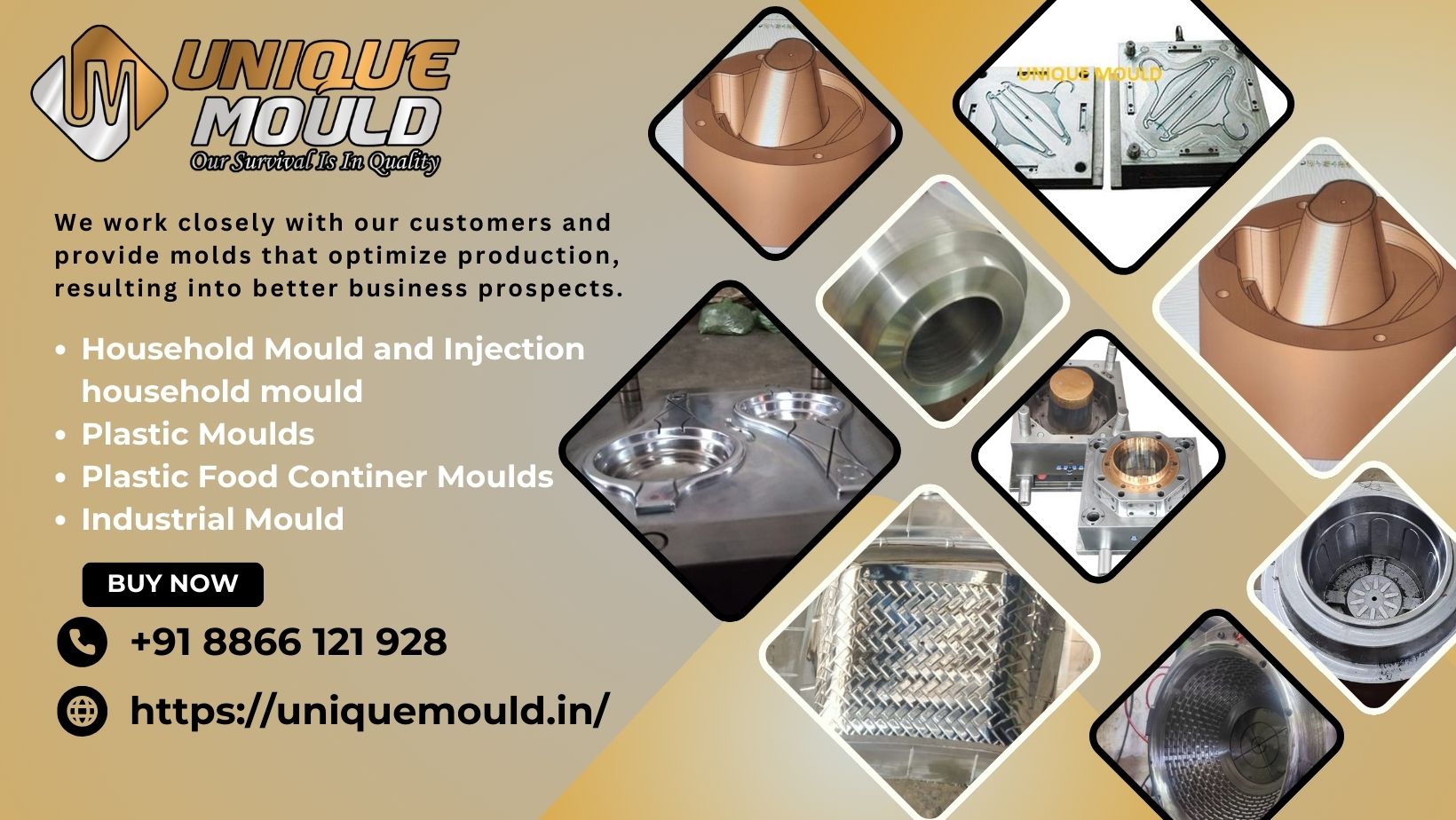
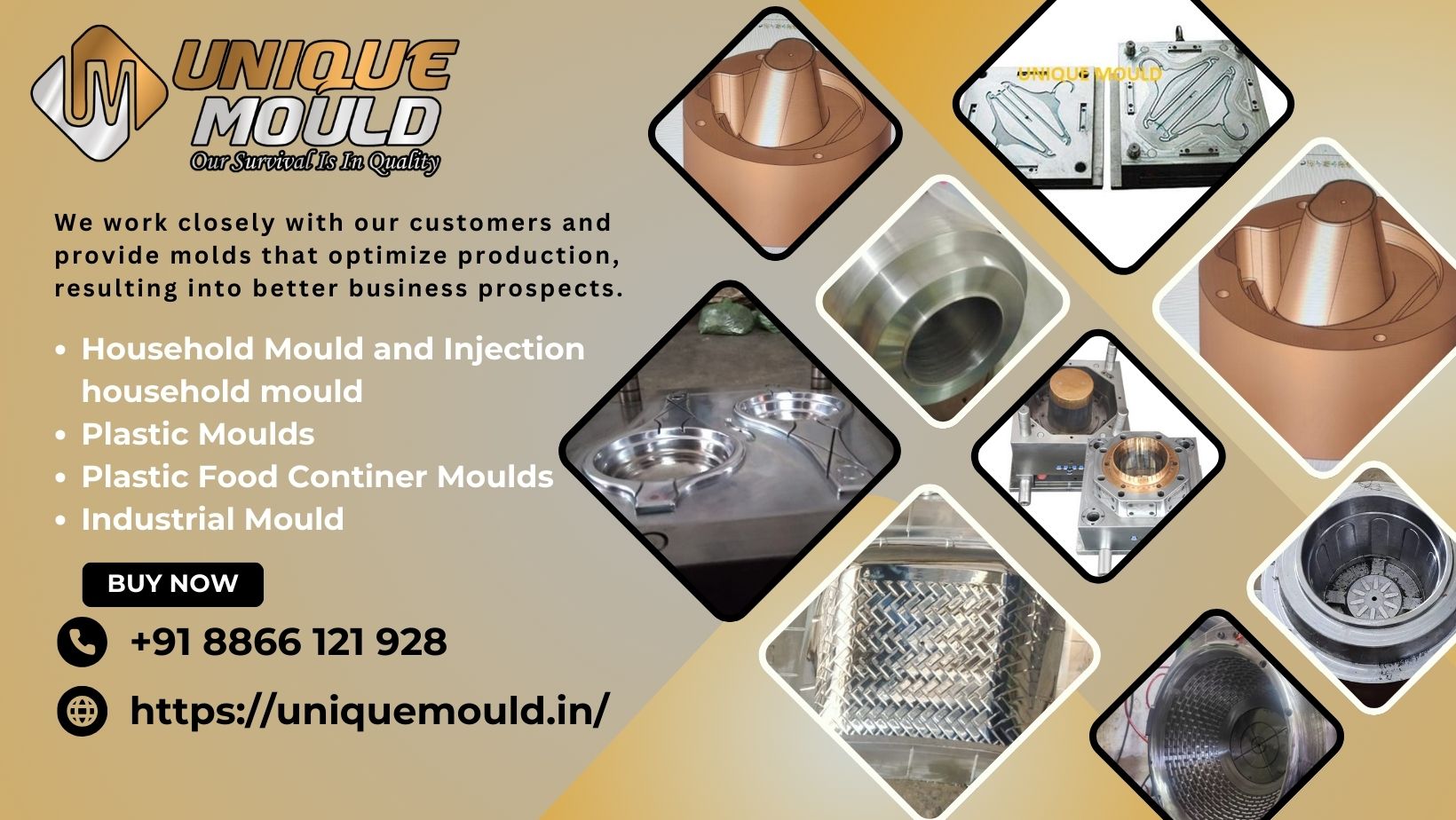
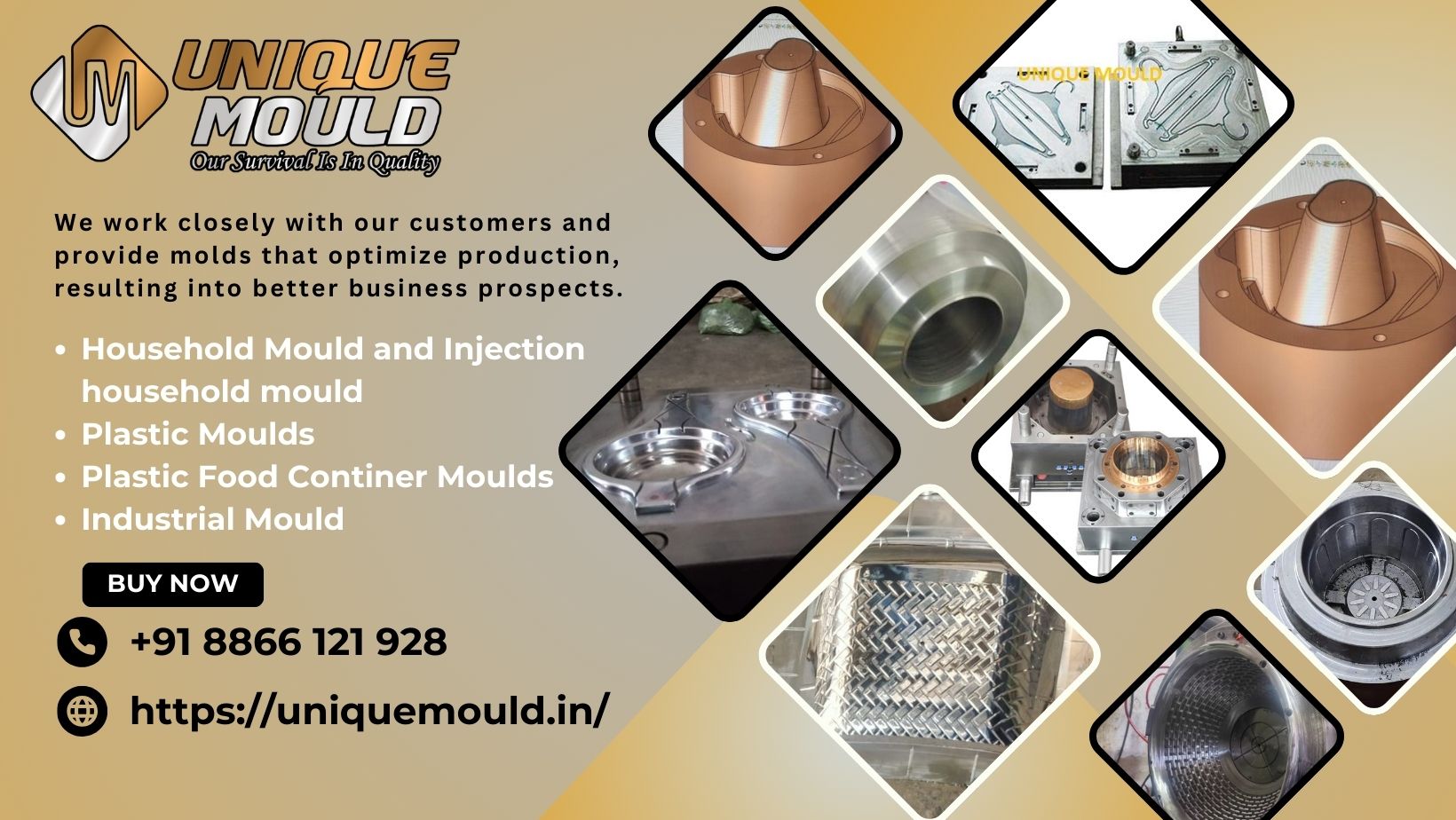
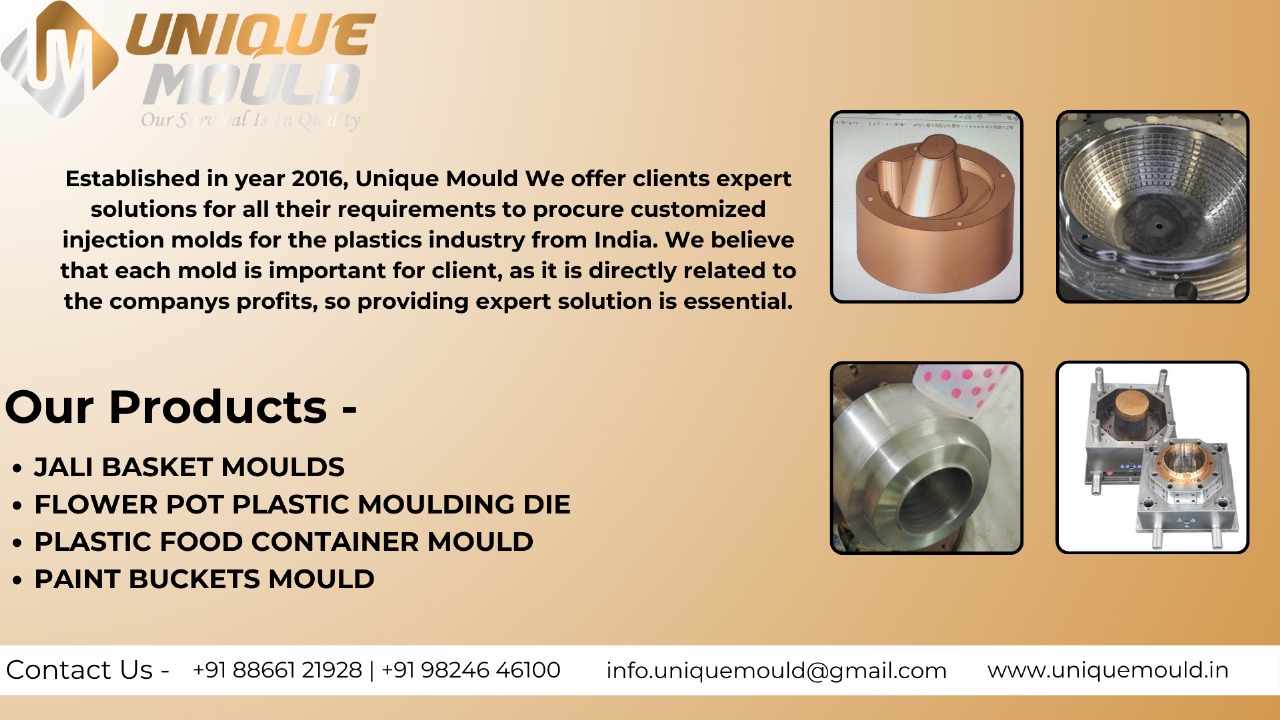
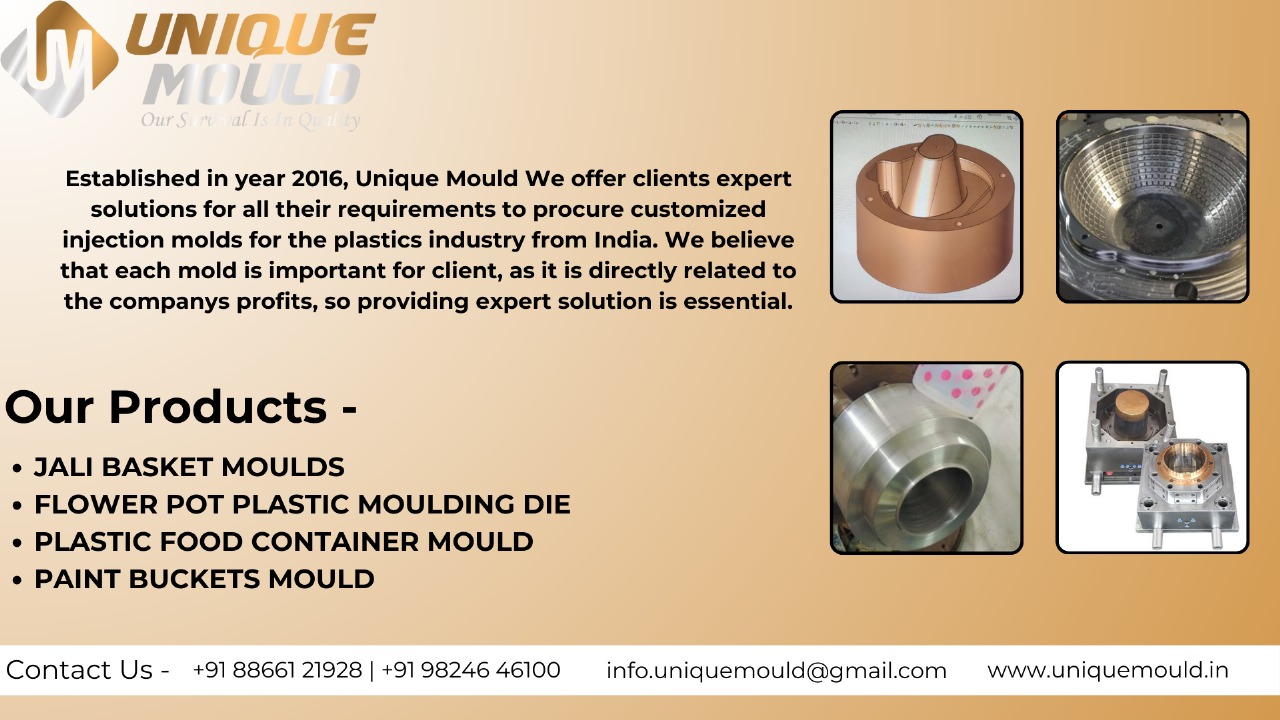
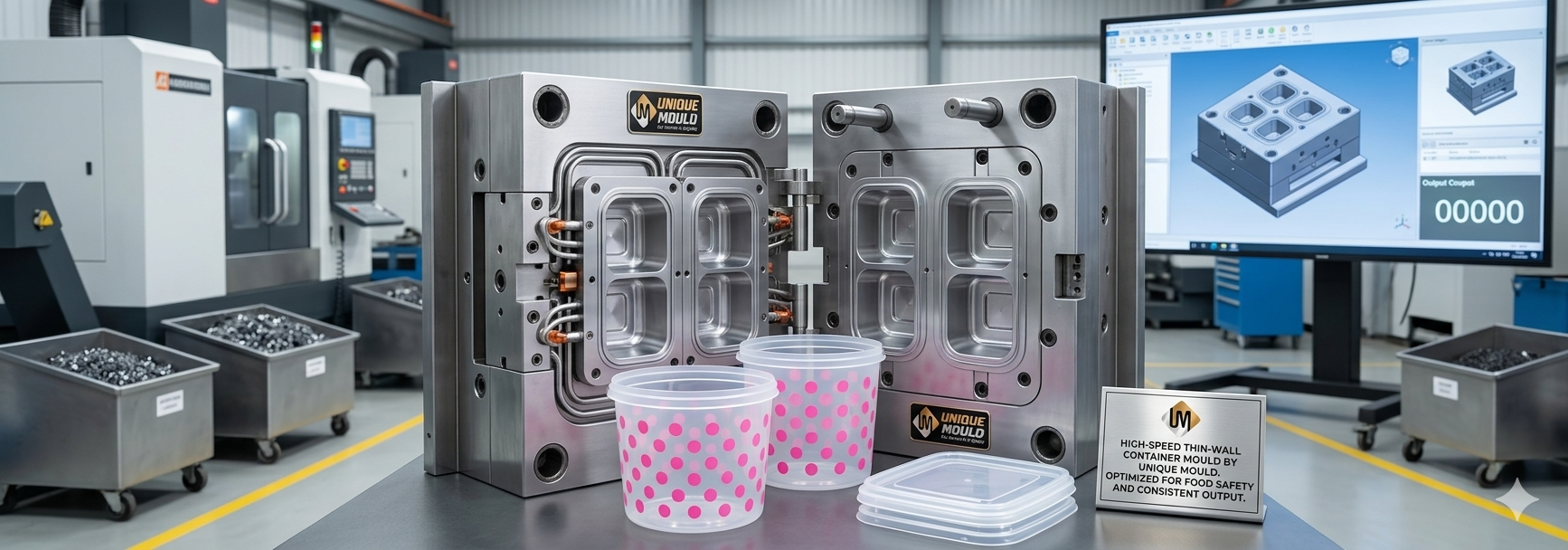
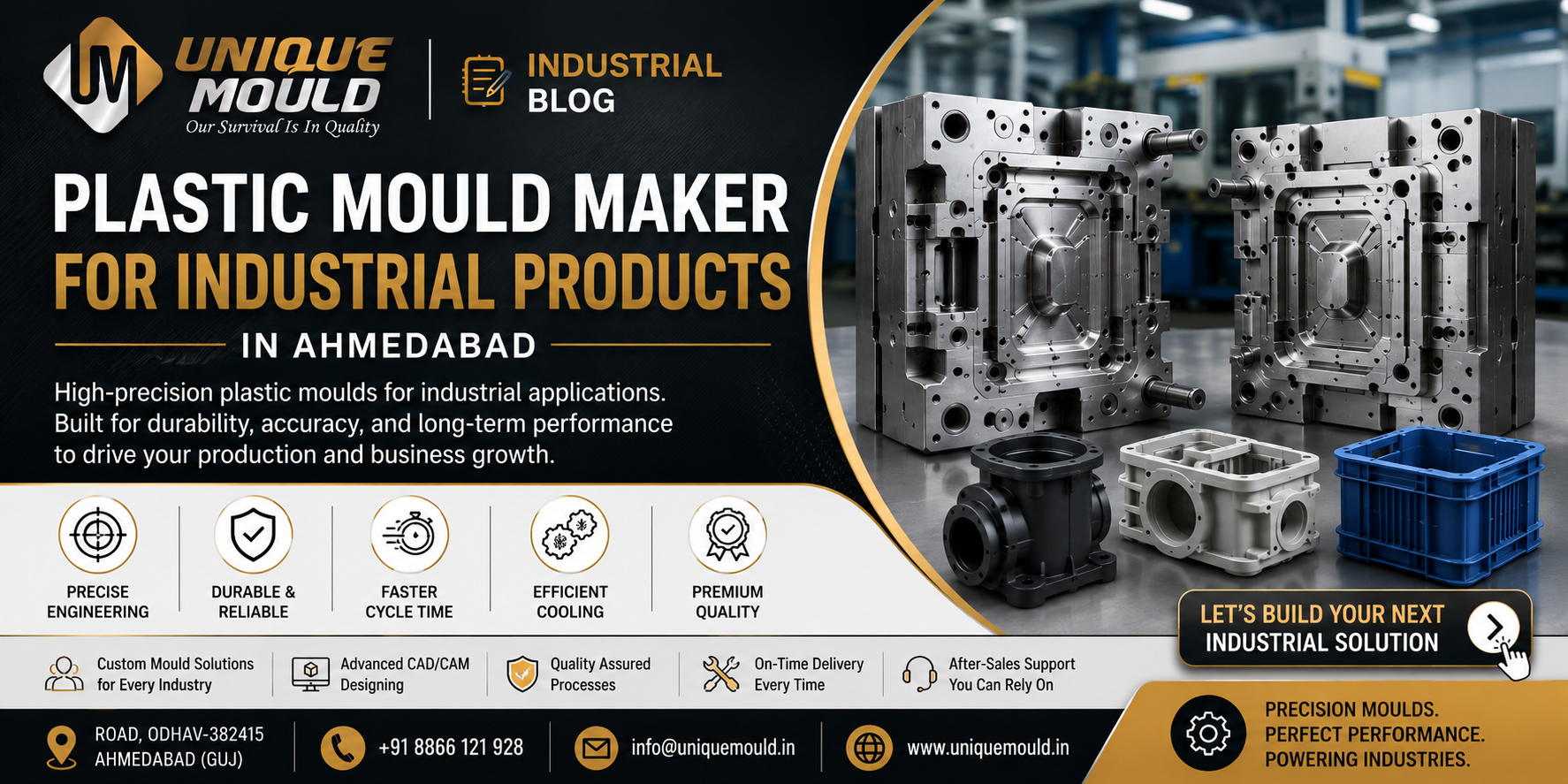
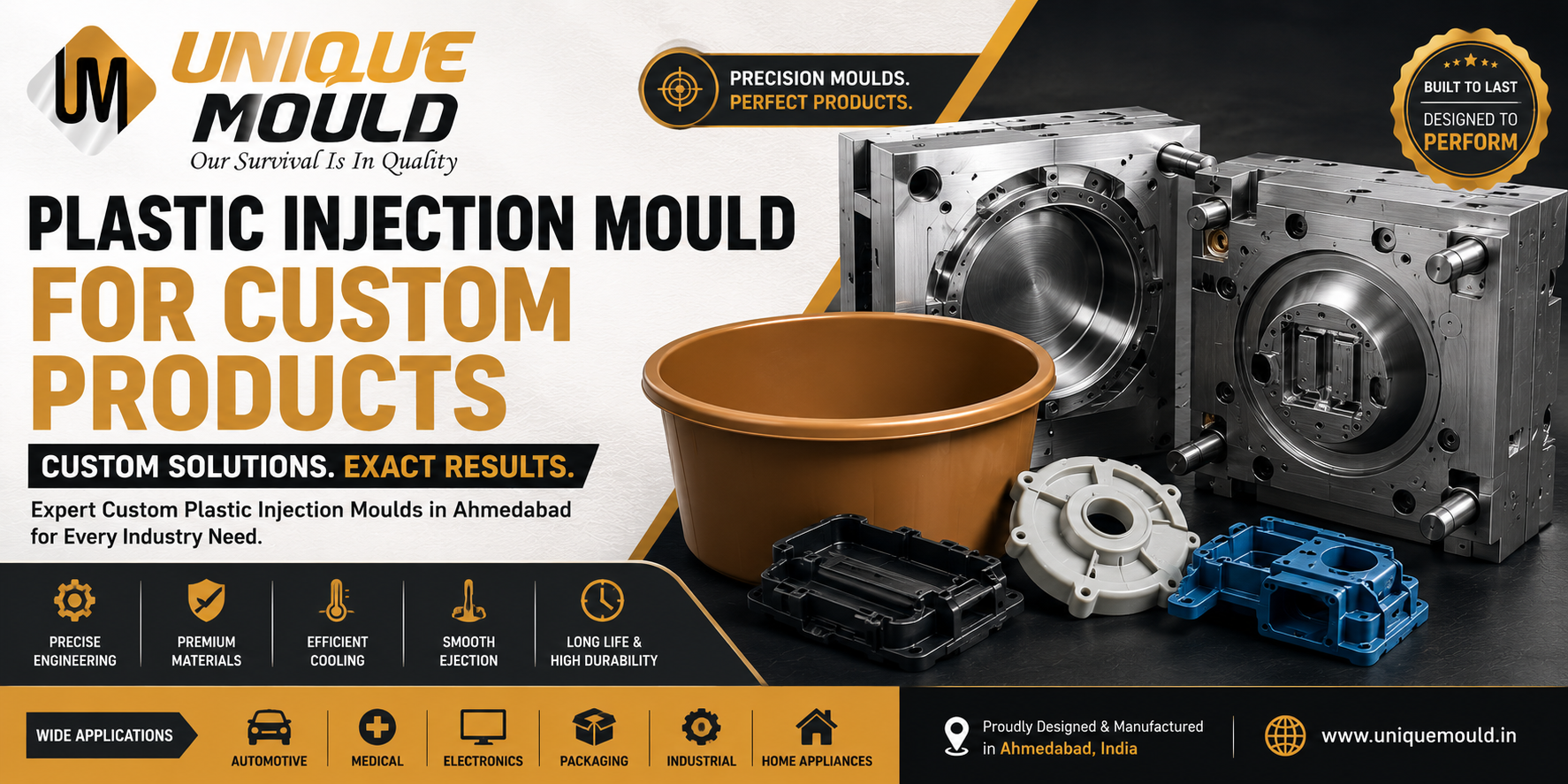
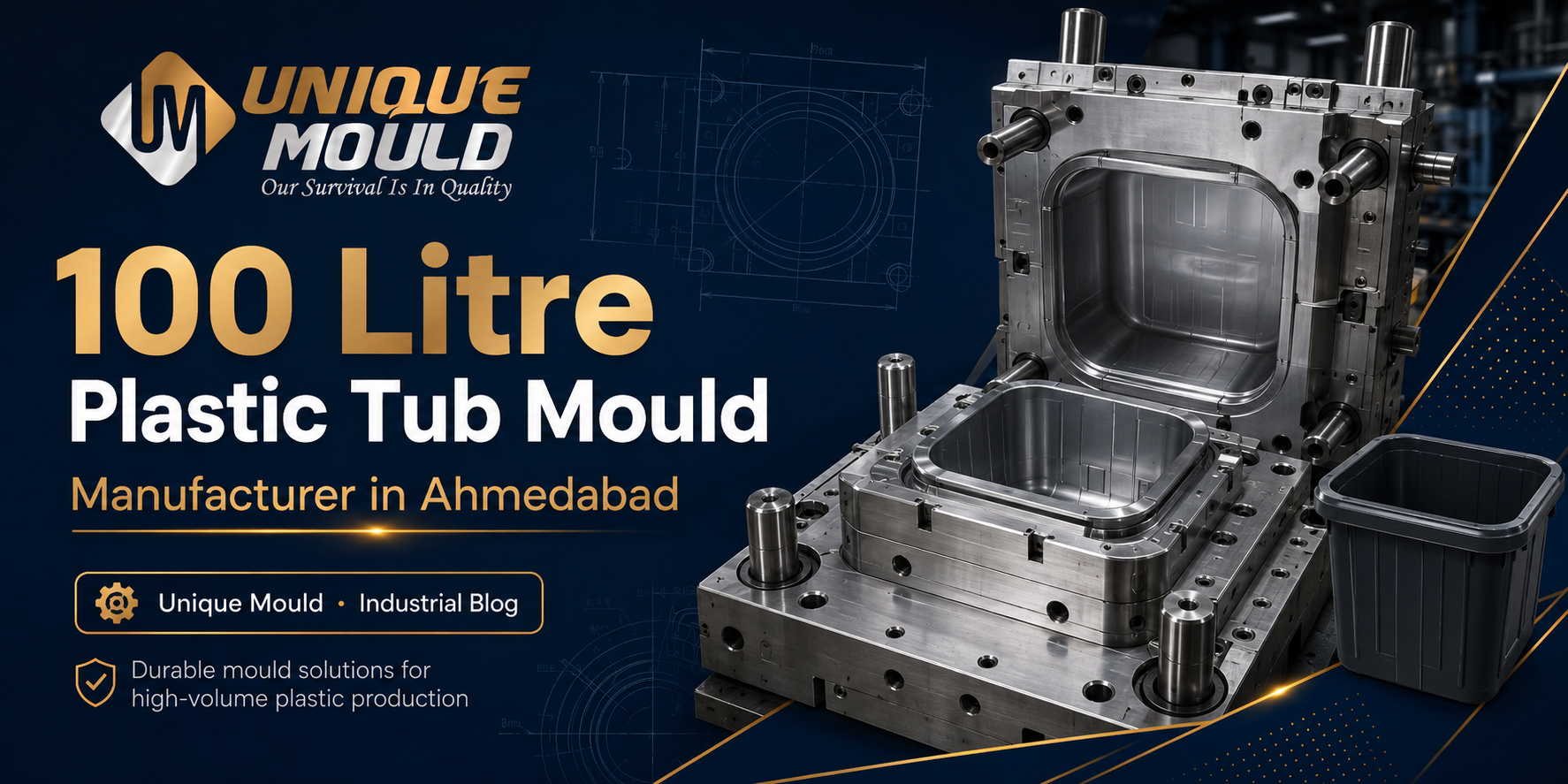
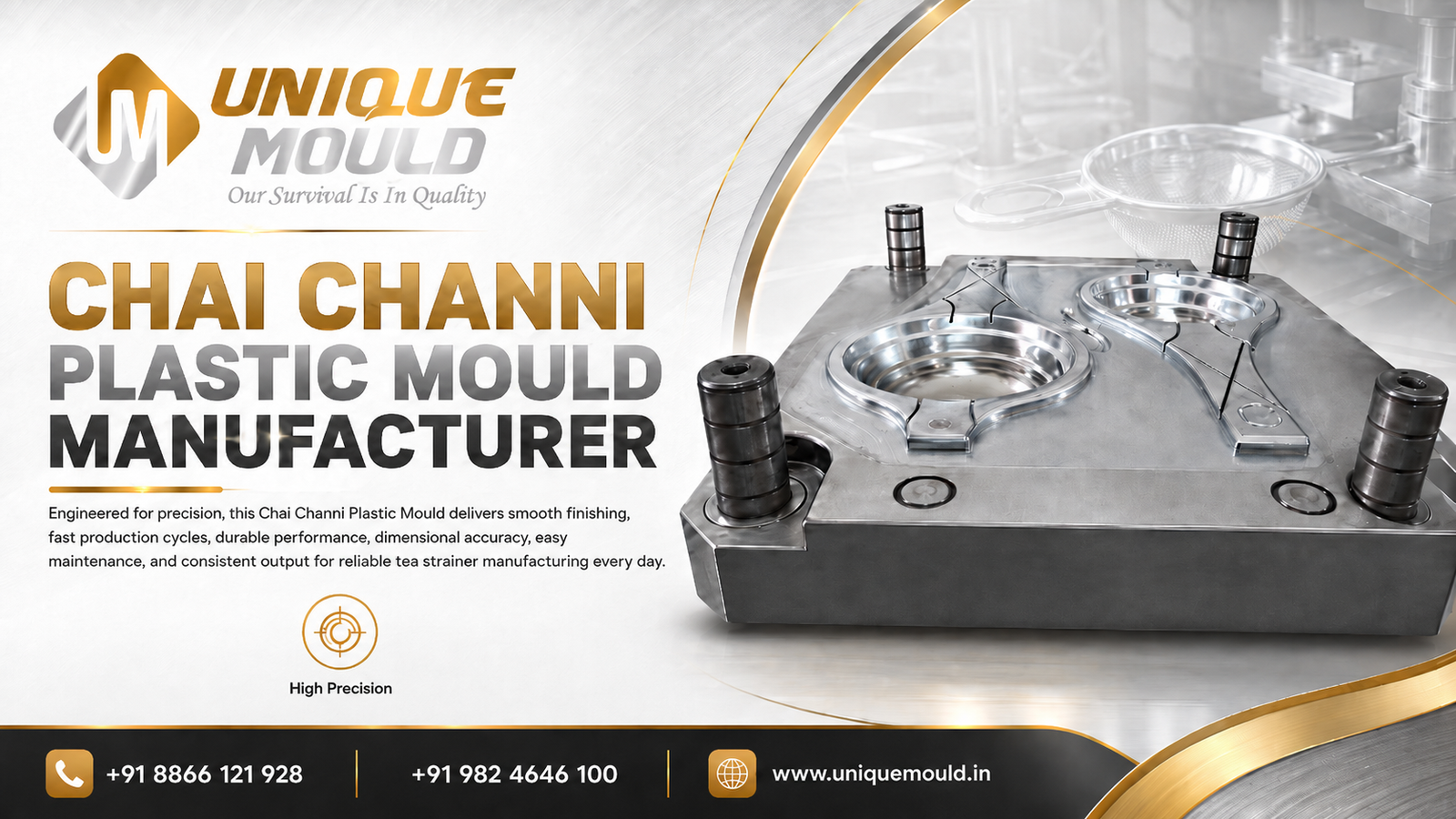
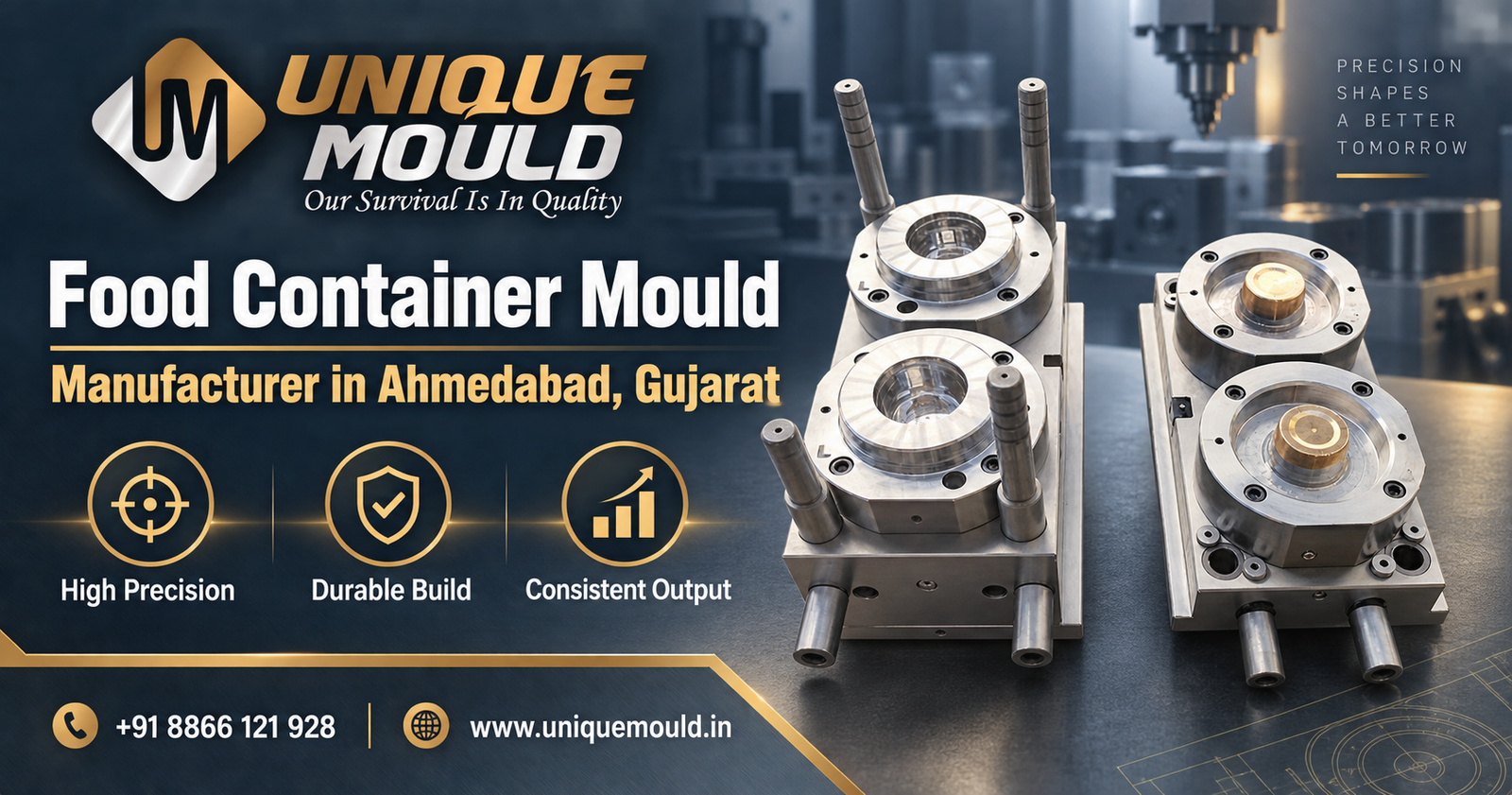
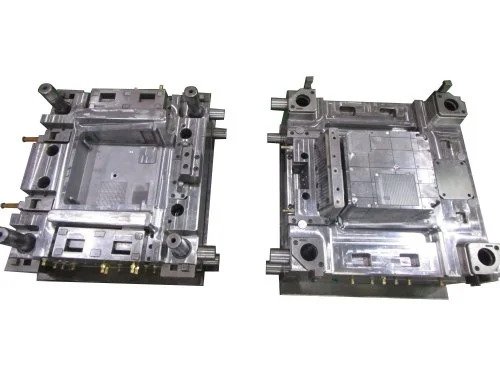
Plastic mould tooling is the foundation of repeatable, high-quality injection moulding production. A well-engineered tool controls part dimensions, surface finish, cycle time, and long-term consistency across batches. From consumer products and packaging components to industrial parts, tooling performance depends on correct cavity design, steel grade, heat treatment, cooling layout, and ejection strategy. With a process-driven approach, plastic mould tooling can reduce rejection, improve output stability, and maintain part quality even during high-volume manufacturing. The right tooling partner also supports trials, parameter recommendations, and preventive maintenance guidance so your mould remains production-ready for long runs.
How Plastic Mould Tooling Development Works
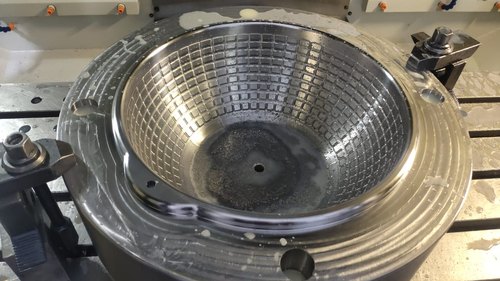
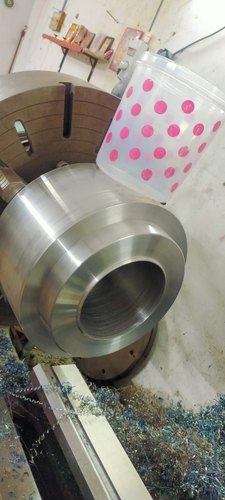
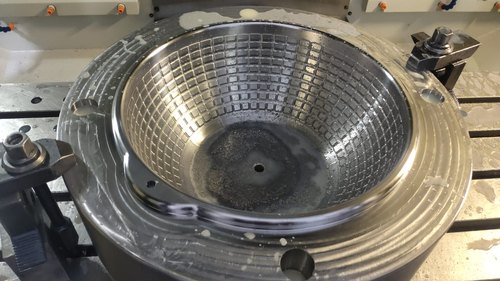
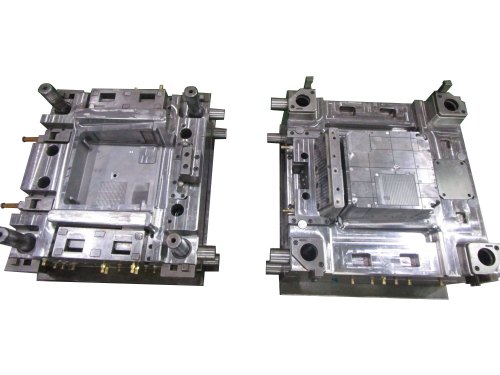
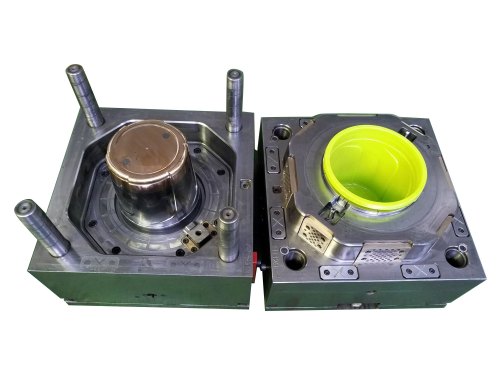
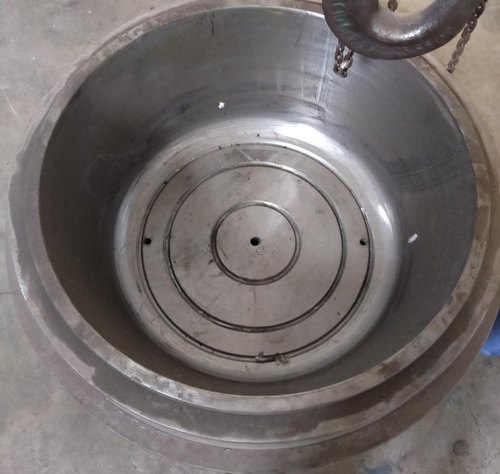
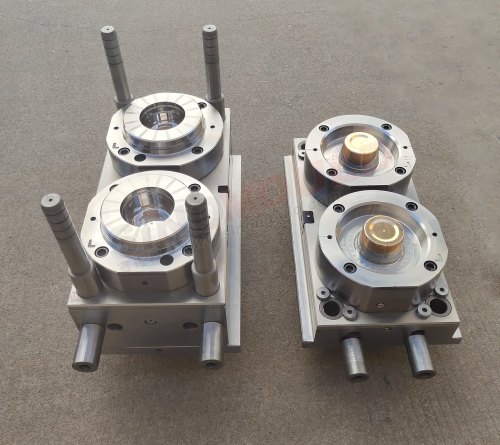
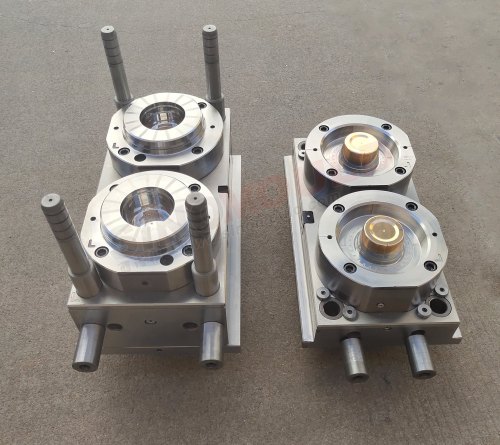
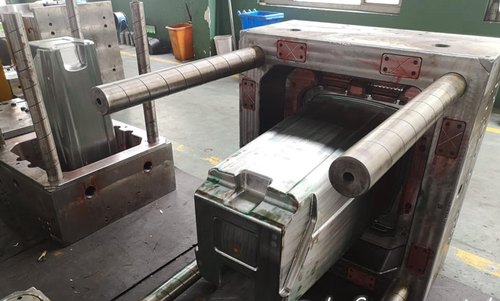
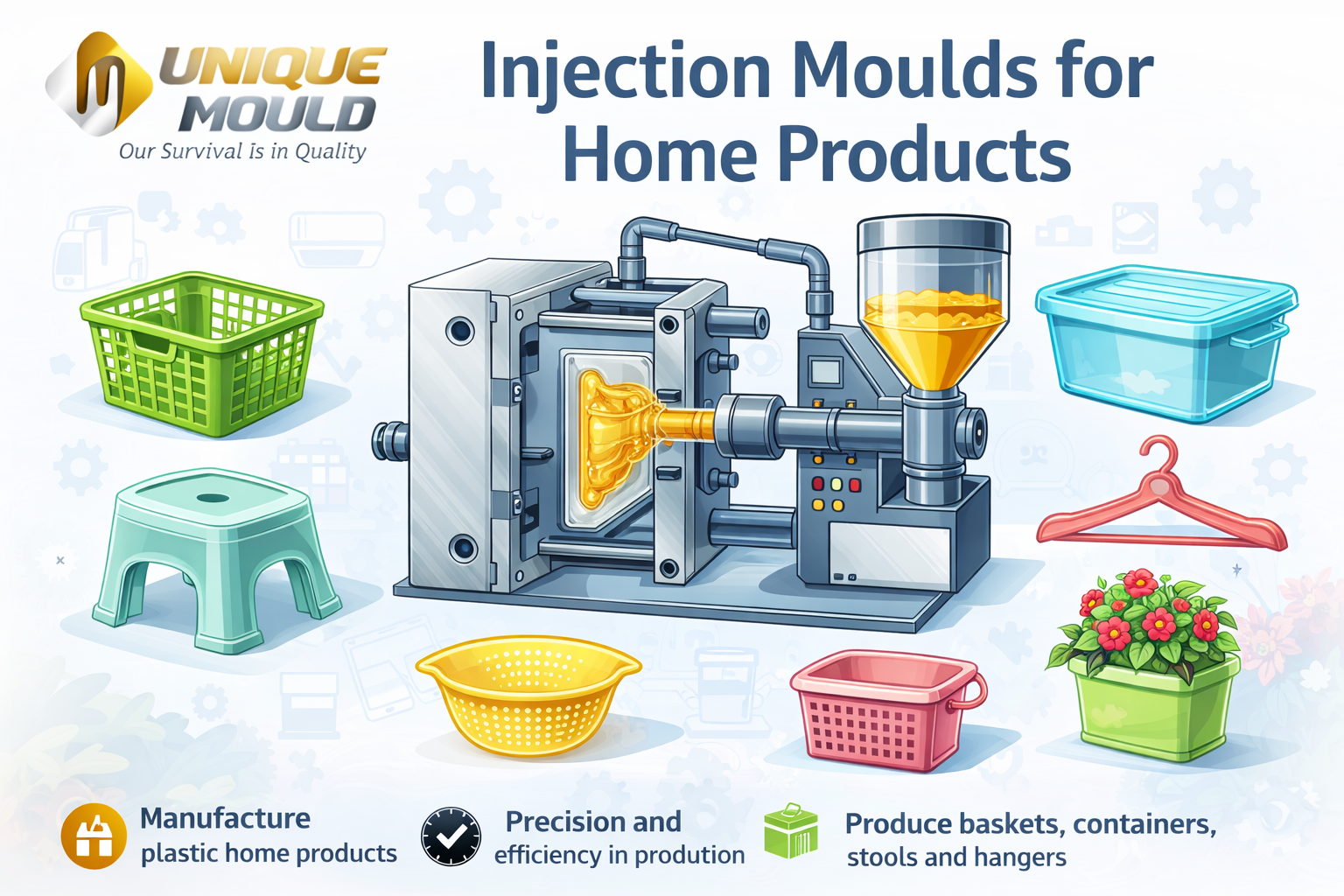
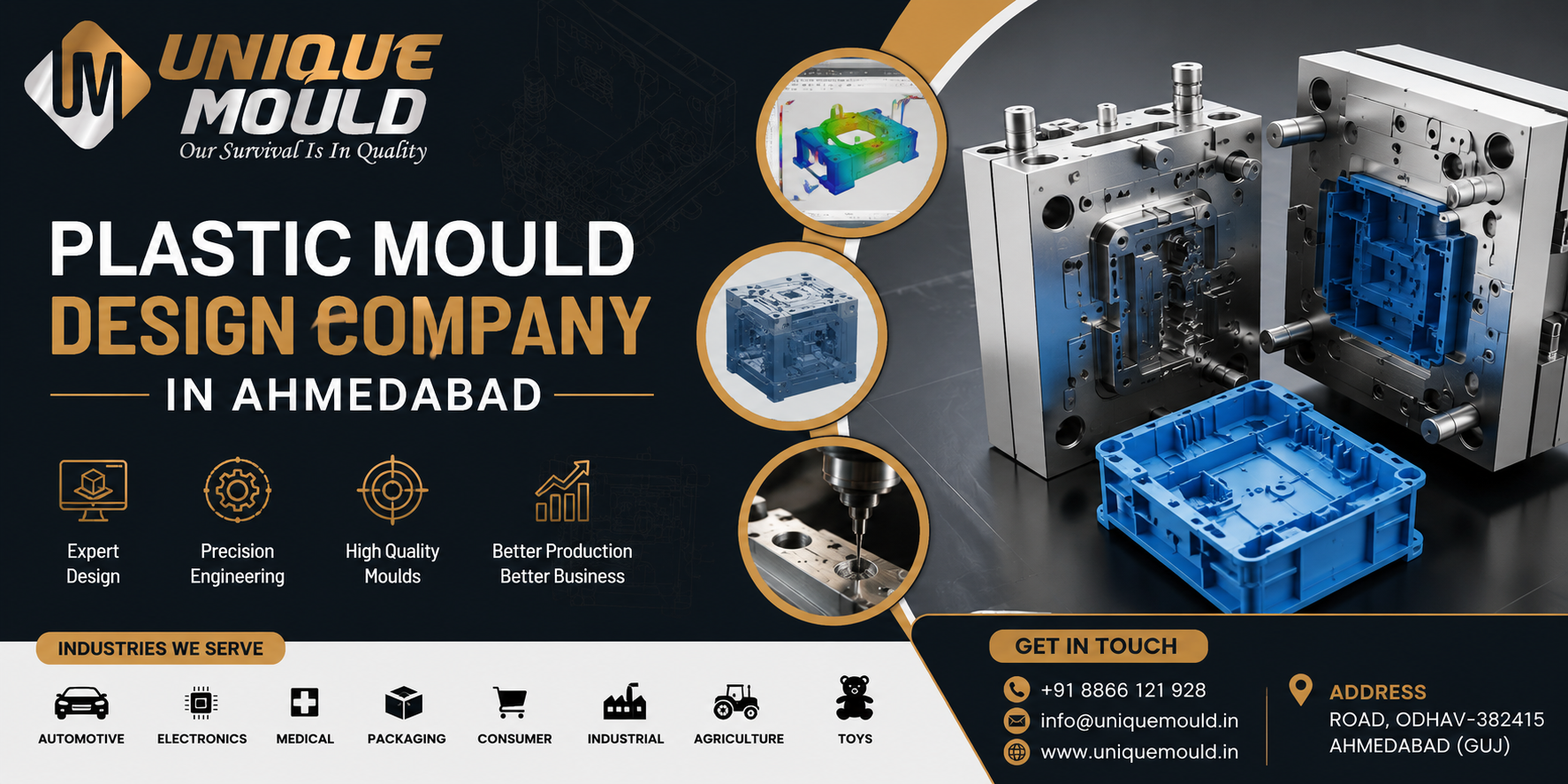
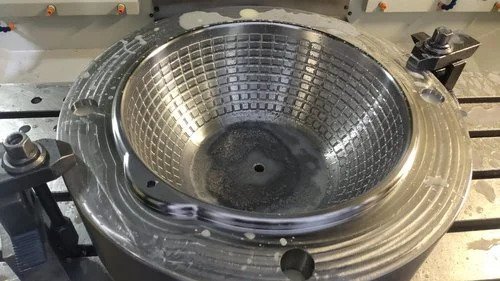
Tooling development begins with your part drawing or sample, resin selection, and output goals. The tooling team evaluates draft, wall thickness, ribs, gating, venting, and shrinkage allowances to ensure manufacturability. After design approval, core and cavity machining is executed using precision CNC and EDM where required, followed by polishing or texturing based on product finish needs. Cooling channels are positioned for uniform heat removal, while ejector pins, sleeves, and lifters are planned to release parts without marks or distortion. Trial runs validate fill balance, part weight consistency, cycle time, and dimensional stability before the tool is finalized for dispatch.
Plastic Mould Tooling Types We Support
- Single cavity tooling for sampling, validation, and controlled low-volume production.
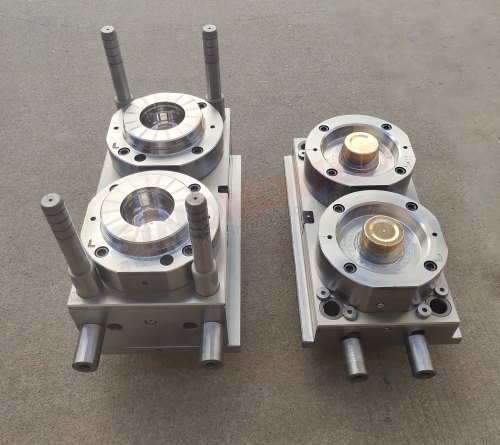
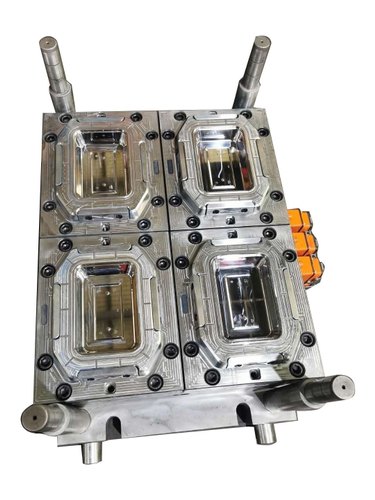
- Multi-cavity tooling engineered for high output and consistent part-to-part balance.
- Family mould tooling for related parts manufactured in one cycle with controlled filling.
- Insert mould tooling for metal inserts and functional assemblies with strong retention.
- Hot runner and cold runner tooling options aligned to scrap control and cycle efficiency.
Key Features That Define High-Performance Tooling
- Correct gate and runner design for uniform filling and reduced sink or warpage risk.
- Optimized cooling layout to maintain stable cycle time and consistent dimensions.
- Precision alignment to protect cavity edges and maintain long-term part repeatability.
- Wear-resistant components and proper heat treatment for extended mould life.
- Reliable ejection planning to reduce marks, sticking, and deformation during release.
Applications of Plastic Mould Tooling
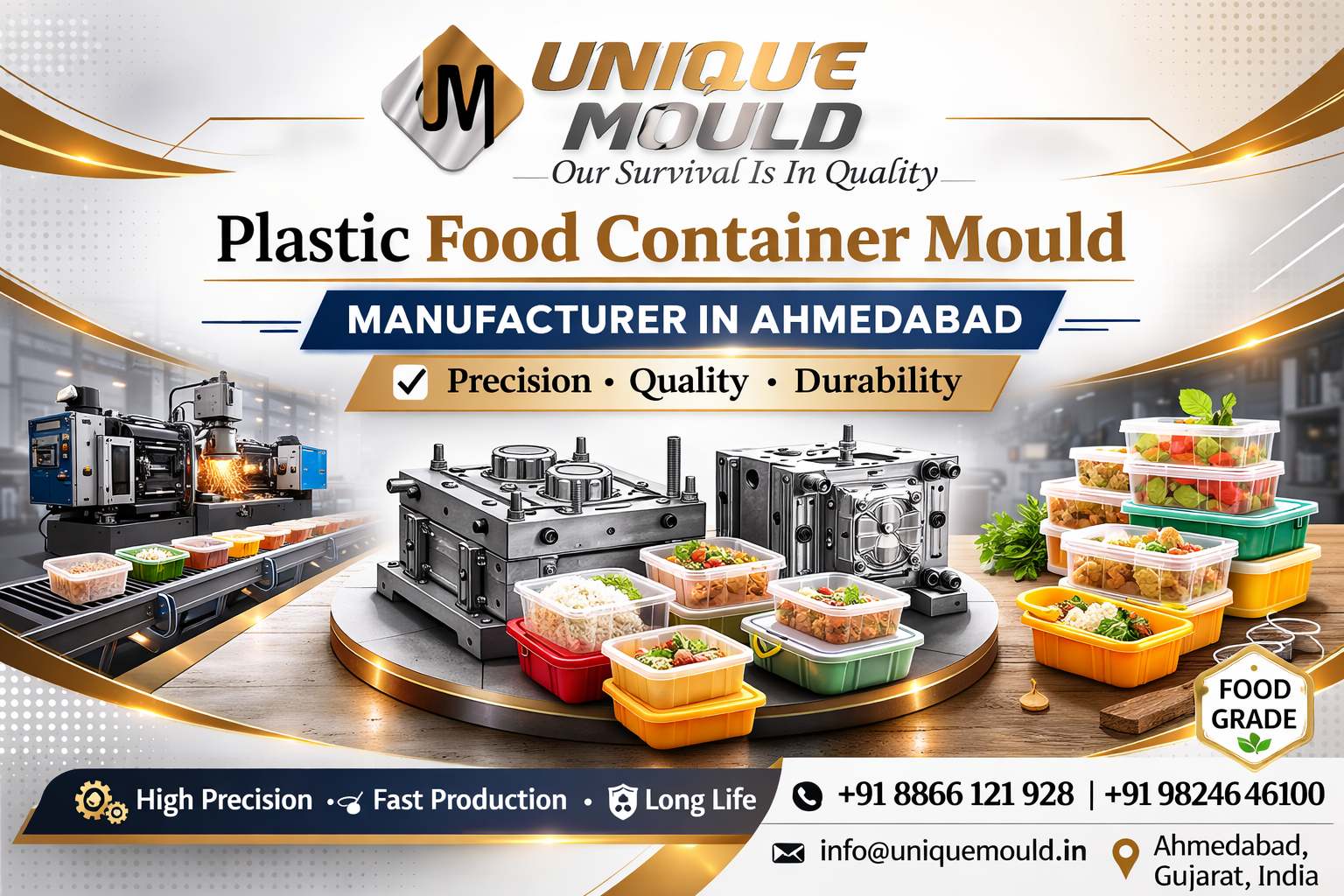
- Packaging parts such as caps, closures, containers, lids, and dispensing components.
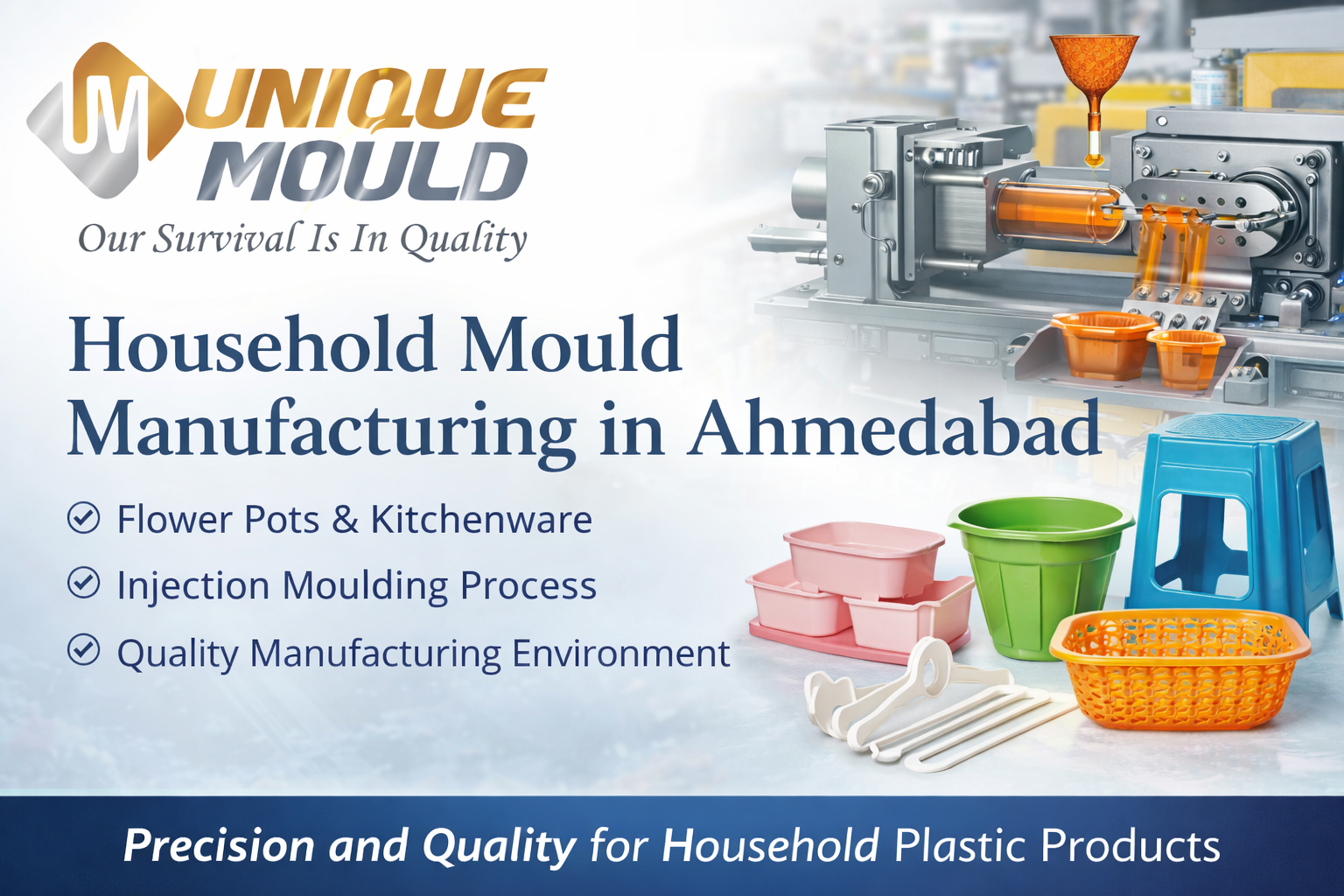
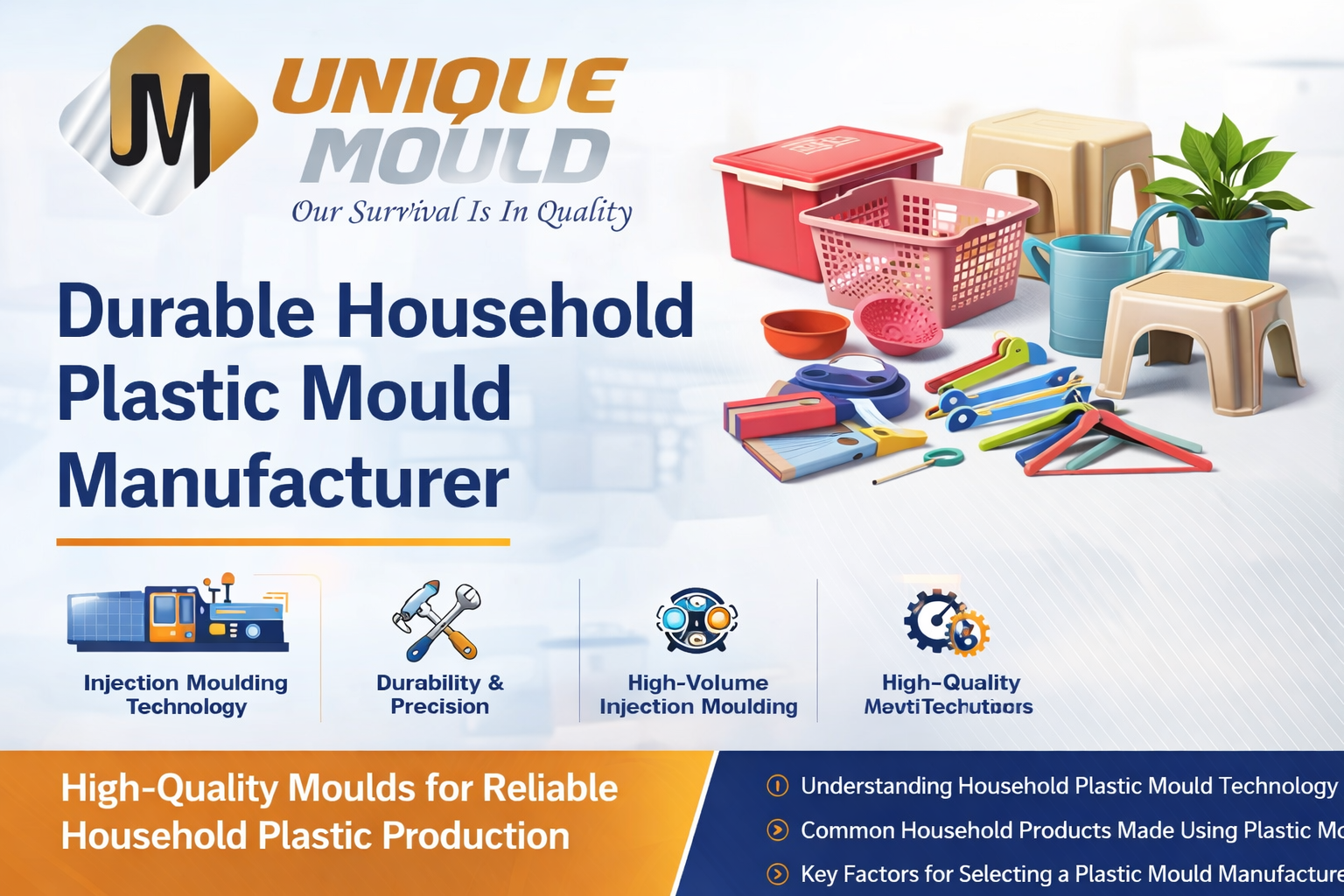
- Household and consumer products requiring consistent finish and stable dimensions.
- Industrial plastic components designed for strength, fit, and long service life.
- Automotive and electrical plastic parts that demand repeatable tolerances and durability.
Benefits of Precision Plastic Mould Tooling
- Lower rejection and better process control through accurate cavity design and venting.
- Improved cycle stability with engineered cooling, reducing part variation across shifts.
- Longer mould life using suitable steels, heat treatment, and protected wear surfaces.
- Cleaner part finish with correct polishing, texture control, and smart ejection planning.
Why a Tooling-First Approach Improves Production Results
Injection moulding output depends on tooling more than any single parameter setting. When the mould is engineered for balanced filling and uniform cooling, process windows become wider and production becomes easier to control. Proper steel selection and heat treatment reduce wear, while accurate alignment reduces flash and protects cavity edges. A tooling-first approach also simplifies maintenance, reduces downtime, and enables consistent surface finish and dimensional stability across large batches. If your focus is reliable production, investing in disciplined plastic mould tooling delivers measurable results in quality and long-term productivity.
Tips to Maintain Plastic Mould Tooling Performance
- Confirm resin grade early so shrinkage, venting, and gate type are designed correctly.
- Keep cooling circuits clean to prevent cycle drift and uneven part temperature.
- Schedule preventive maintenance for slides, lifters, and ejection components.
- Track part weight and key dimensions to detect early wear or vent blockage.
- Use consistent mould handling and storage practices to protect cavity surfaces.
FAQs – Plastic Mould Tooling
Contact Details
Talk to our specialists today for tailored solutions and fast assistance.