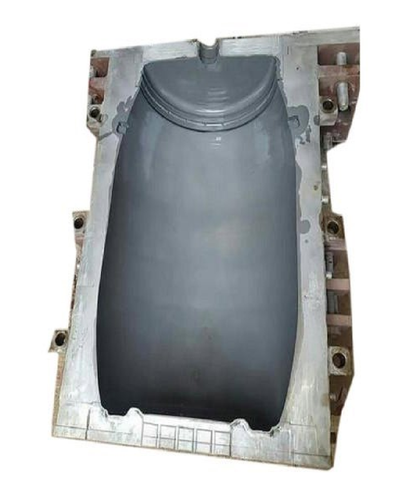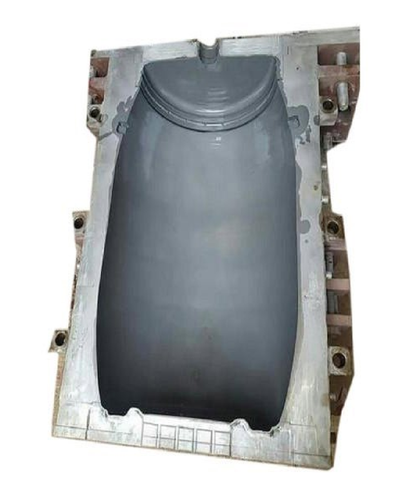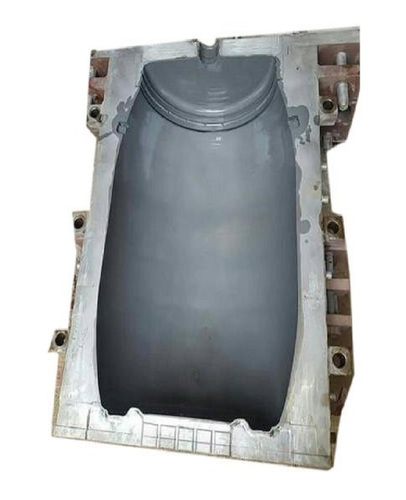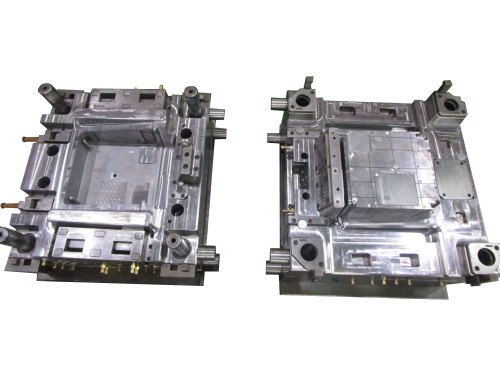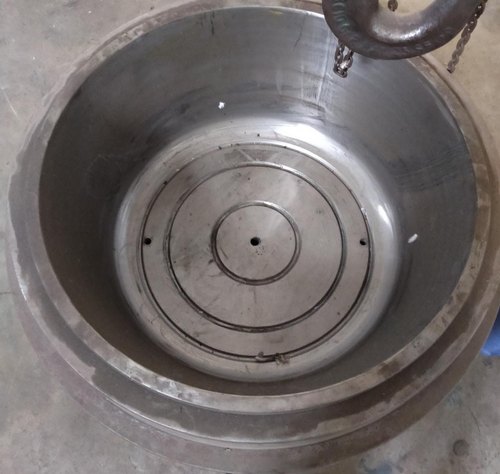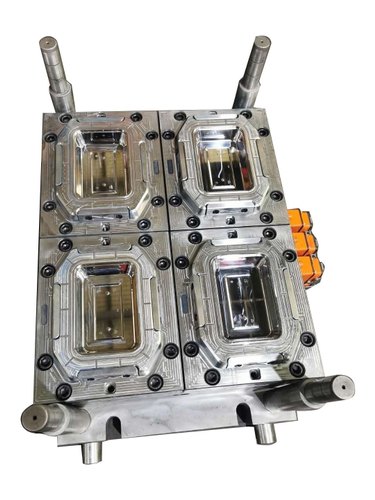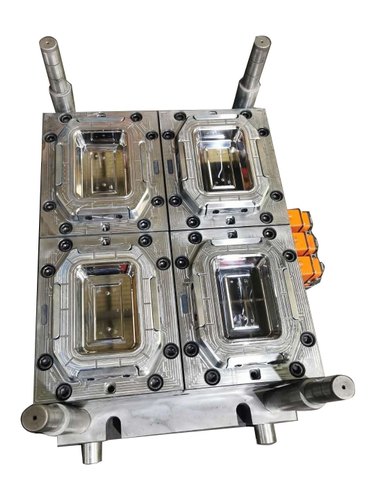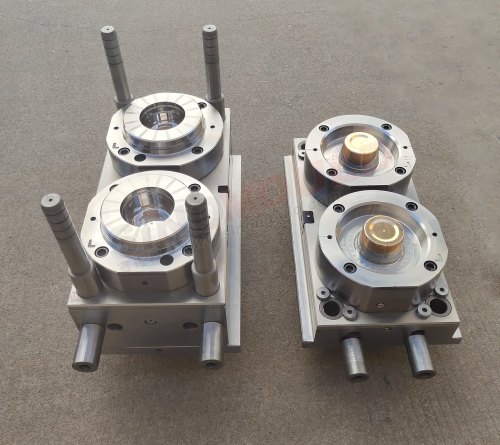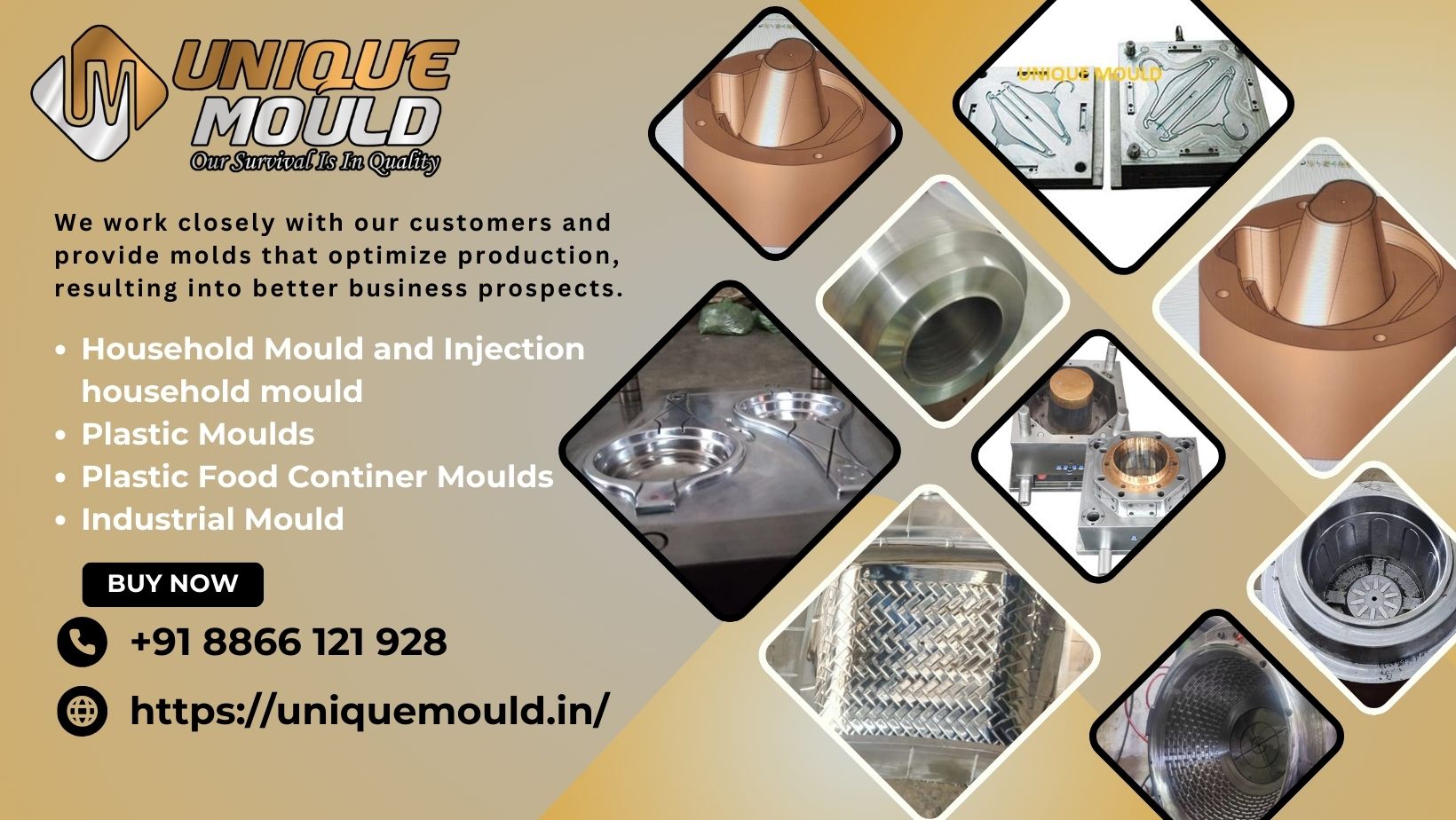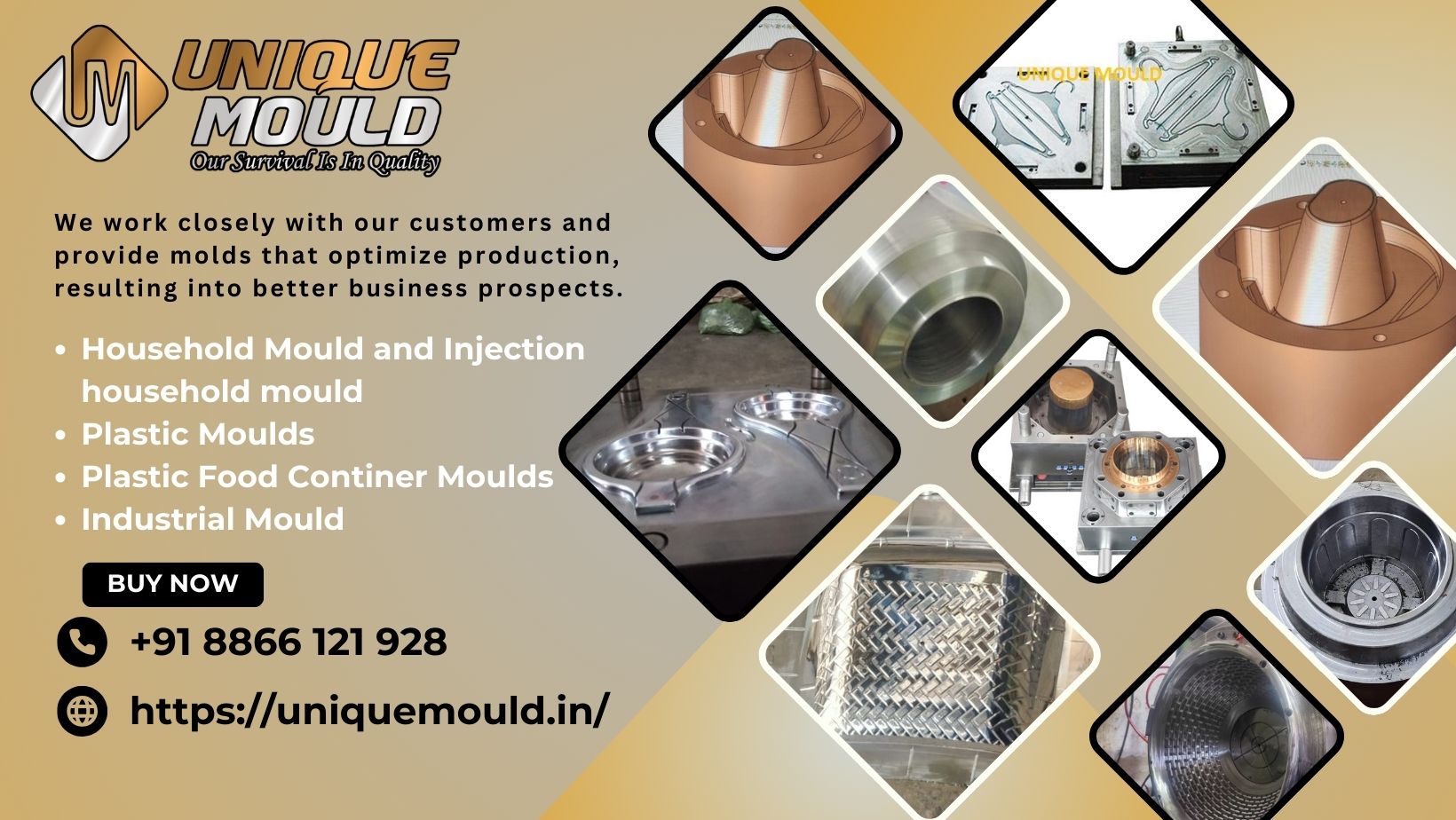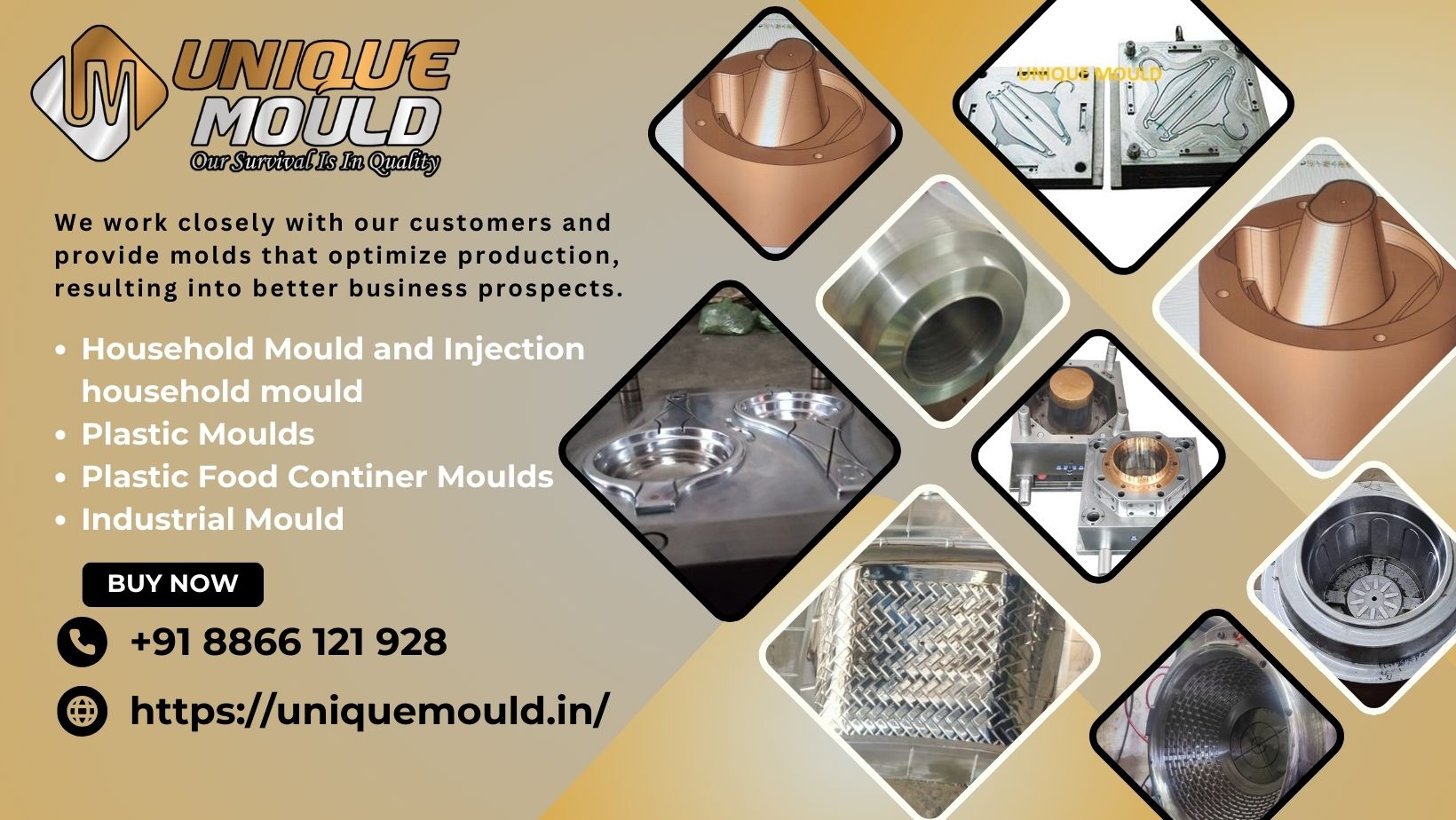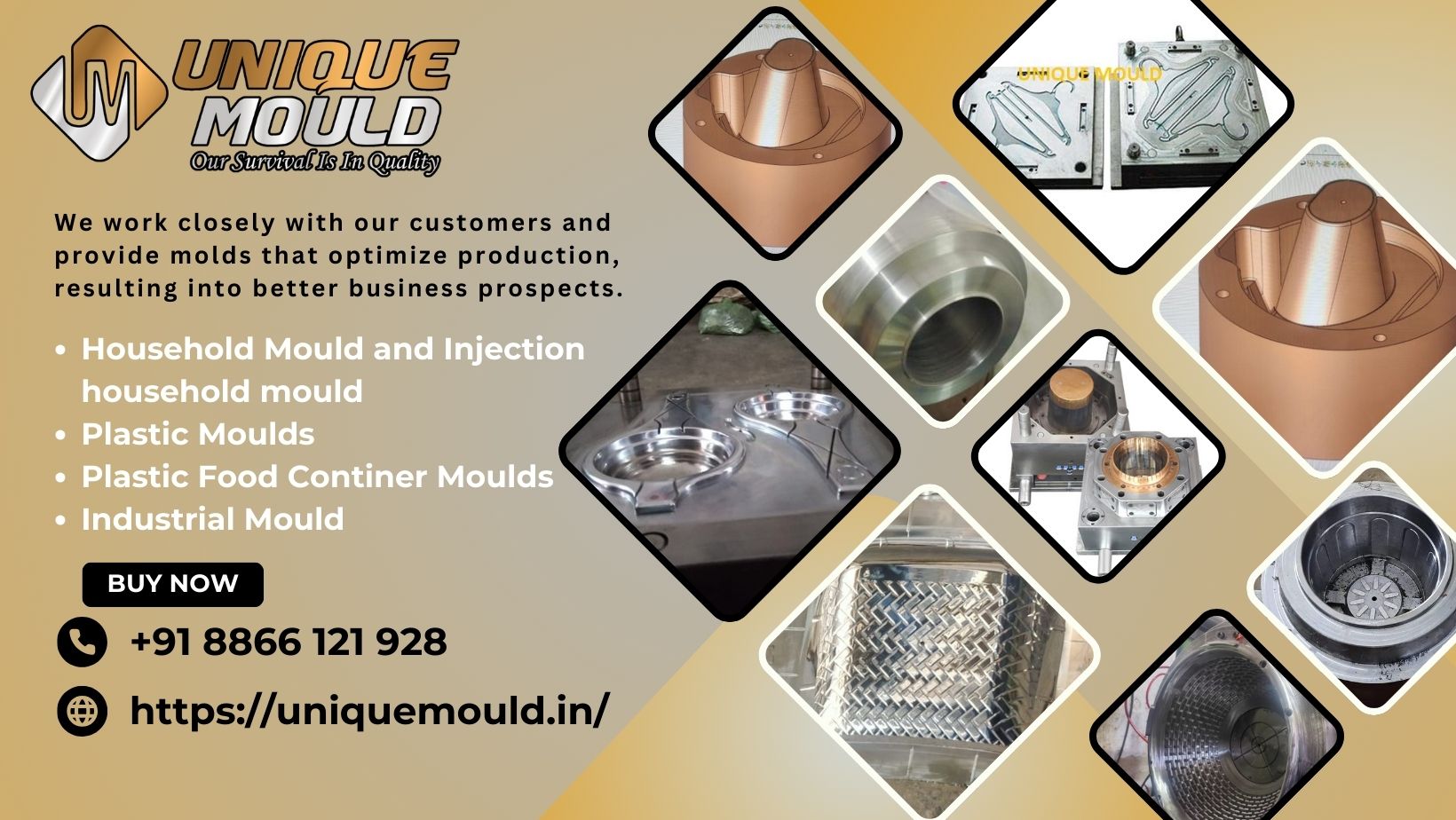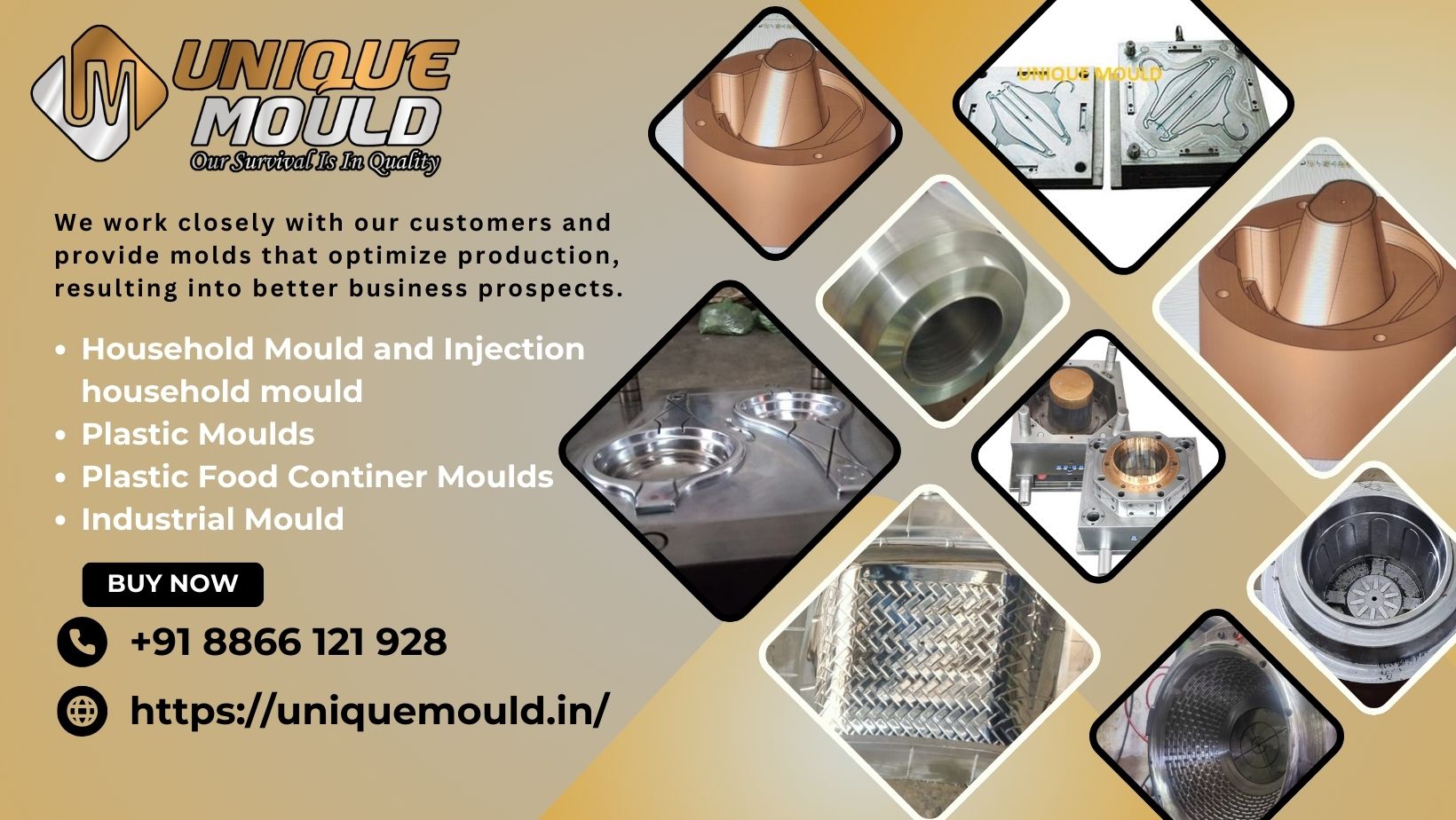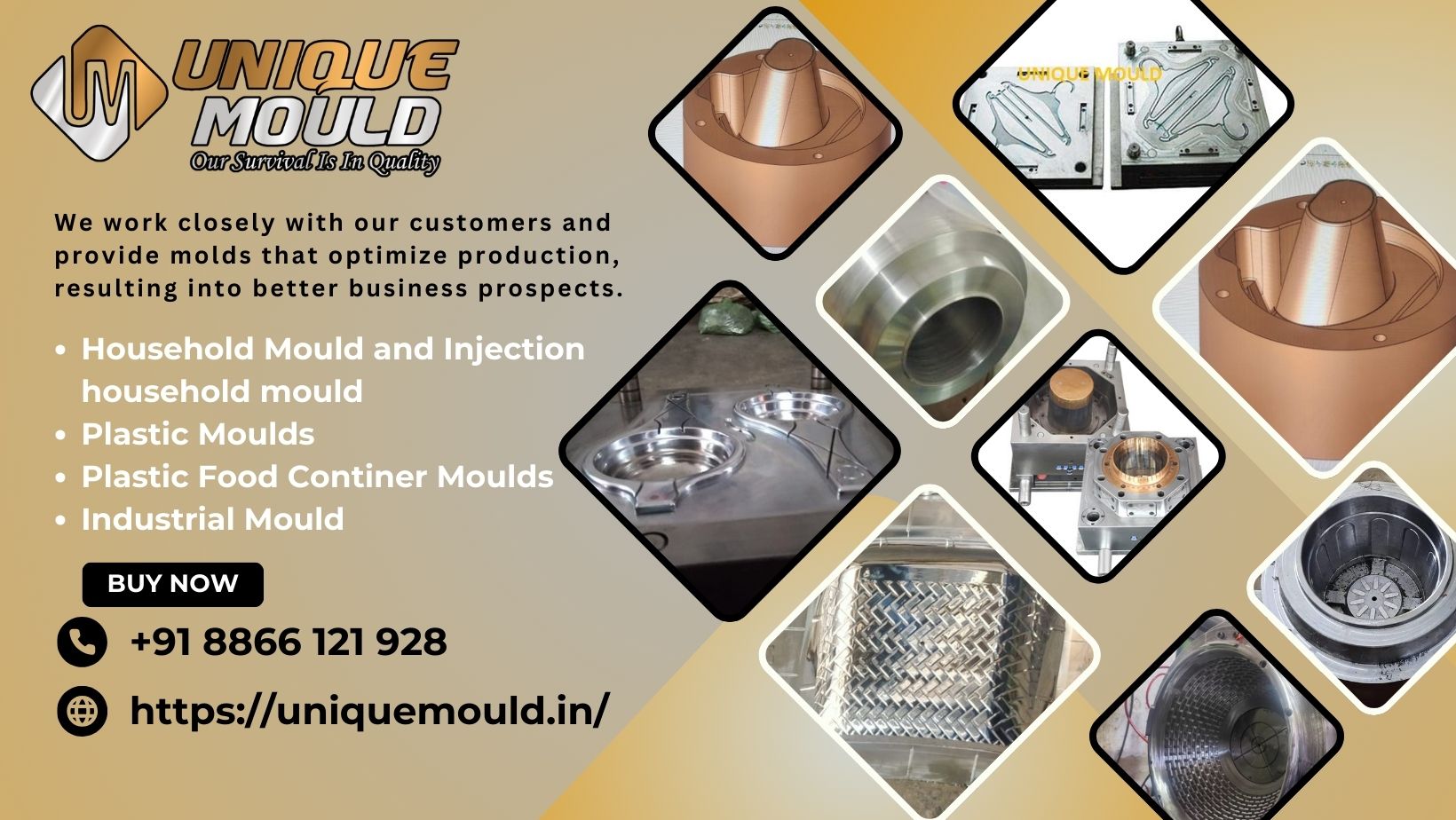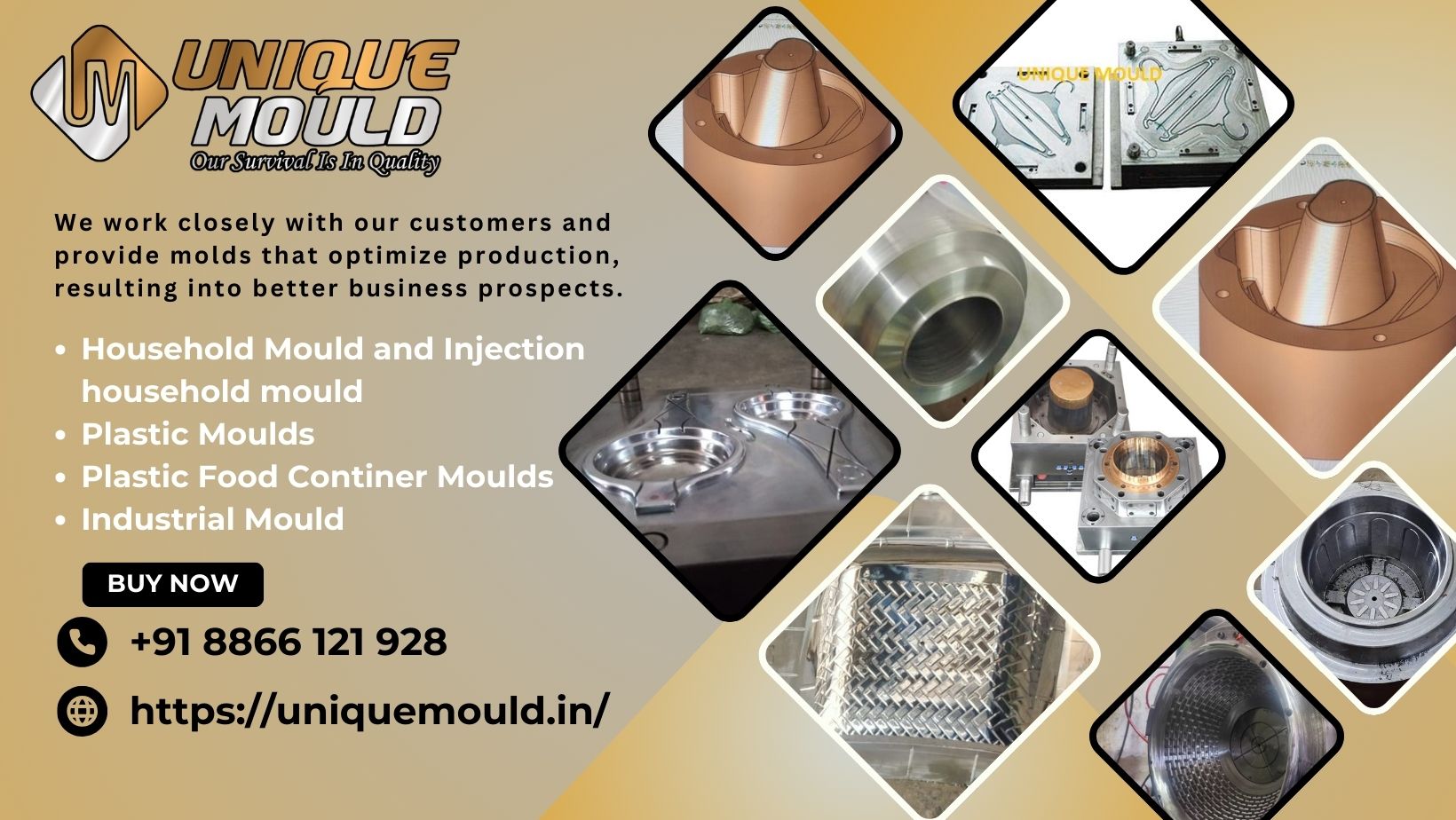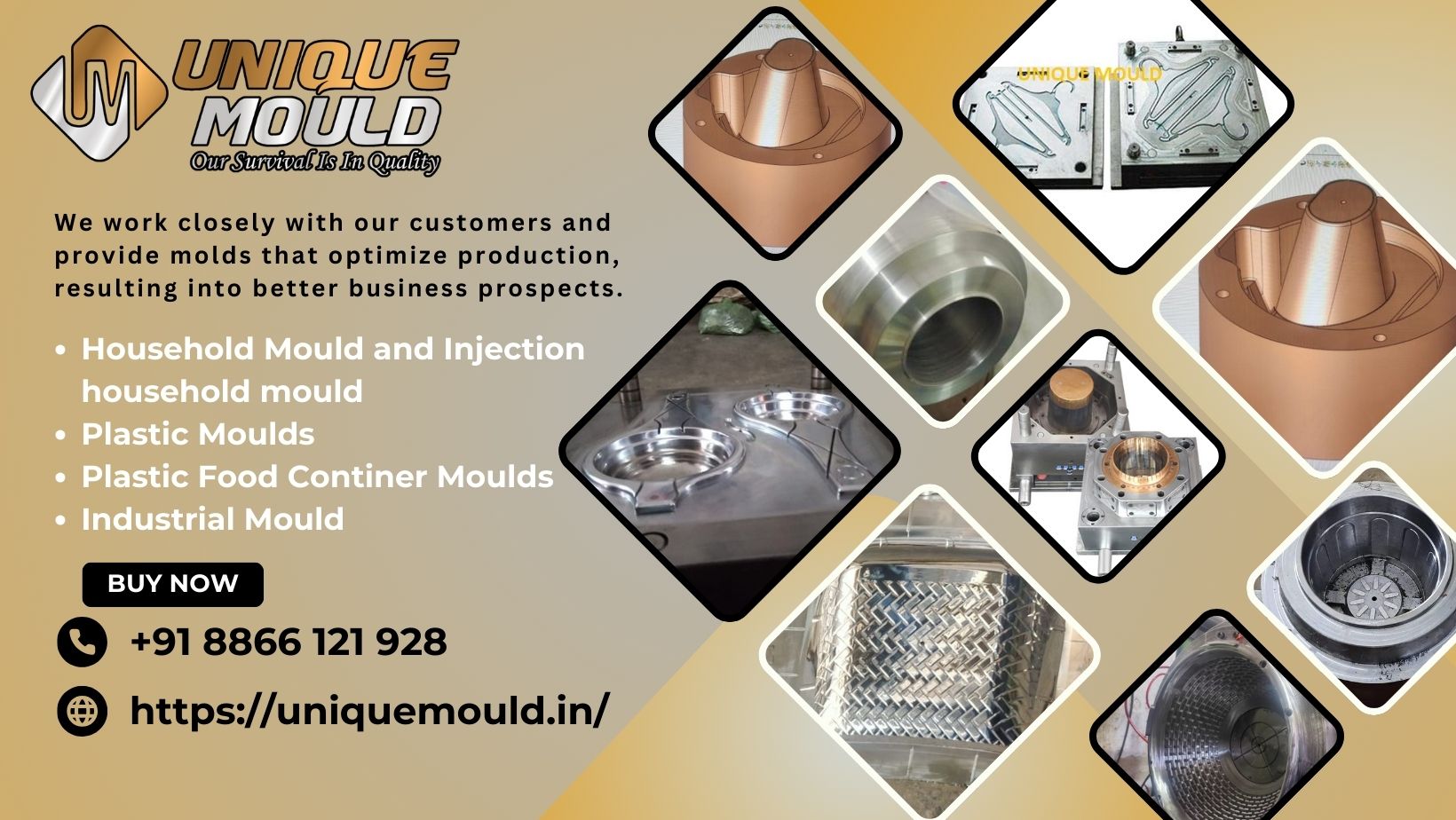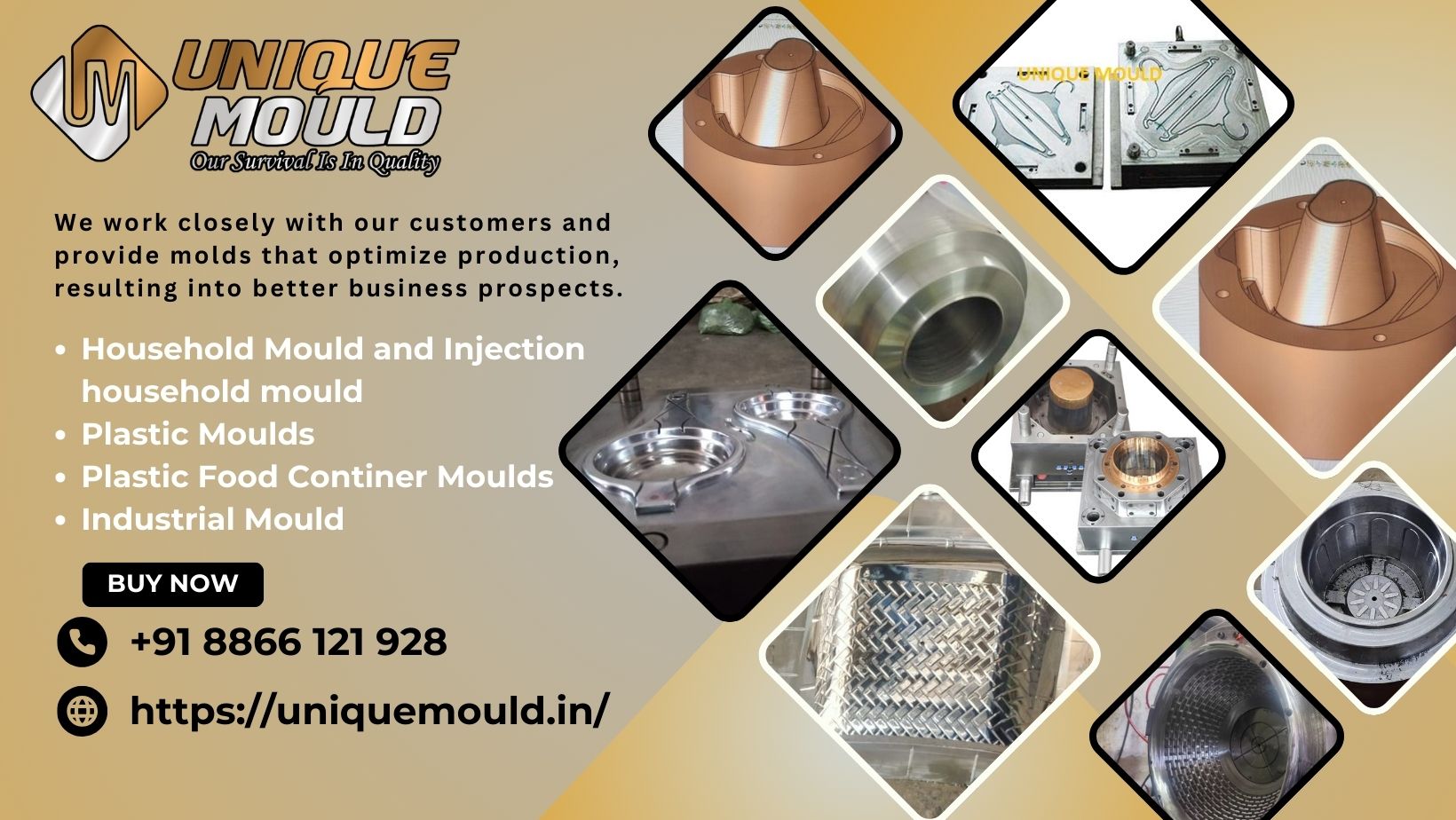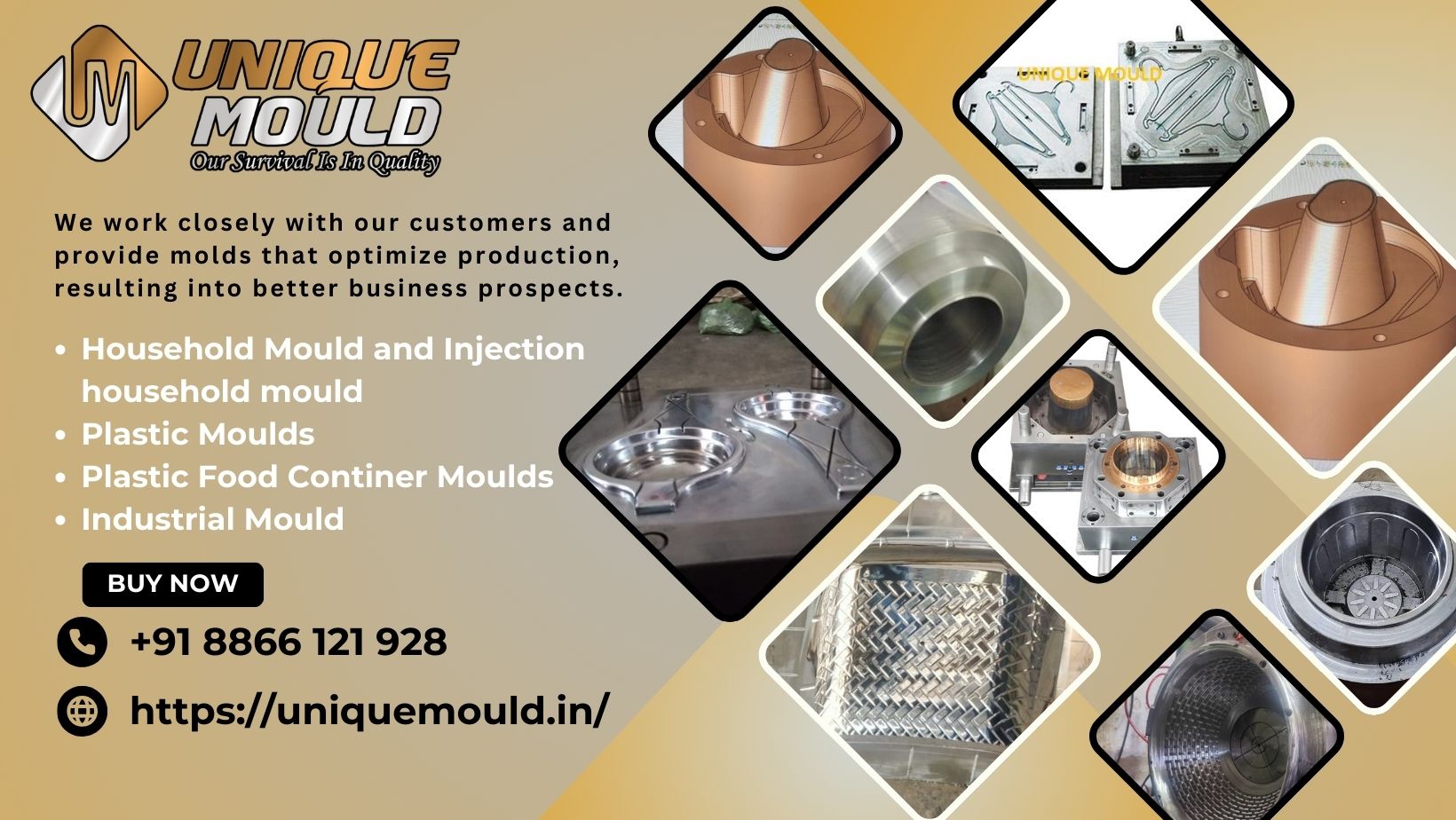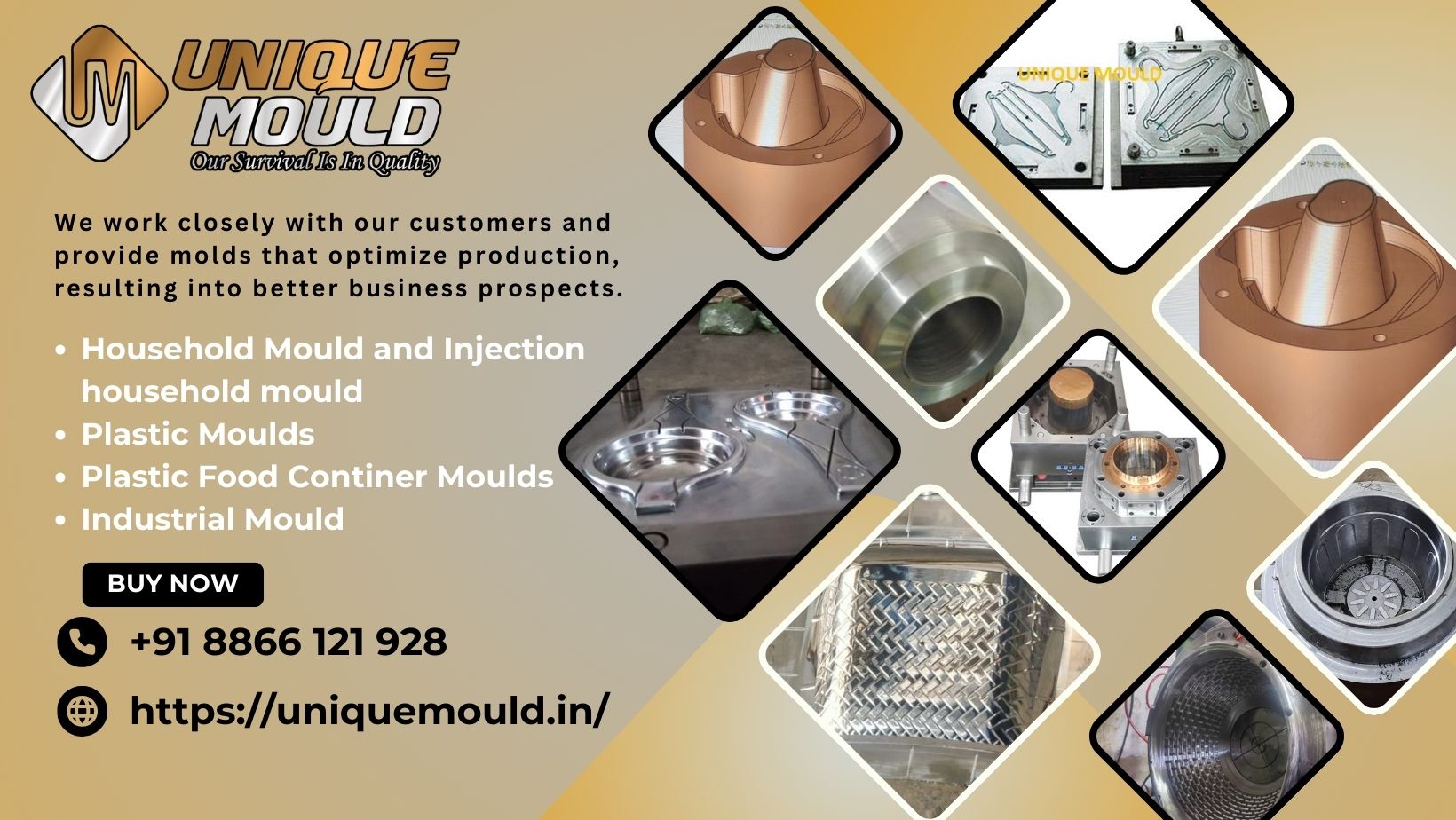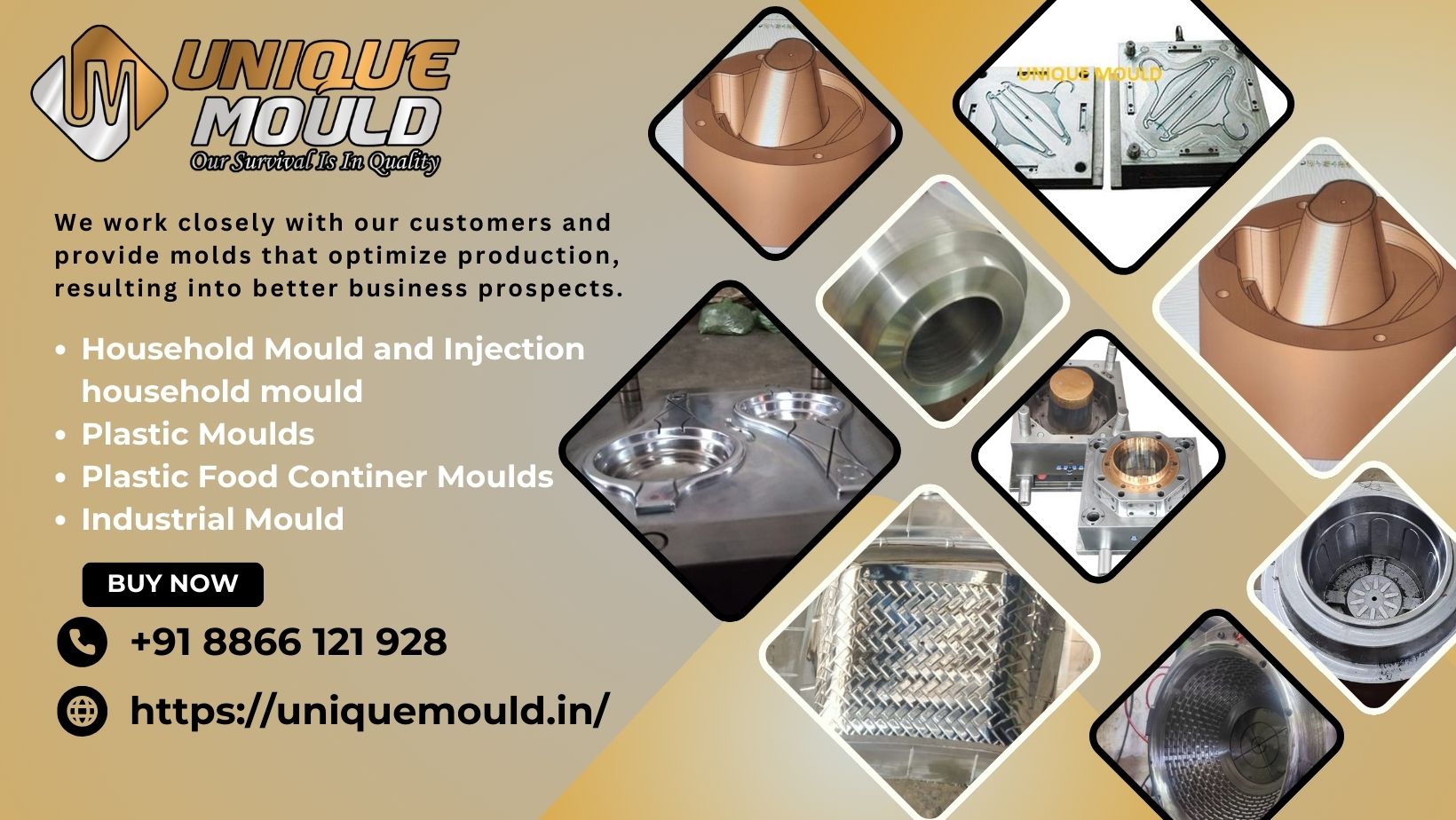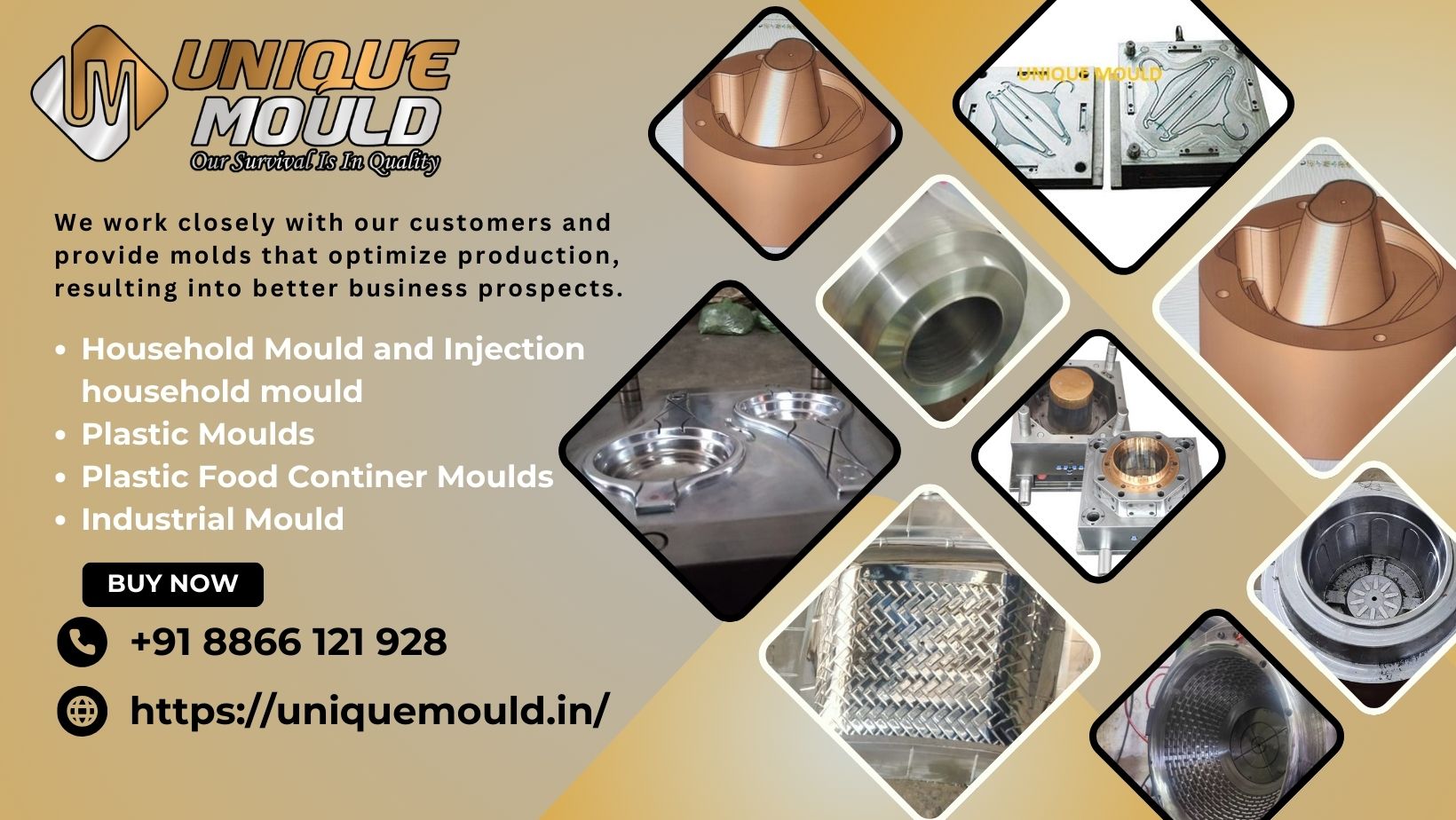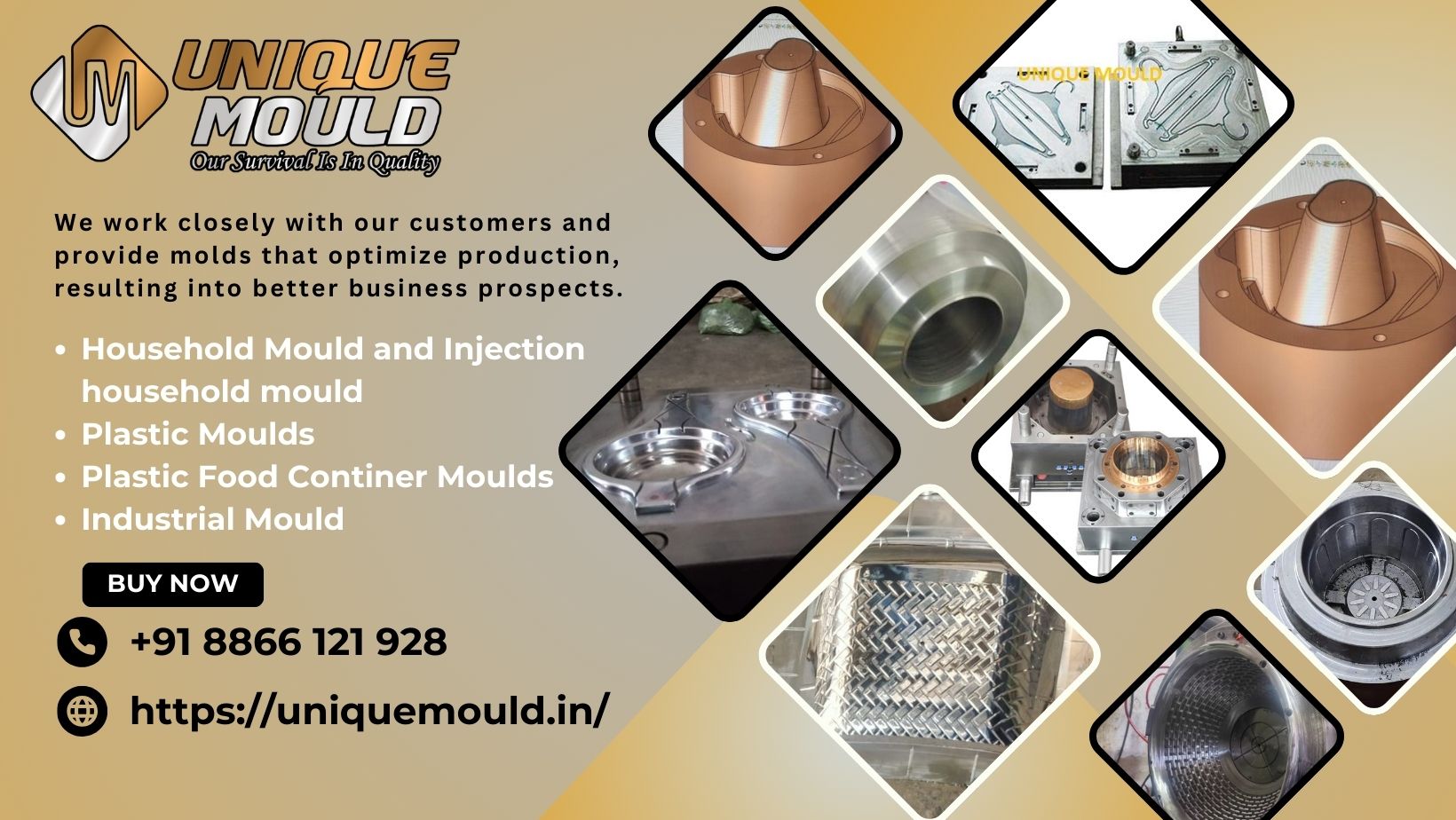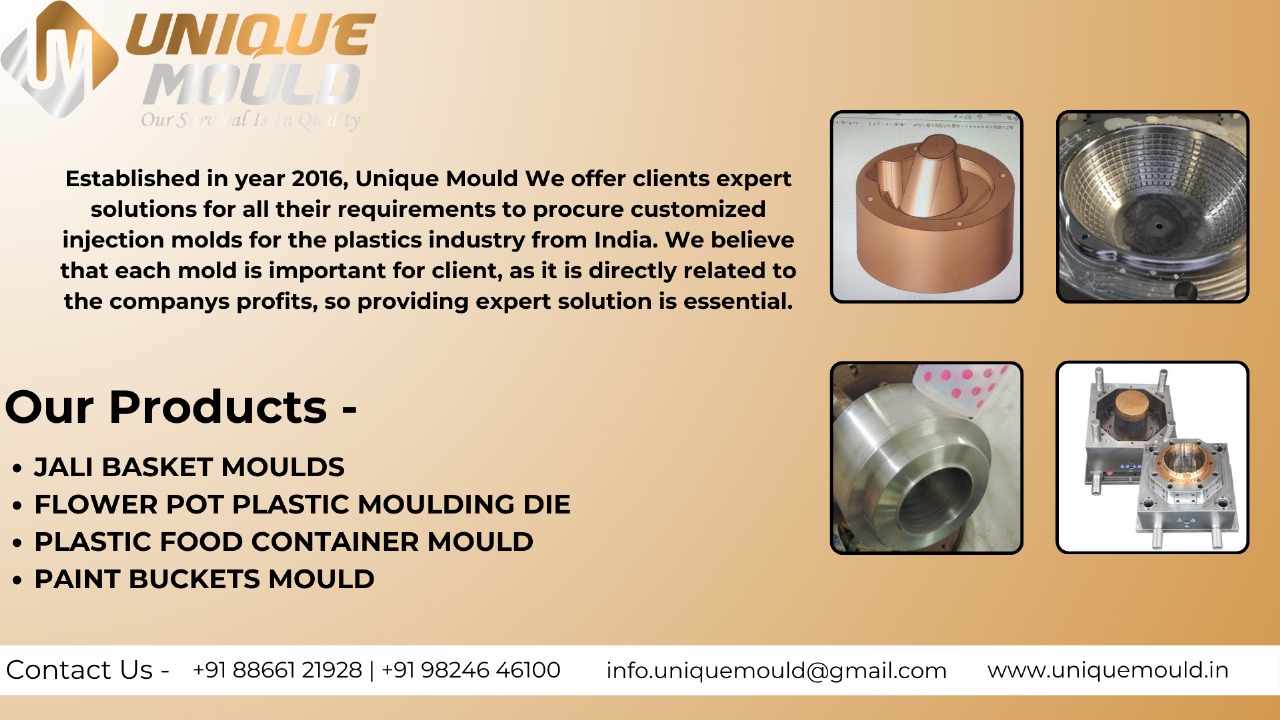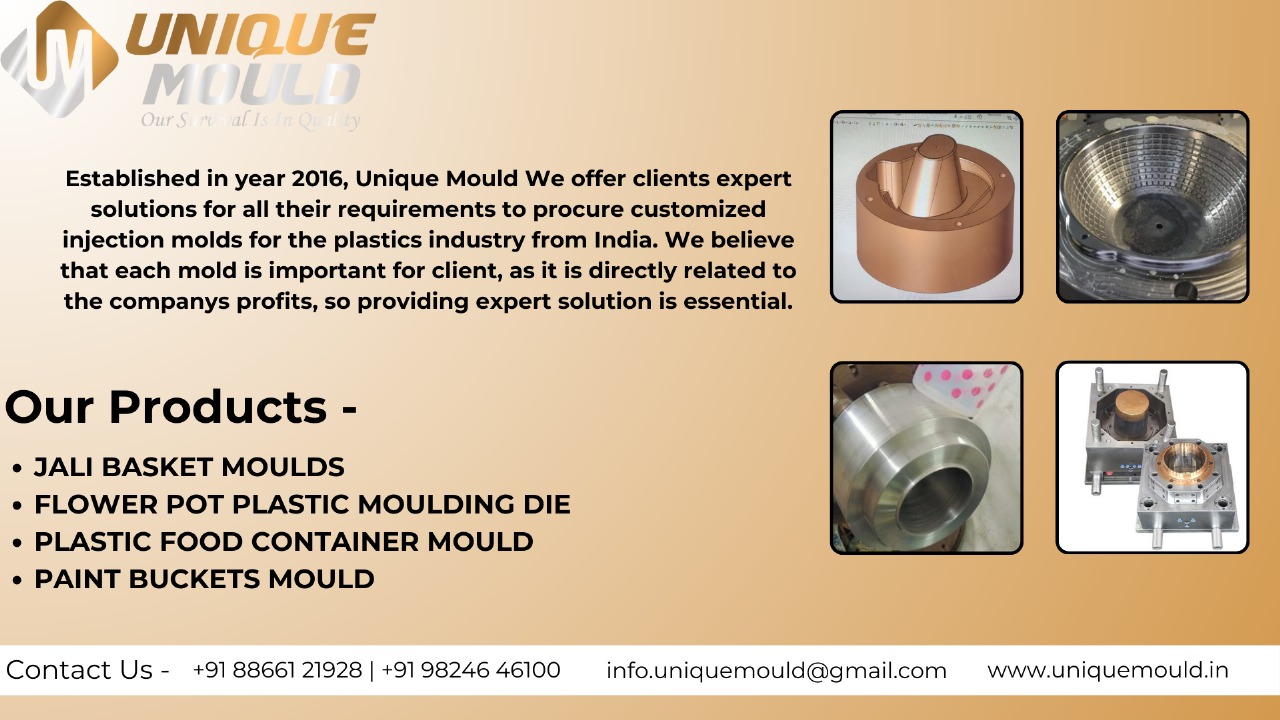
Plastic Injection Mould
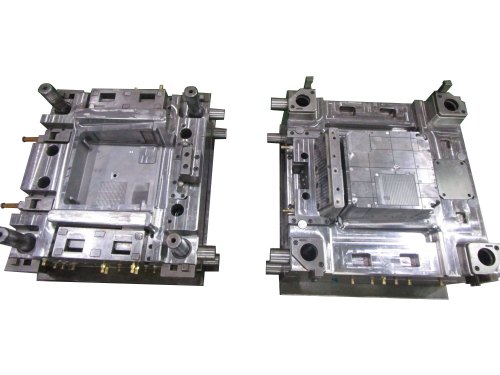
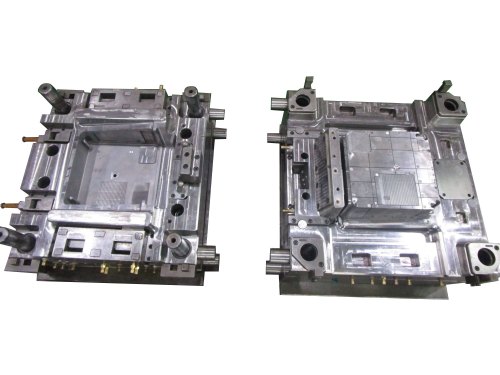
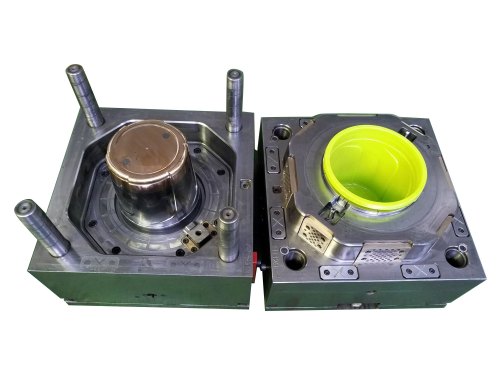
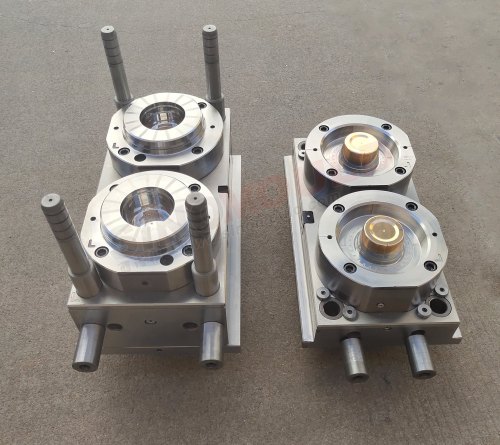
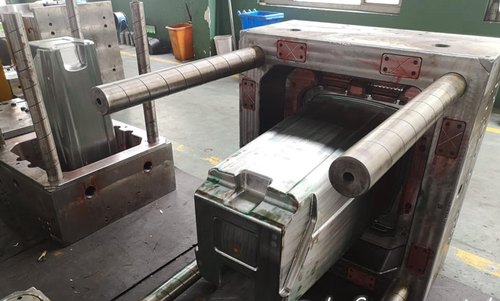
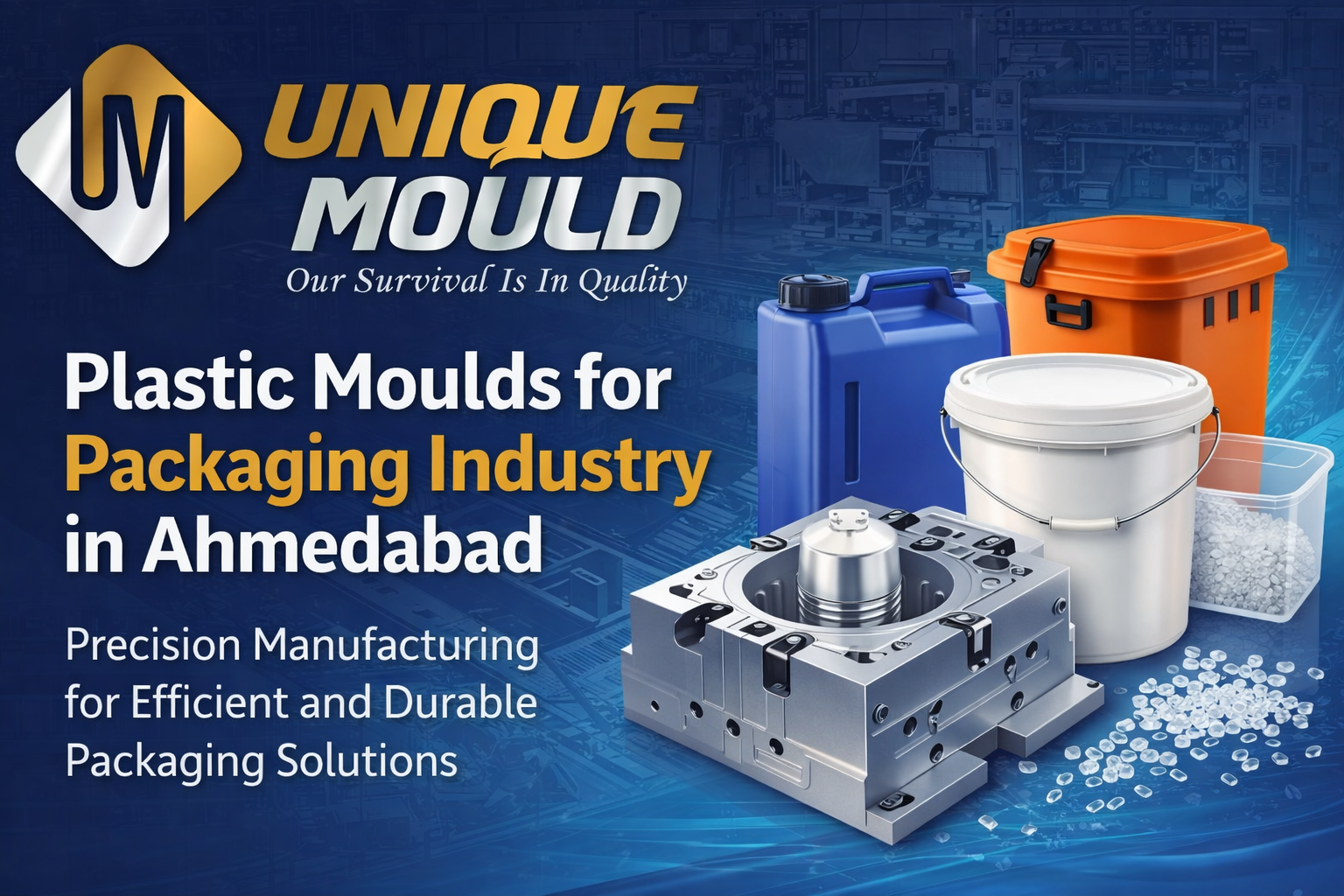
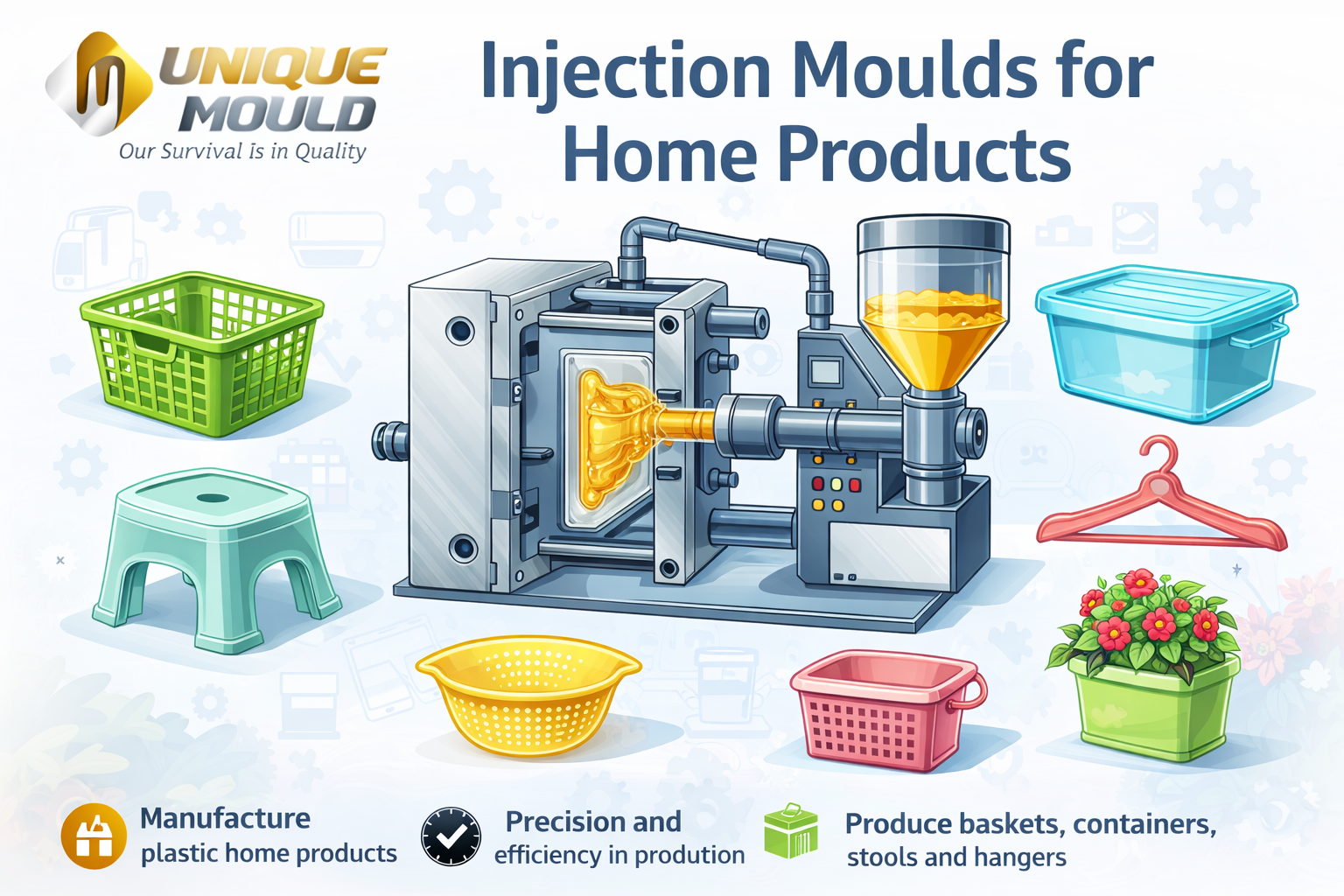
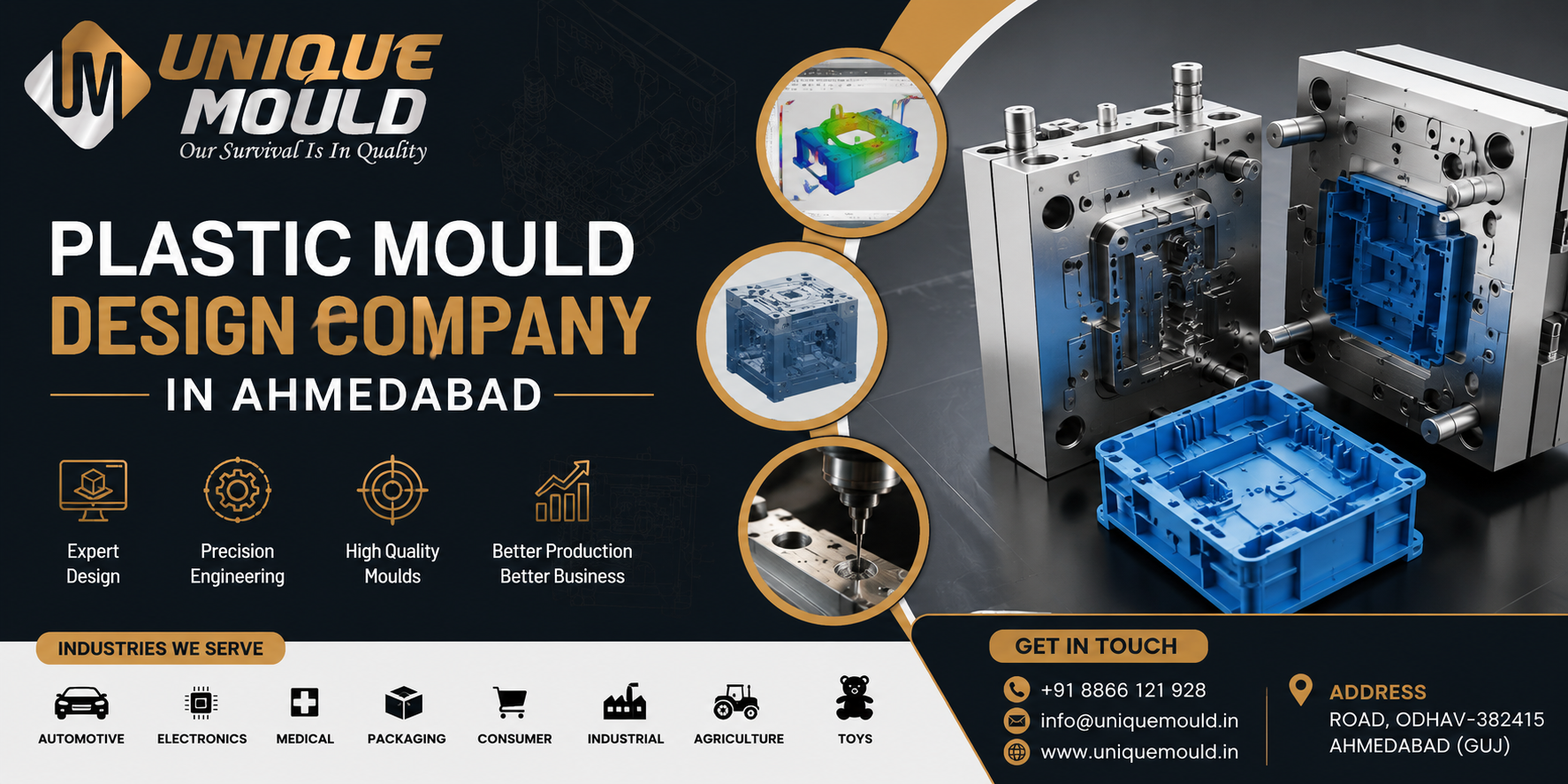
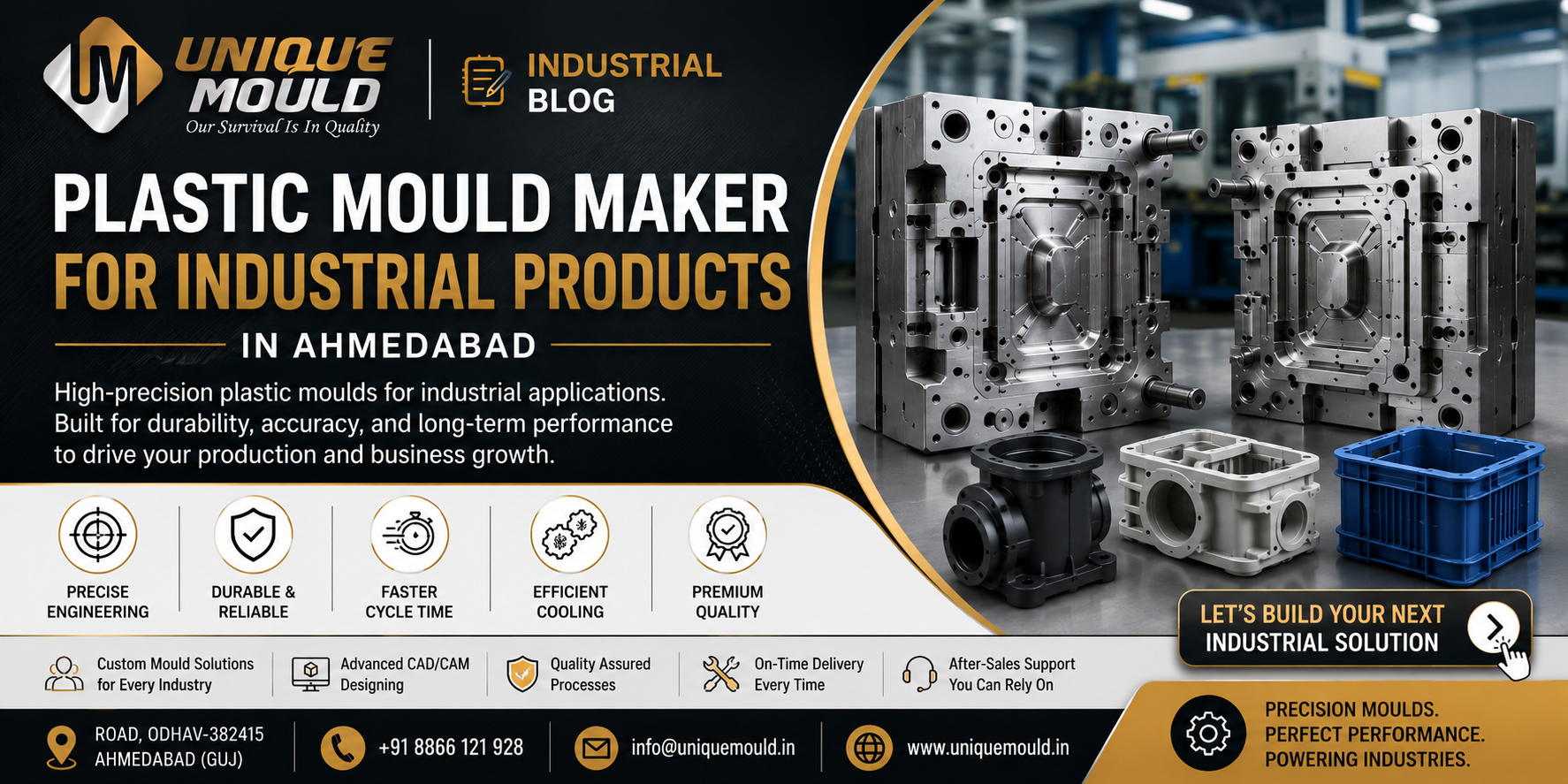
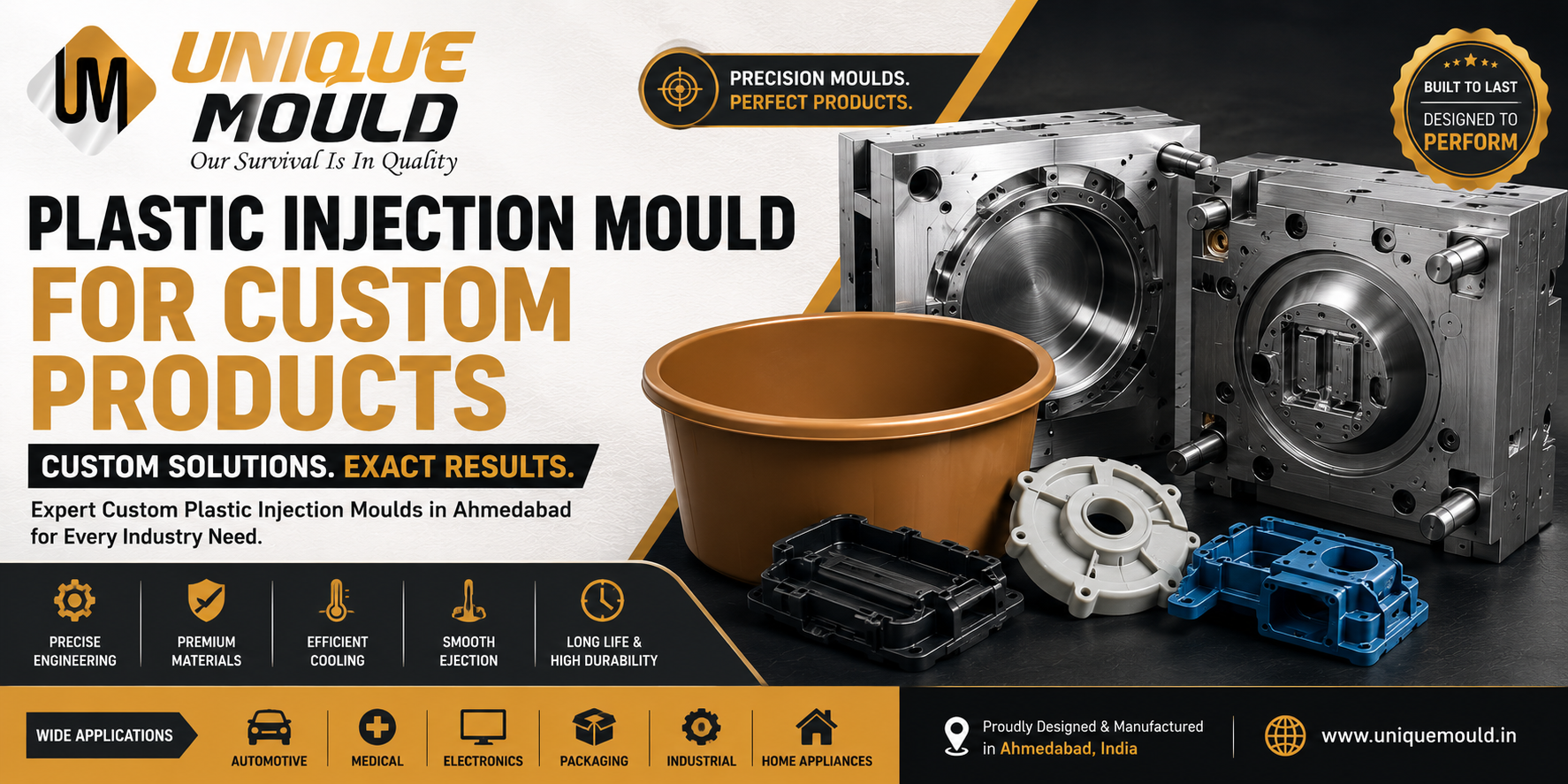
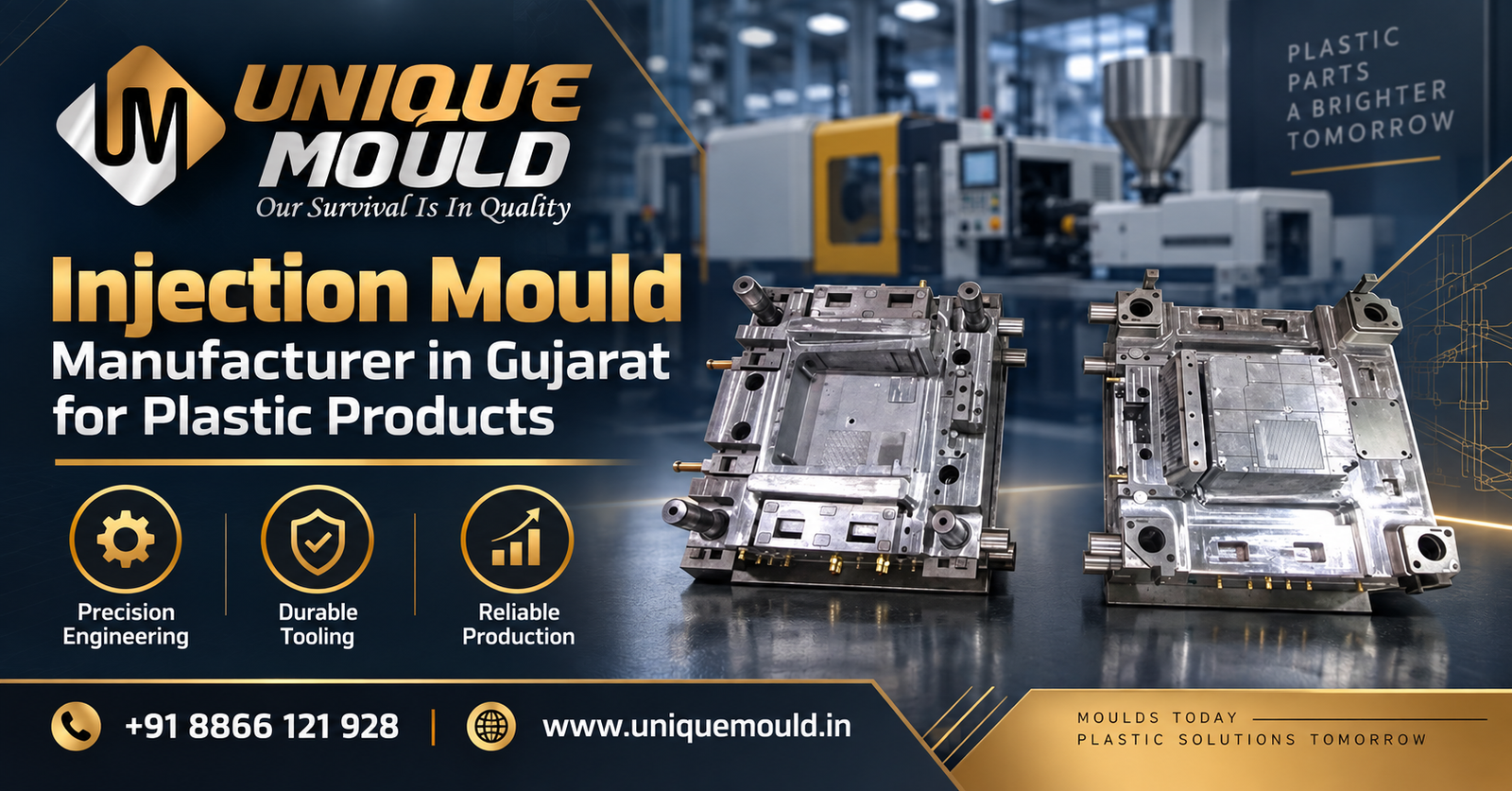
Plastic injection mould tooling is the foundation of repeatable, high-volume part production. A well-engineered mould controls filling balance, cooling stability, ejection reliability, and surface finish so every cycle produces consistent results. From consumer goods and packaging to automotive and industrial components, a precision mould helps reduce rejection, improve dimensional control, and support faster cycle performance. By selecting suitable tool steel, planning runner and gate geometry, and using efficient cooling circuits, manufacturers can achieve stable output with predictable maintenance and longer mould service life.
How Plastic Injection Mould Development Works
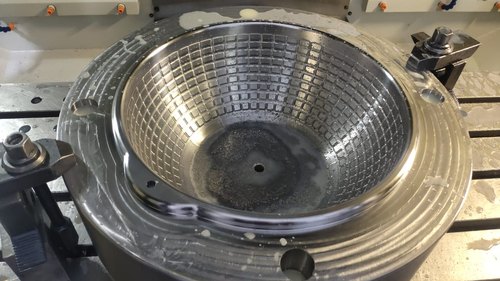
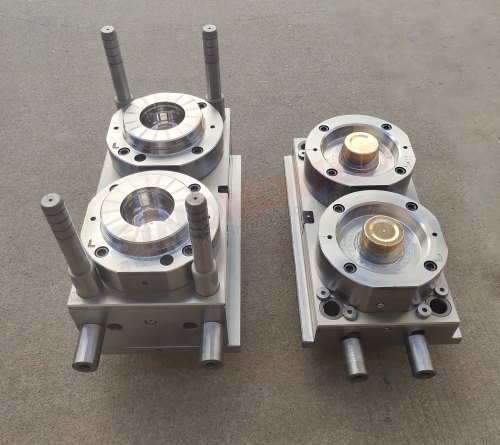
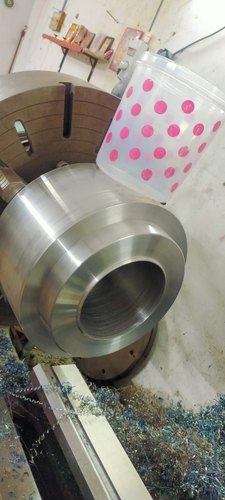
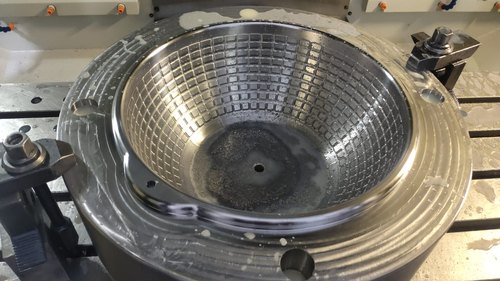
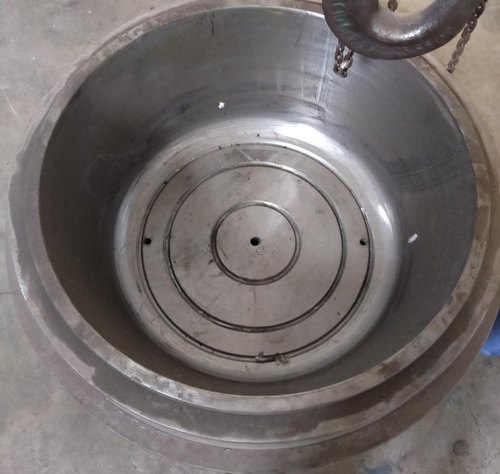
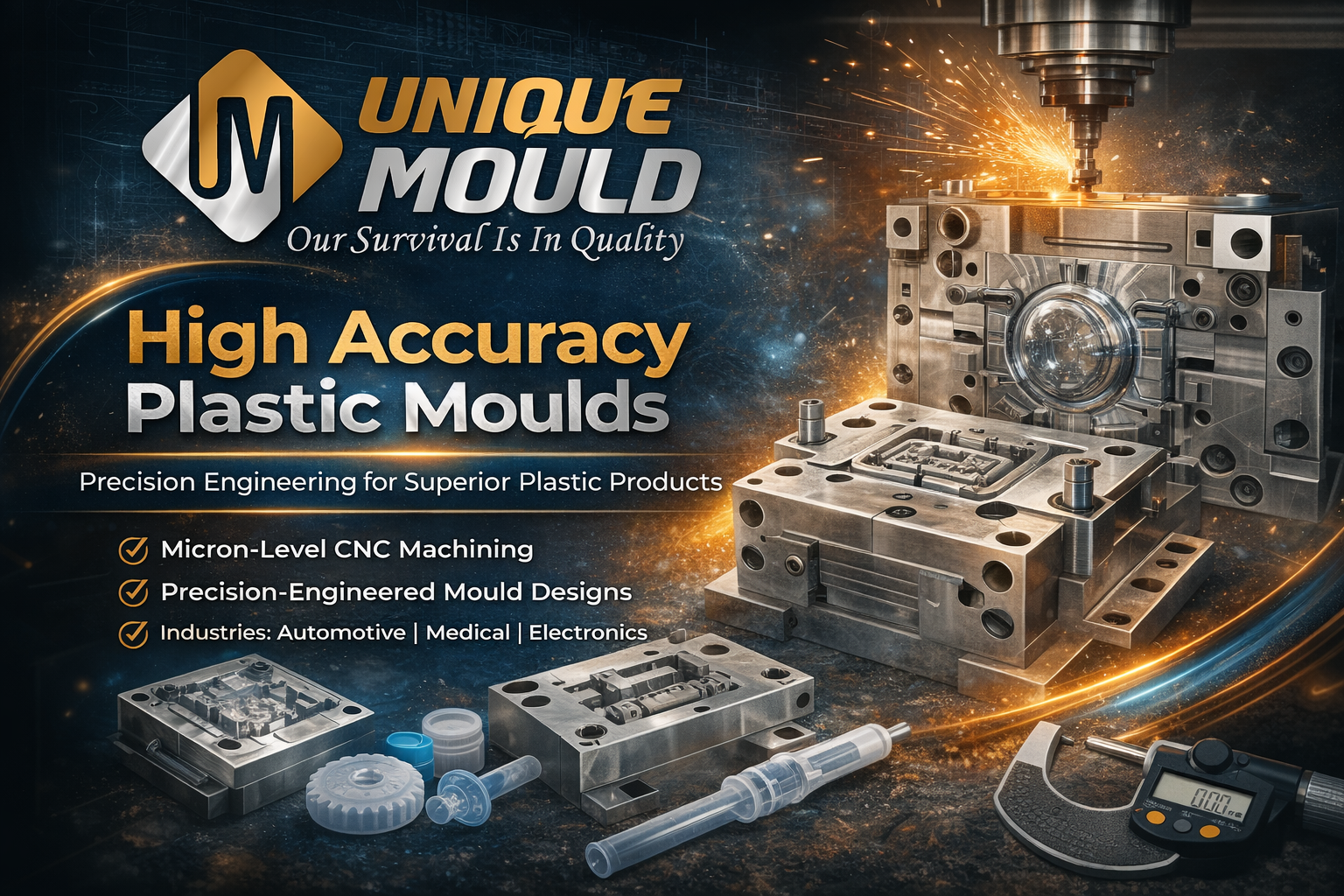
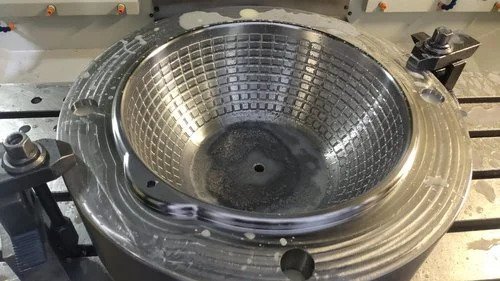
Mould development begins with part data review to confirm draft, wall thickness, ribs, undercuts, and tolerance zones. The tooling plan is finalized based on material shrinkage, cavity count, gating preference, and production targets. After design approval, the mould is machined using precision CNC and EDM processes, followed by heat treatment where required, polishing or texture processing, and assembly with guided alignment components. Trial runs validate filling, cooling uniformity, part aesthetics, and cycle stability before the mould is released for production.
Plastic Injection Mould Types Commonly Used
- Single cavity moulds for controlled sampling, low-volume production, and new product validation.
- Multi-cavity moulds for high-output manufacturing with consistent part-to-part repeatability.
- Family moulds for multiple parts in one tool to support assemblies and matched product sets.
- Hot runner moulds for reduced waste, improved cosmetics, and stable cycle performance.
- Insert and overmould tooling for combined materials, functional inserts, and enhanced product strength.
Key Features That Improve Mould Performance
- Balanced runner and gate layout to minimize short shots, sink marks, and warpage risk.
- Efficient cooling channel design to control shrinkage variation and reduce cycle time drift.
- Reliable ejection with correct pin placement to reduce marks and prevent part sticking.
- Precision guiding and alignment to maintain shut-off integrity and reduce flash formation.
- Wear-resistant components and replaceable inserts for easier maintenance and longer tool life.
Applications of Plastic Injection Mould Tooling
- Packaging components such as caps, closures, dispensers, and container accessories.
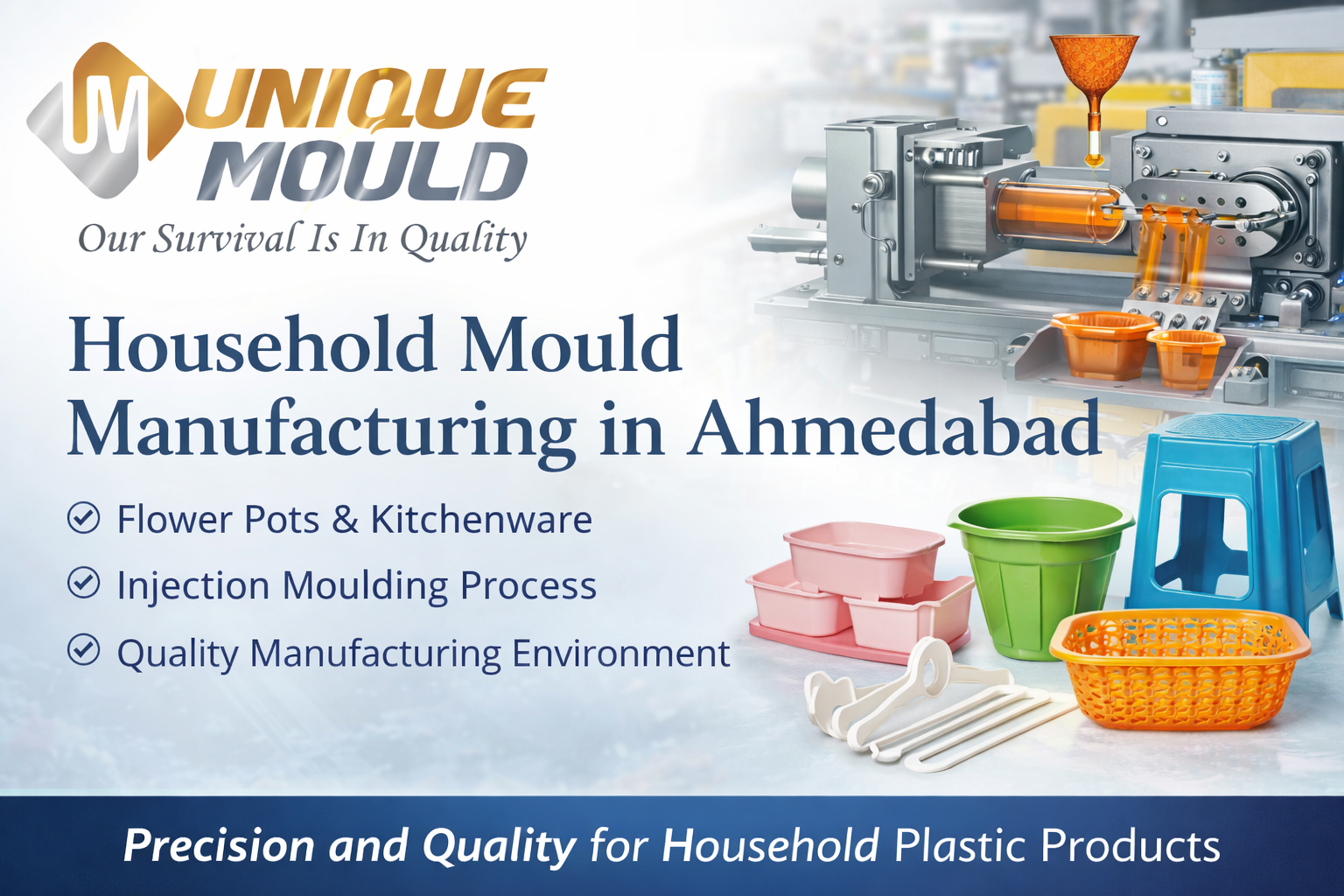
- Consumer products including kitchenware, organizers, housings, and daily-use plastic items.
- Automotive parts like clips, brackets, covers, and interior plastic components.
- Electrical and electronics housings requiring stable tolerances and consistent surface finish.
- Industrial components produced for durability, repeatability, and predictable fit in assemblies.
Benefits of Using a Precision Plastic Injection Mould
- Improved dimensional consistency to reduce rejection and ensure stable assembly fit.
- Lower cycle variation with optimized cooling and controlled filling balance.
- Better aesthetics through correct venting, polishing, and controlled ejection design.
- Longer mould life with suitable steel selection and wear-resistant tool components.
- Production-ready scalability from single cavity sampling to multi-cavity output upgrades.
Plastic Injection Mould Partner for Production Reliability
When selecting a plastic injection mould partner, focus on engineering capability rather than only machining capacity. A production-ready mould requires stable cooling, consistent ejection, accurate parting line control, and a design that supports predictable processing windows. A structured trial process helps validate part quality, cycle repeatability, and ease of maintenance. With the right approach, injection mould tooling becomes a long-term asset that supports dependable output and consistent product performance across multiple batches.
Tips for Better Injection Mould Output Stability
- Finalize polymer and shrinkage values early to avoid rework in cavity sizing and gating.
- Use balanced cooling to reduce part distortion and keep dimensions stable across cavities.
- Plan venting and ejection for smooth release, especially on cosmetic or textured surfaces.
- Maintain slides, lifters, and ejectors on schedule to keep movement smooth and reduce downtime.
- Confirm tolerance-critical zones during trials and validate fit with real assembly checks.
FAQs – Plastic Injection Mould
Contact Details
Talk to our specialists today for tailored solutions and fast assistance.