Industrial Plastic Mould
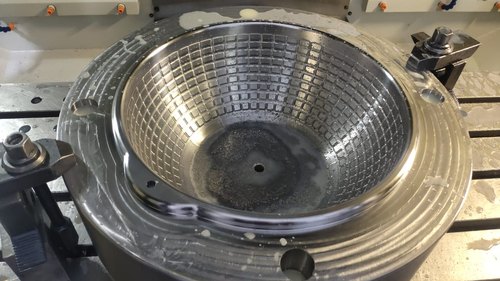
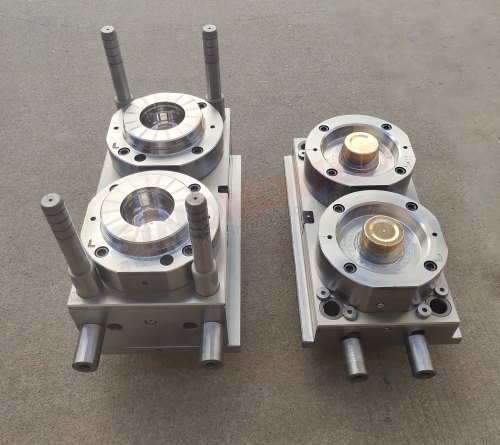
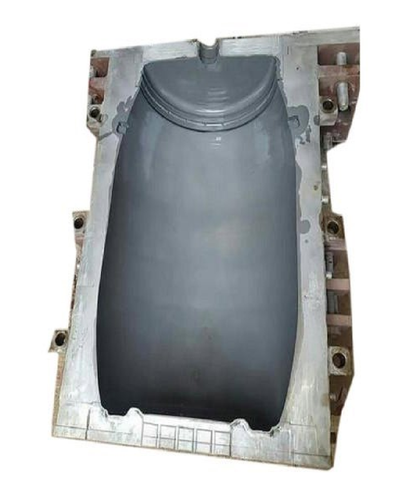
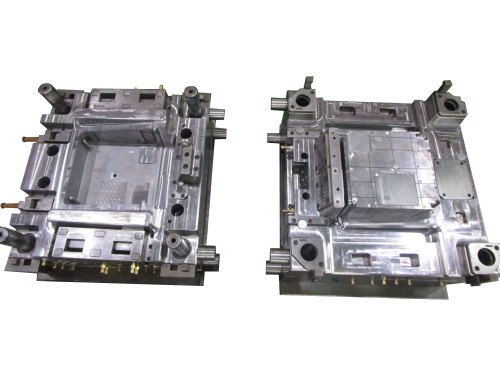
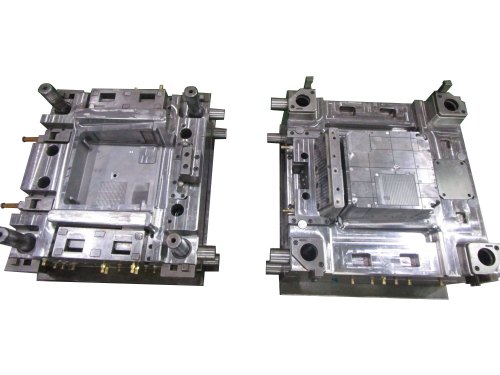
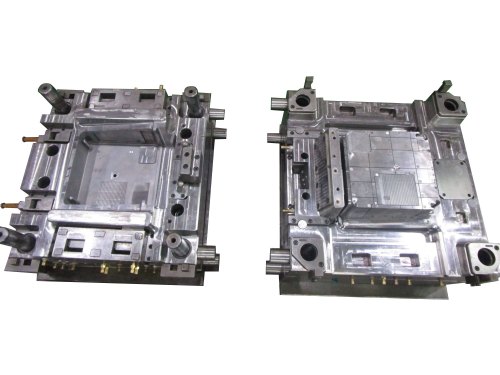
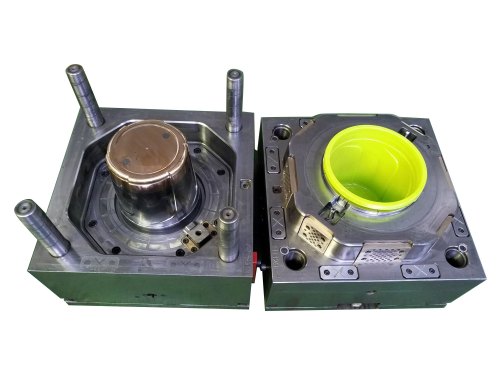
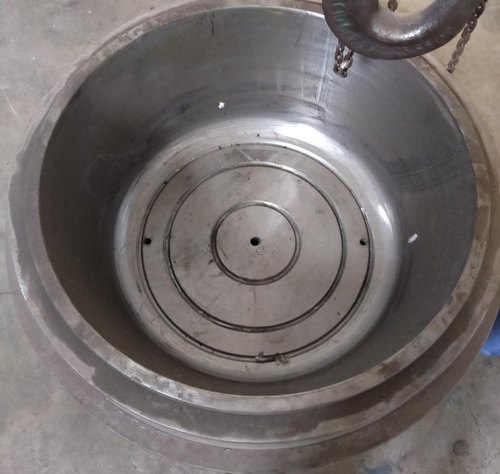
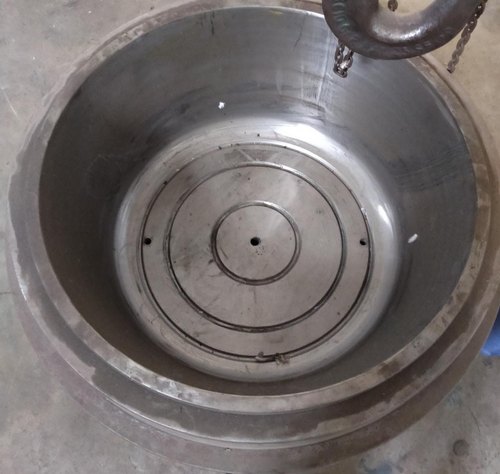
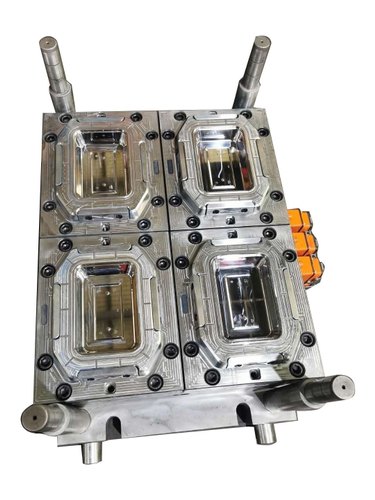
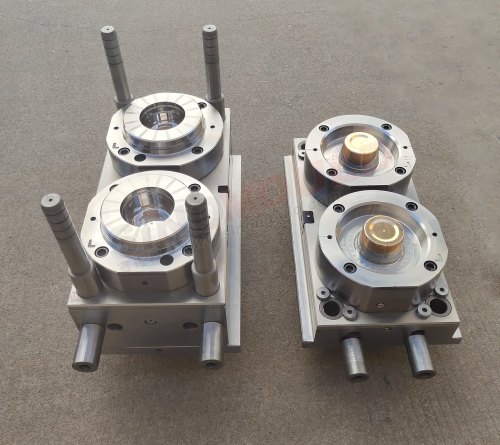
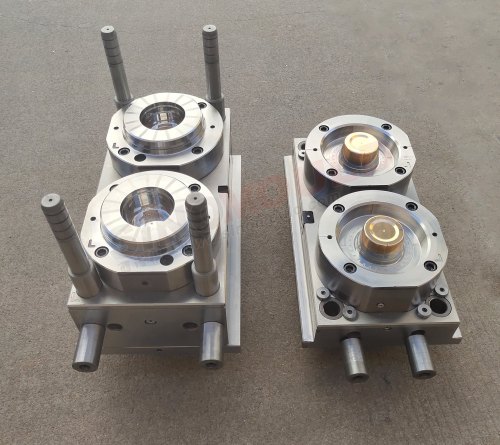
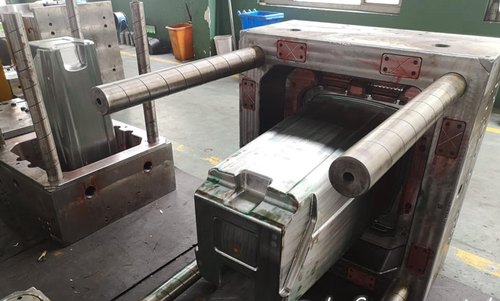
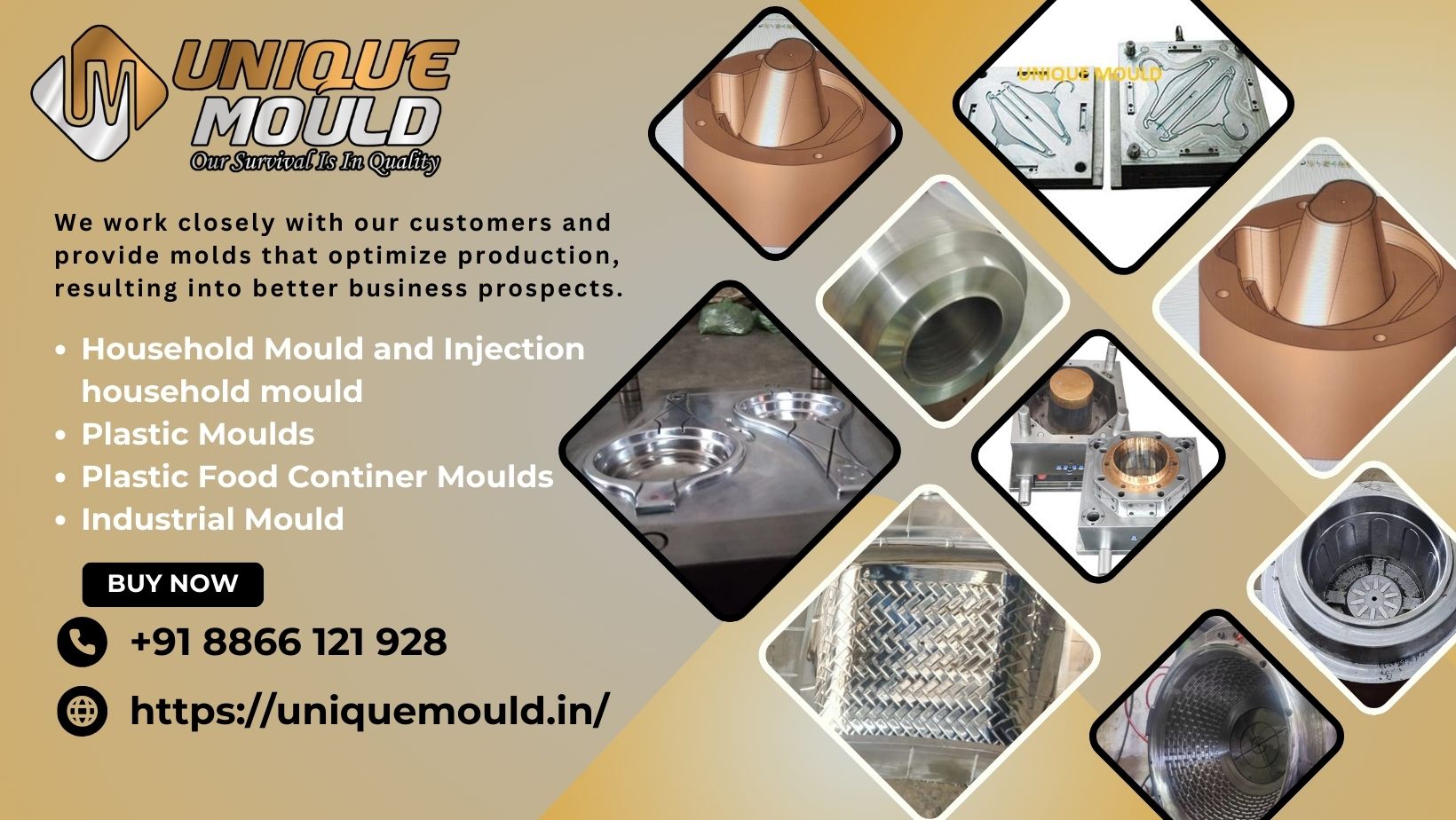
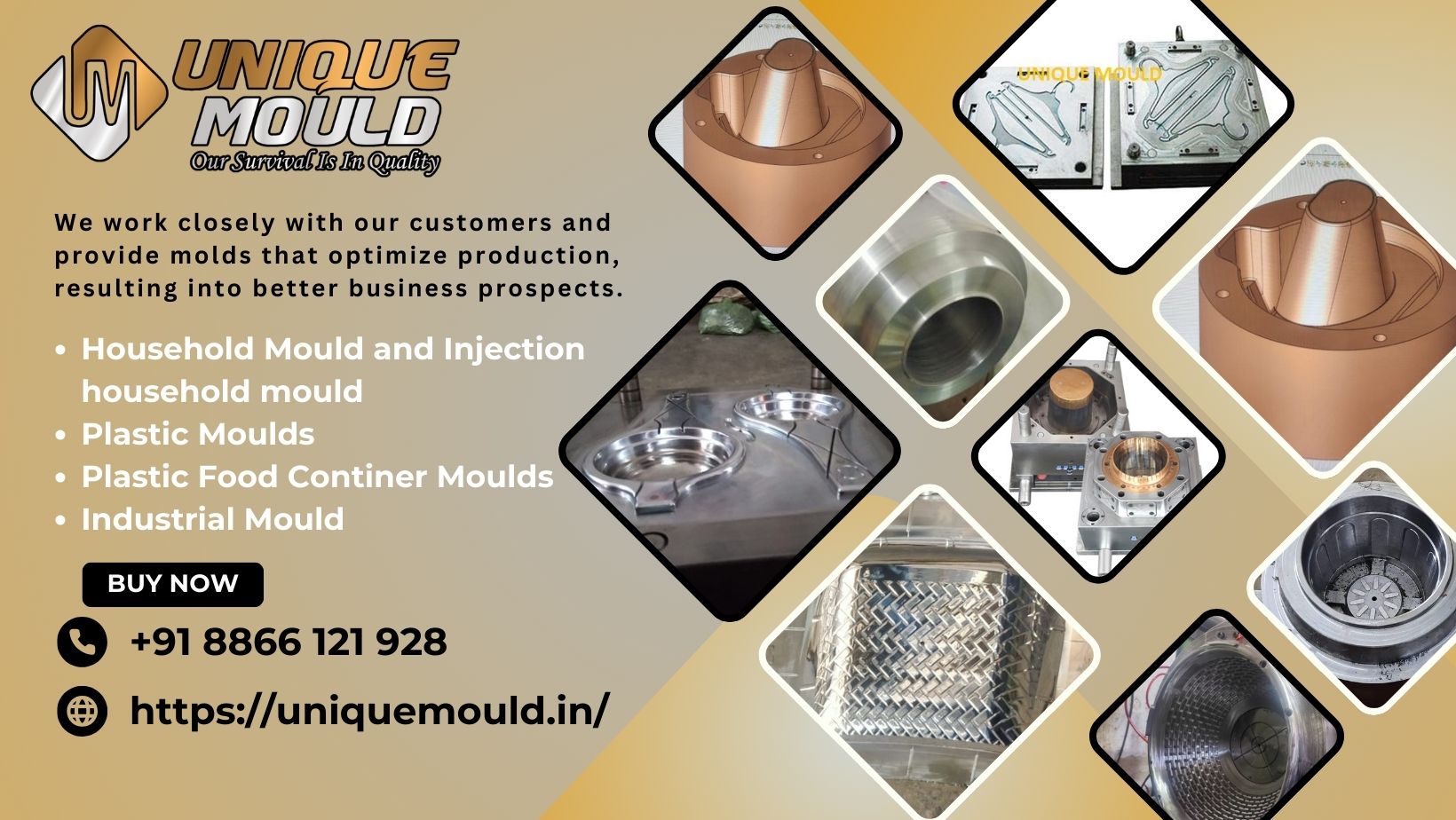
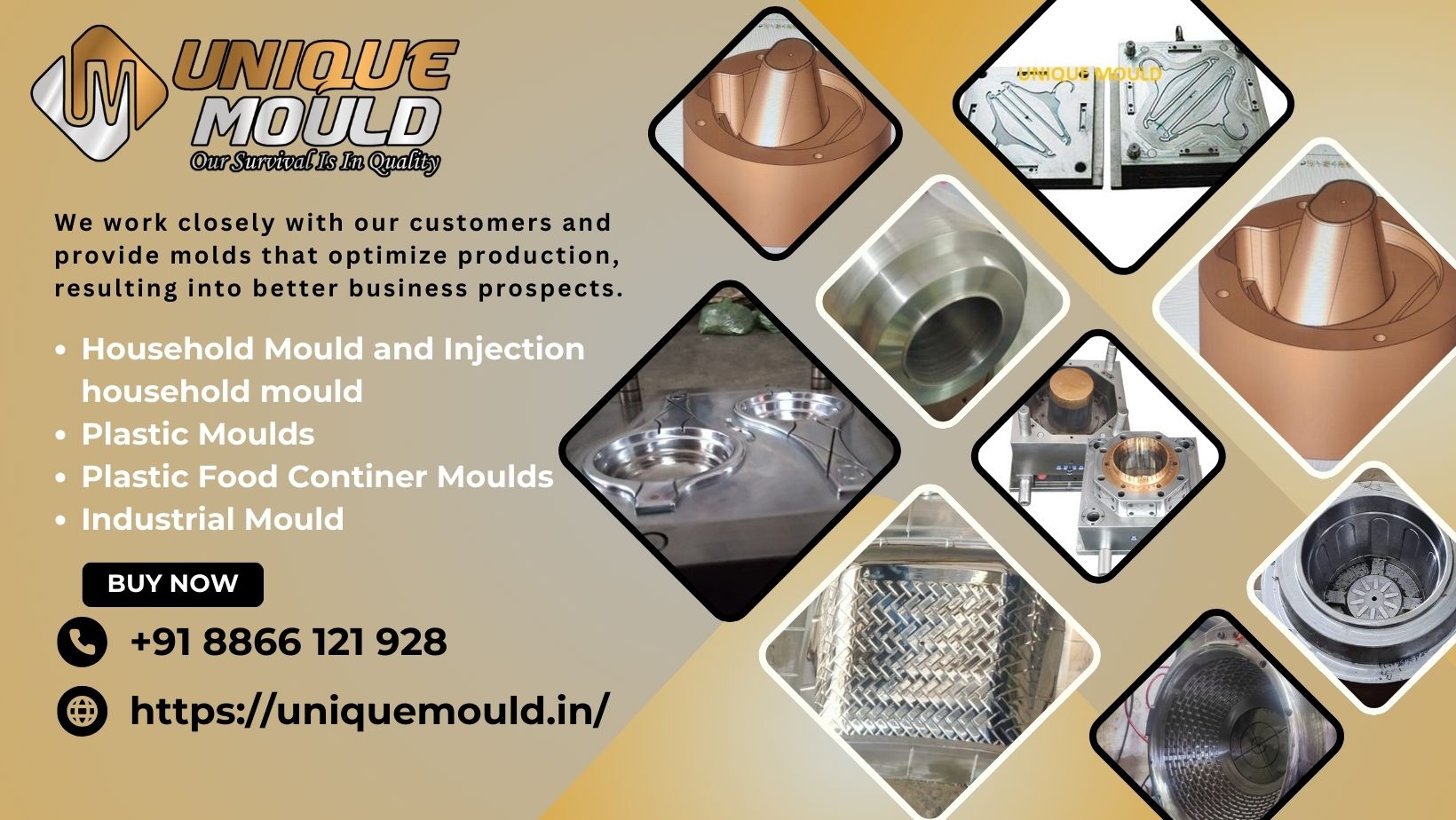
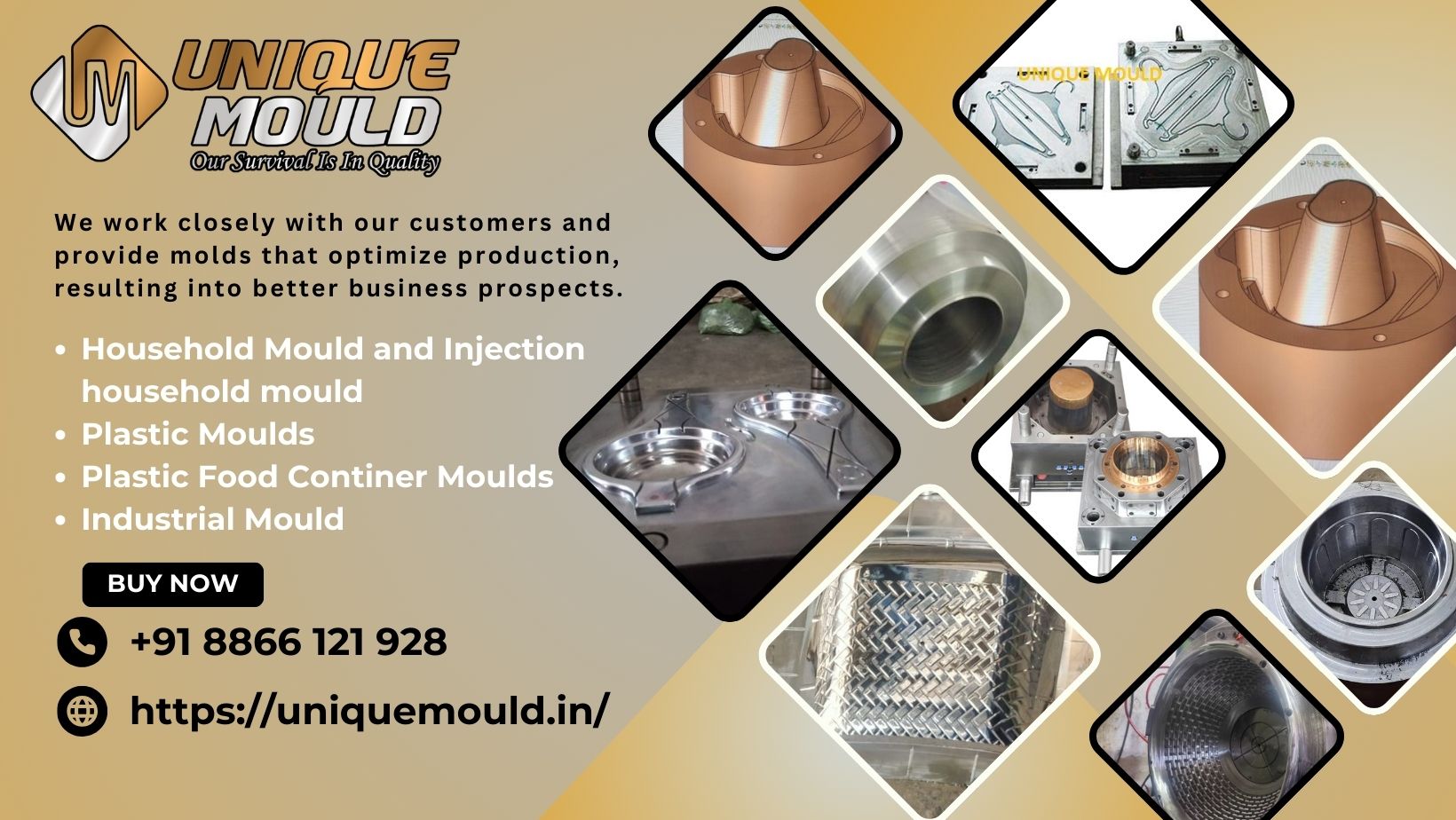
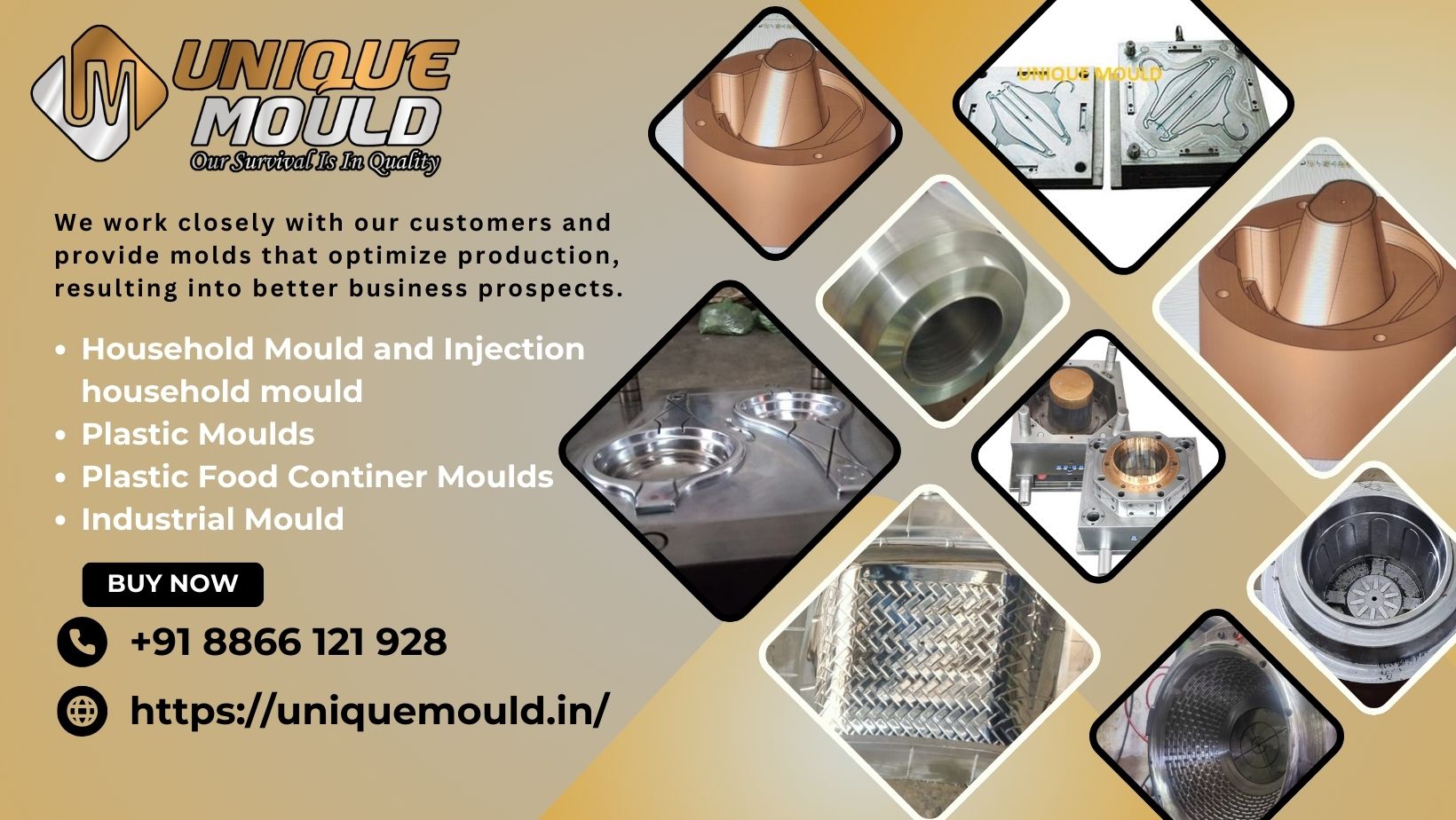
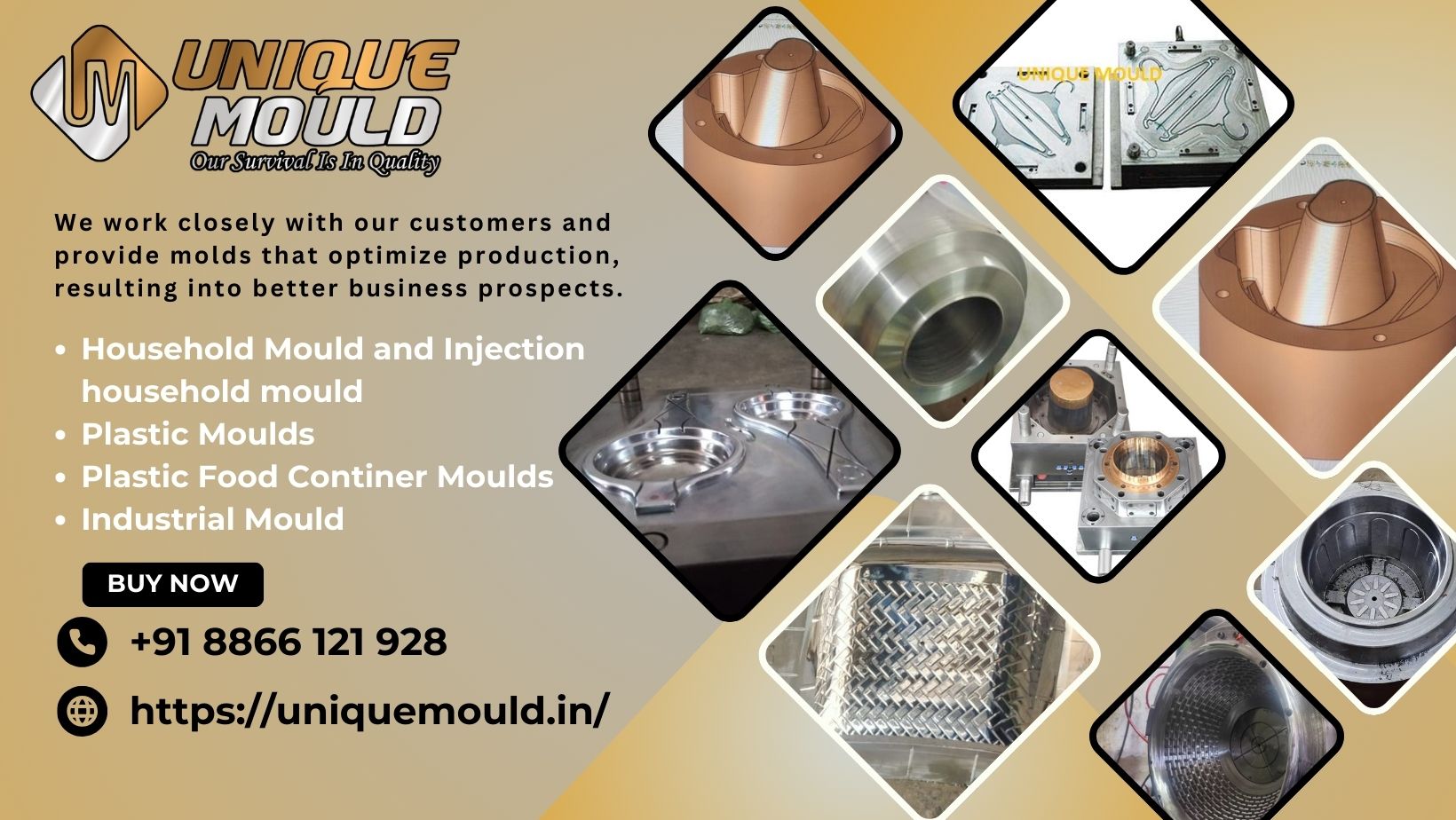
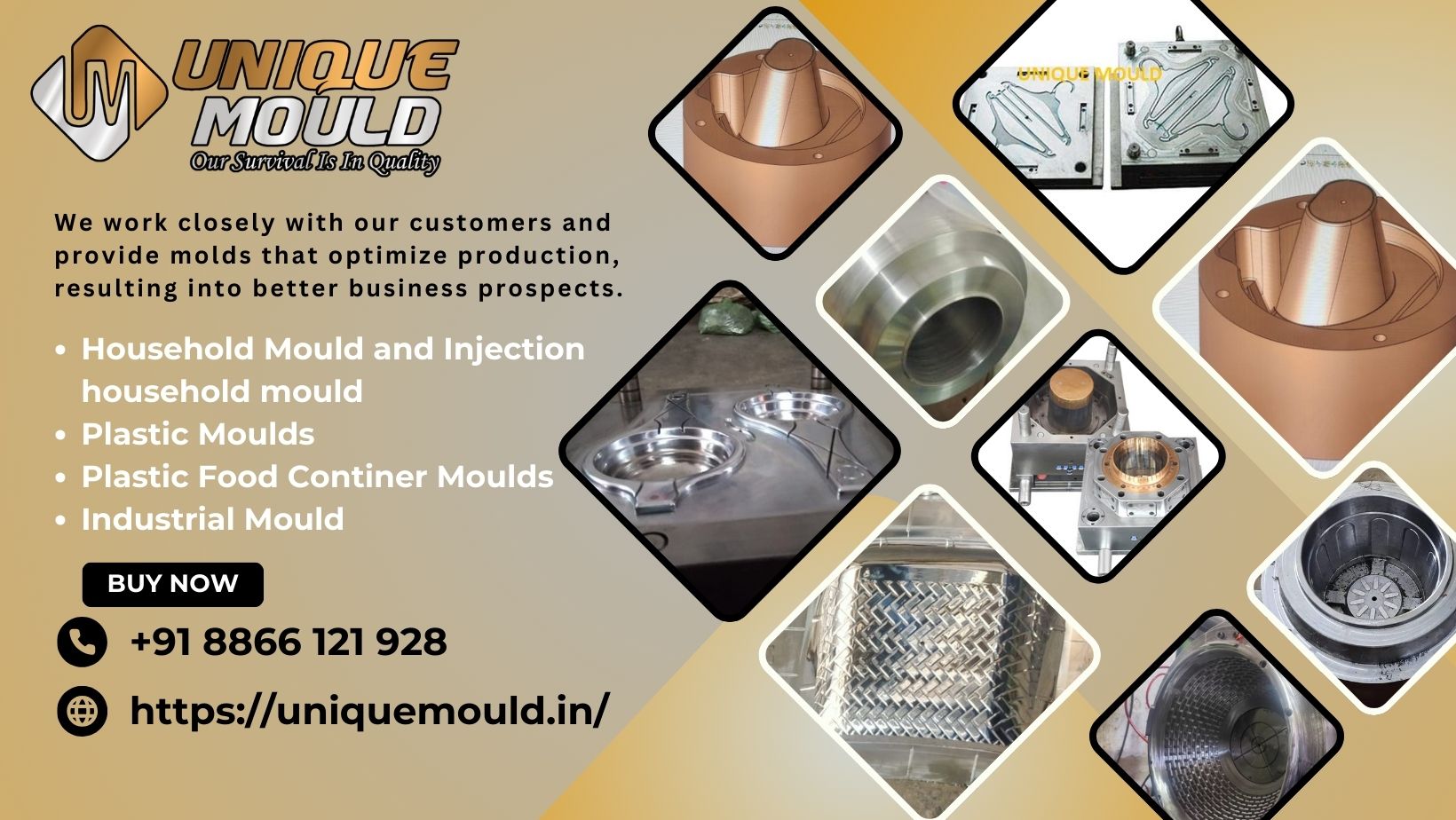
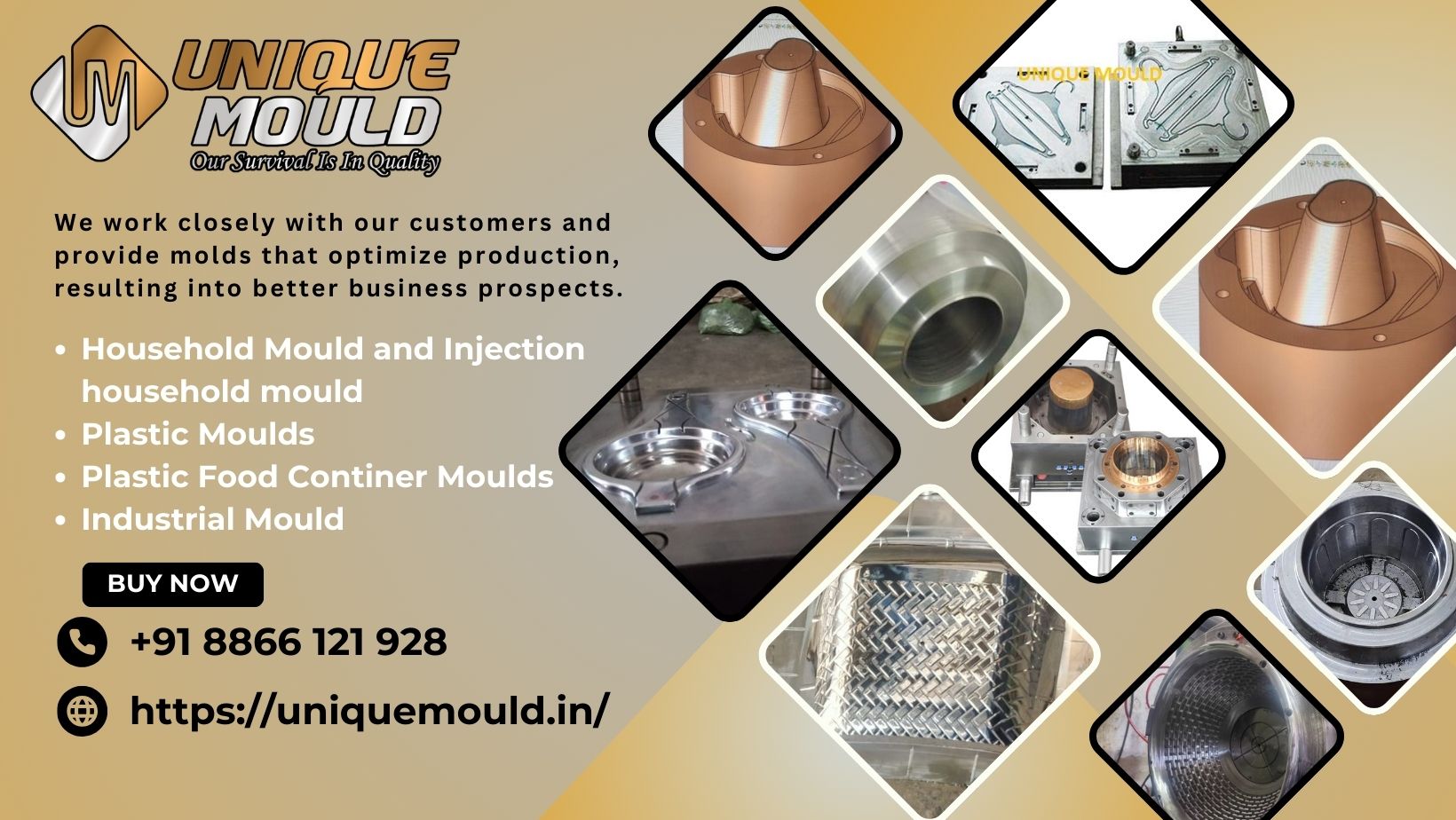
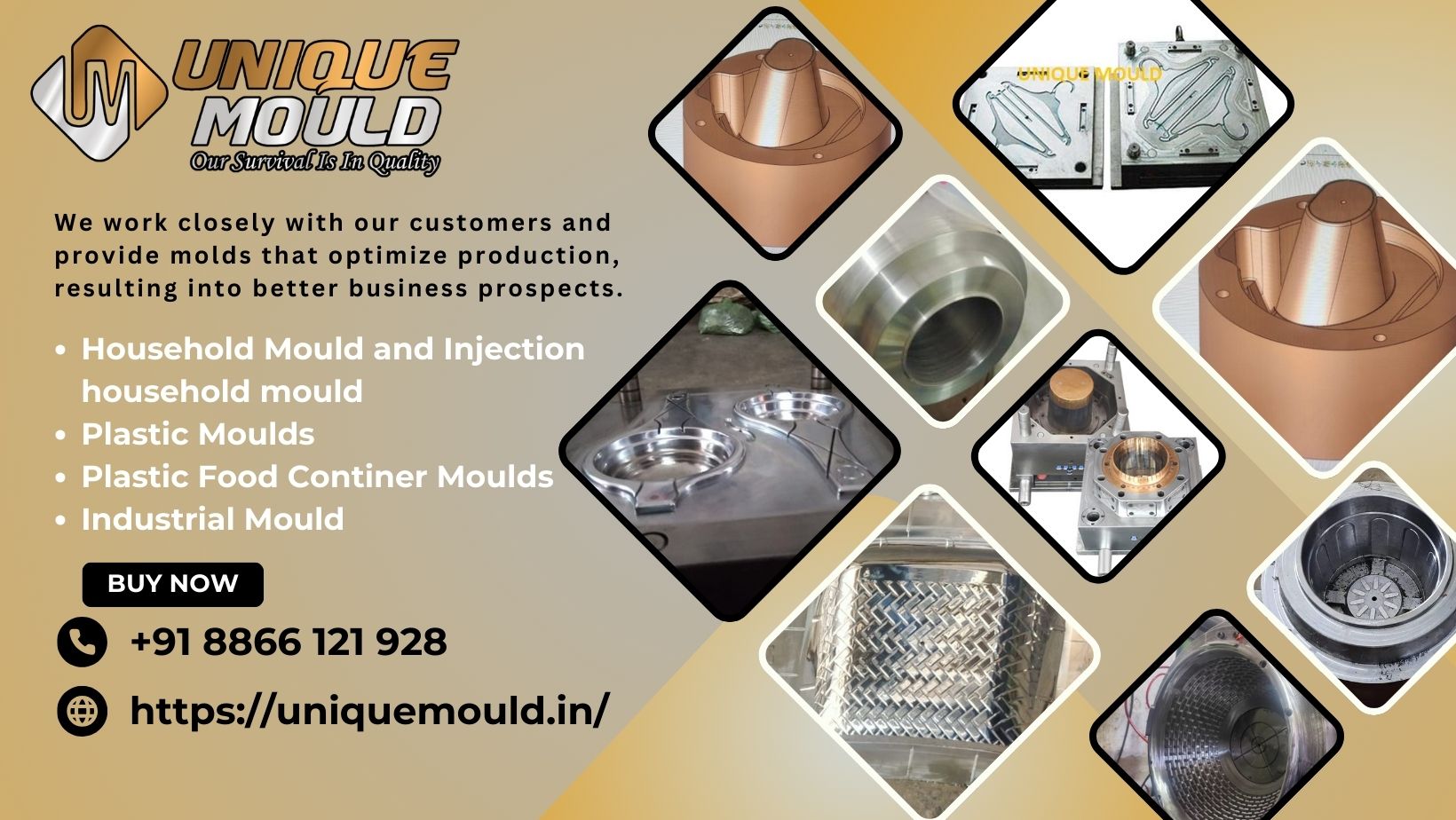
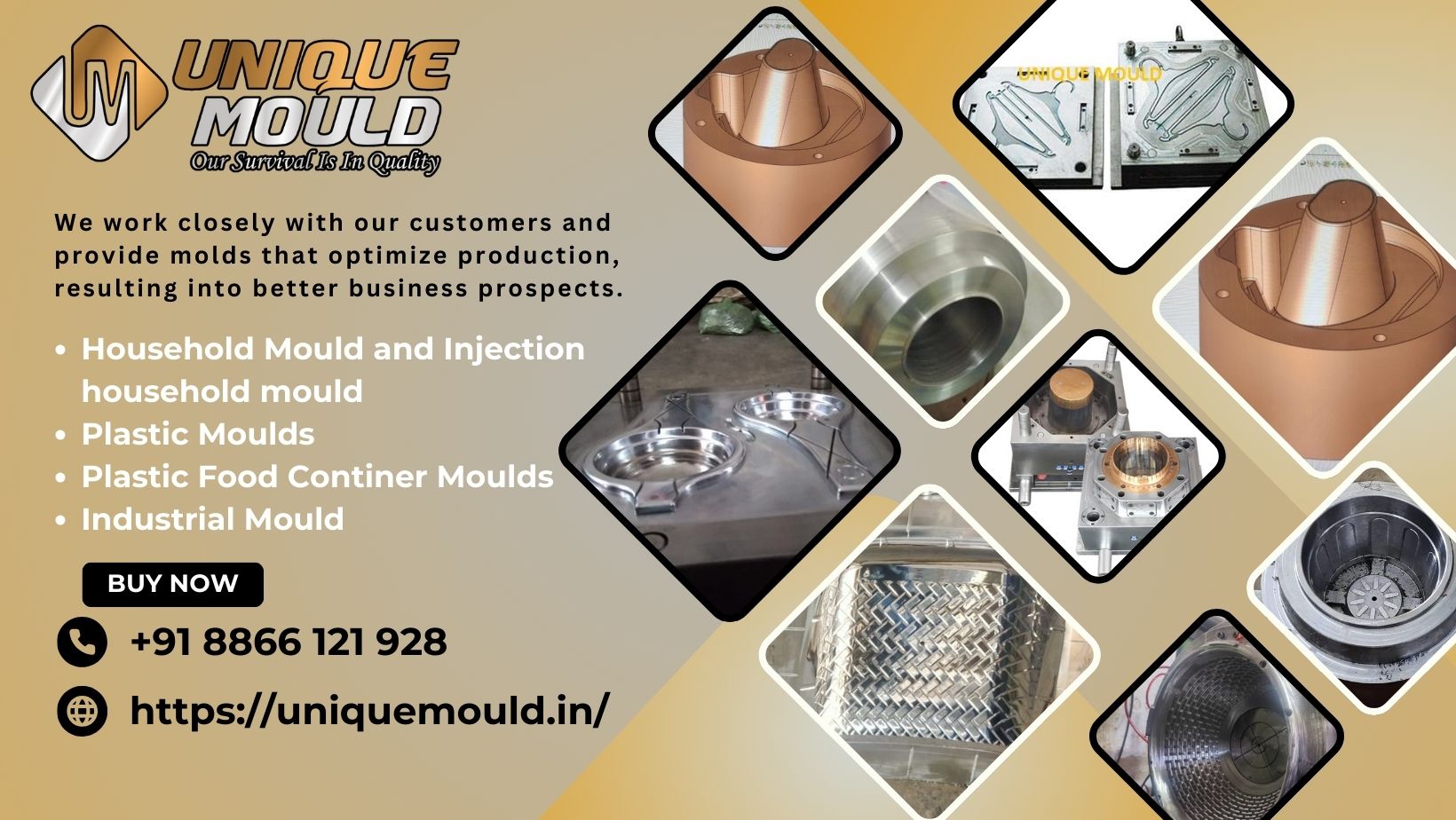
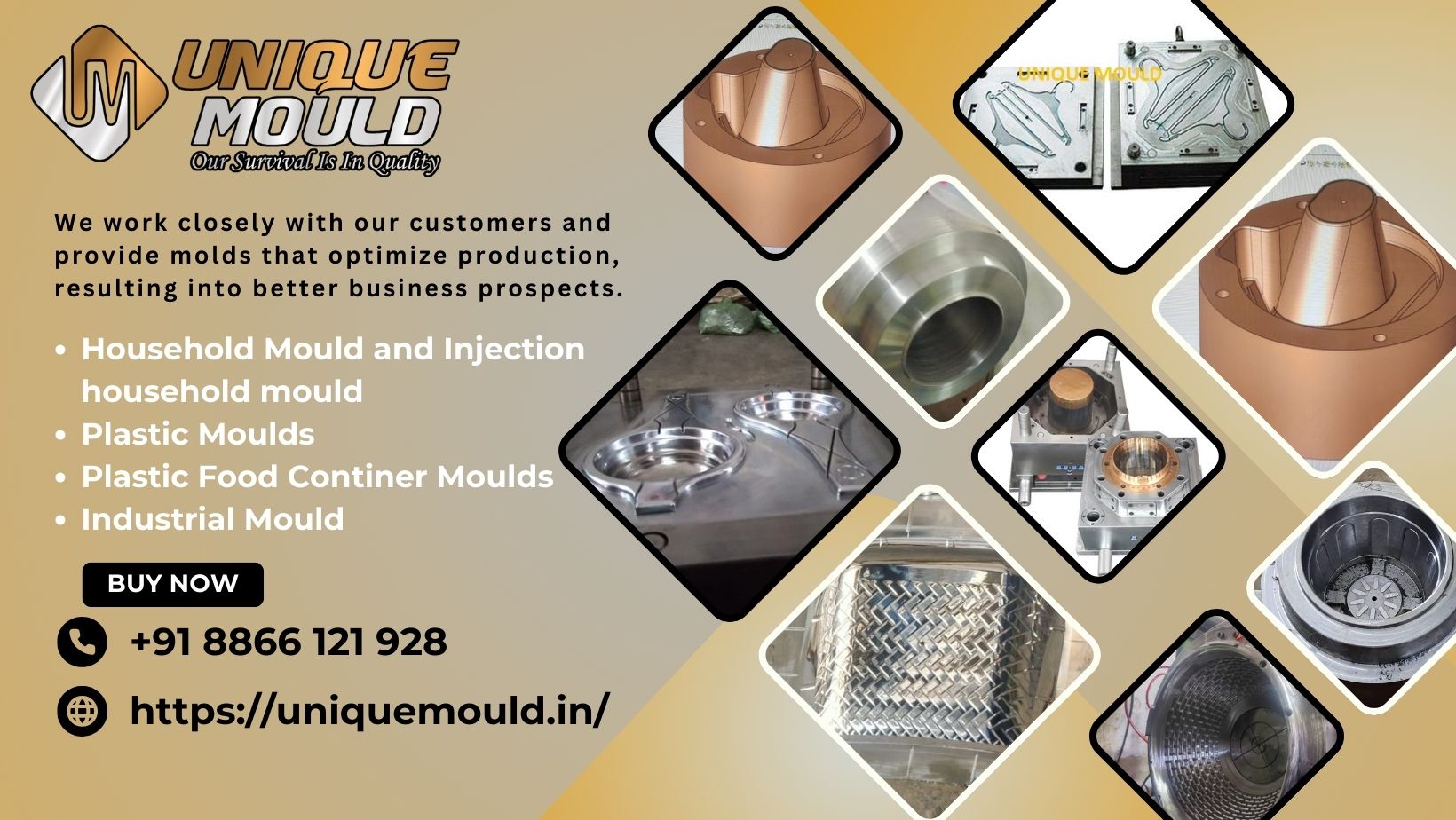
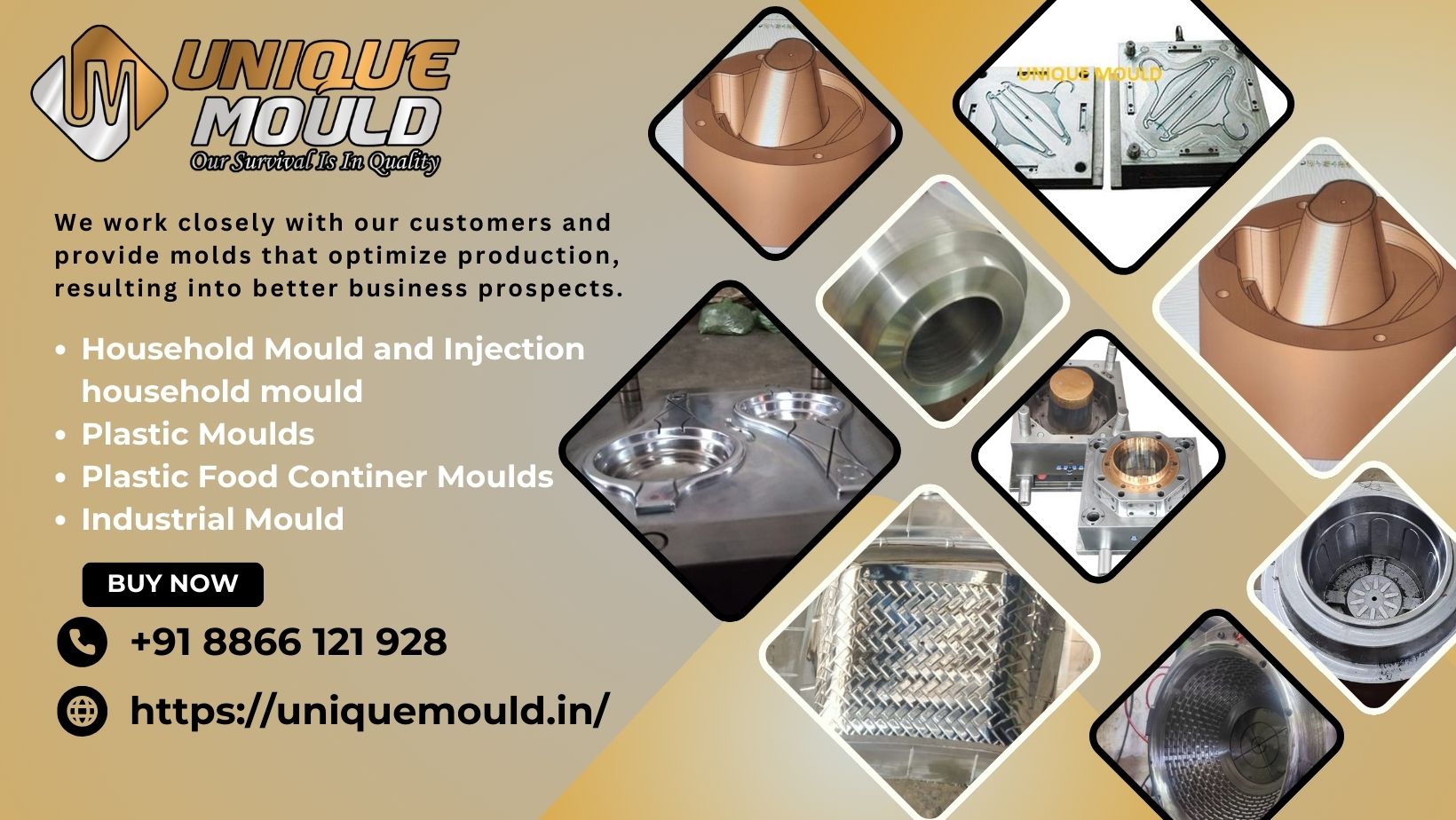
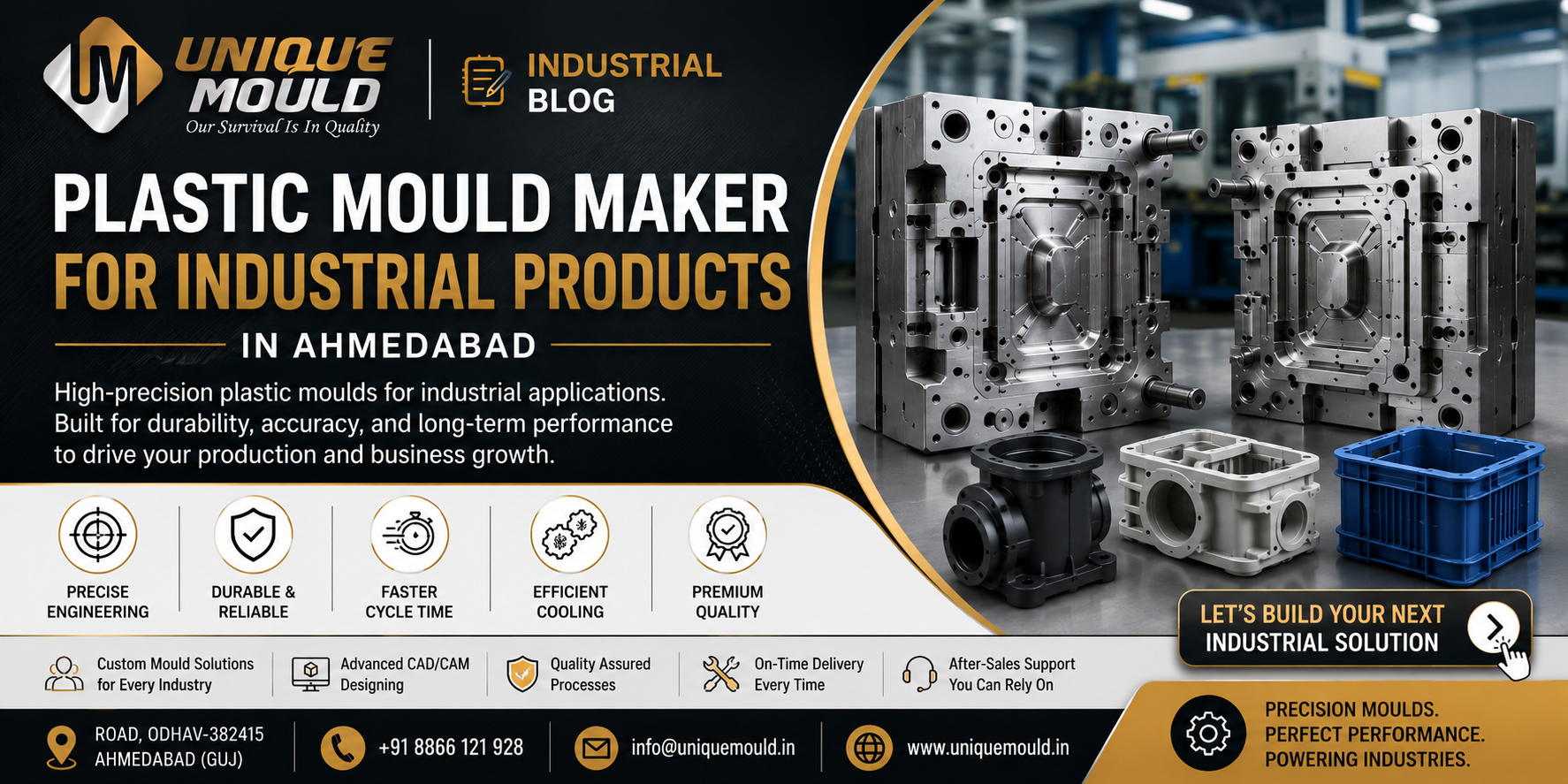
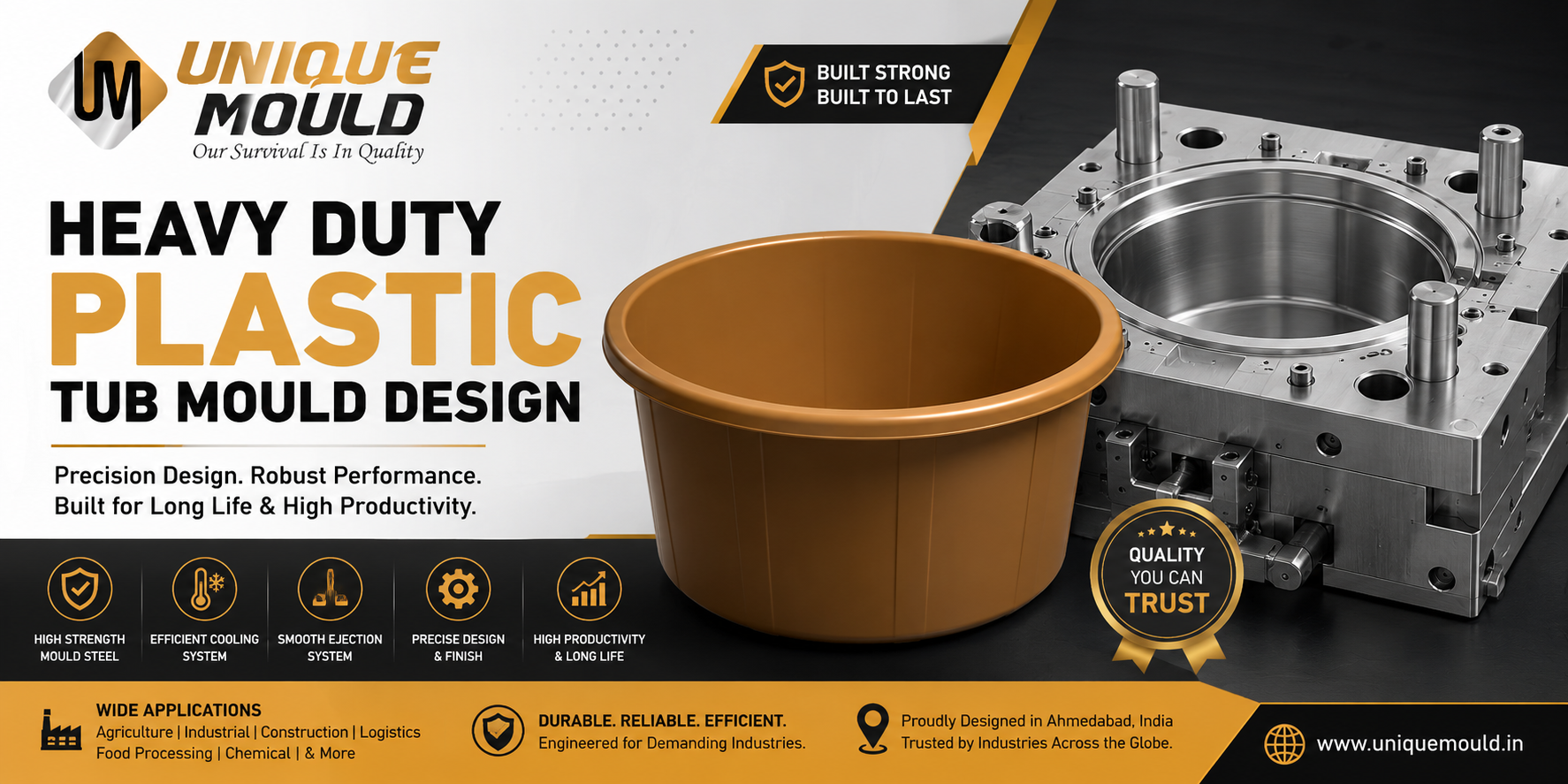
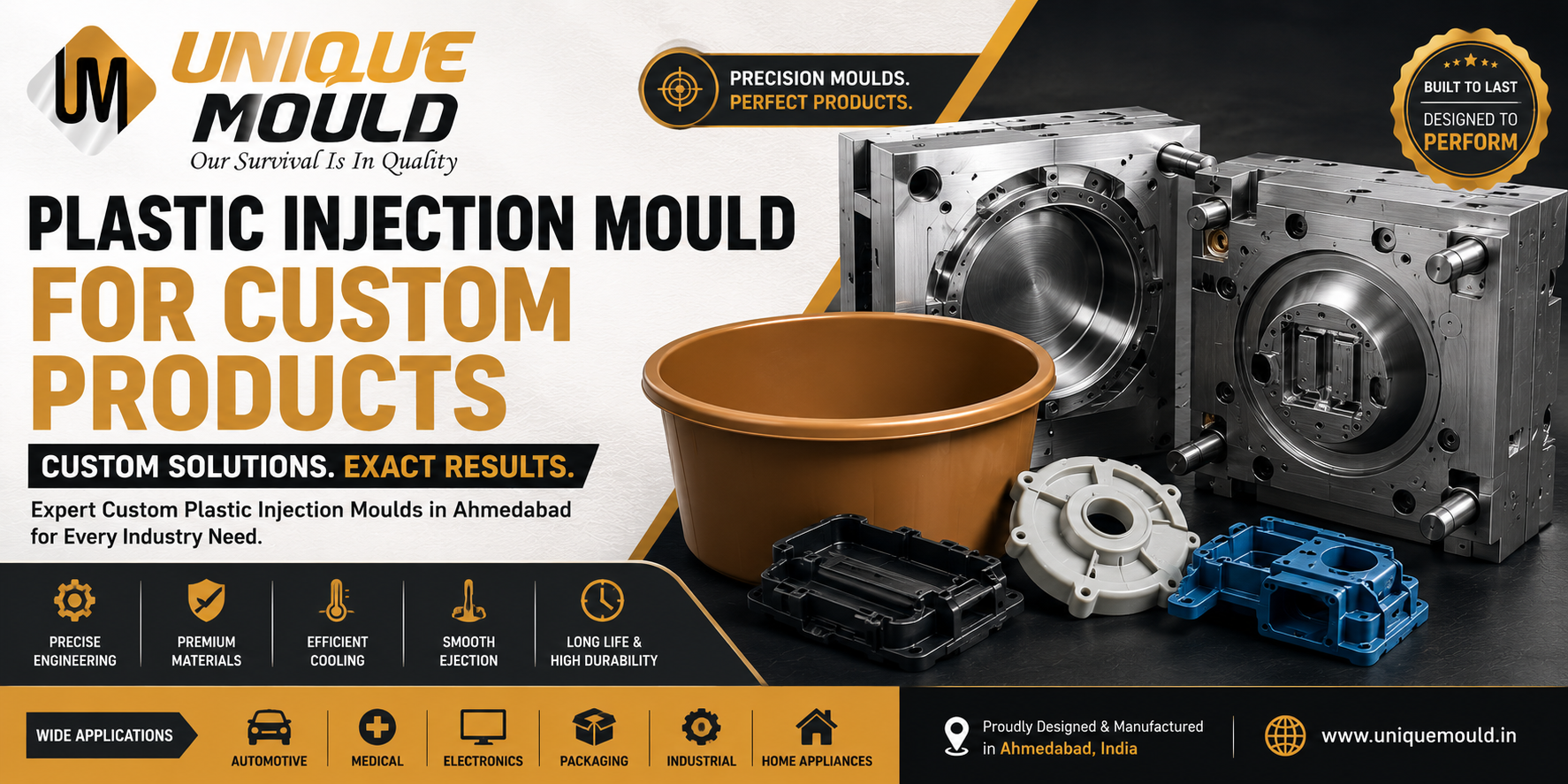
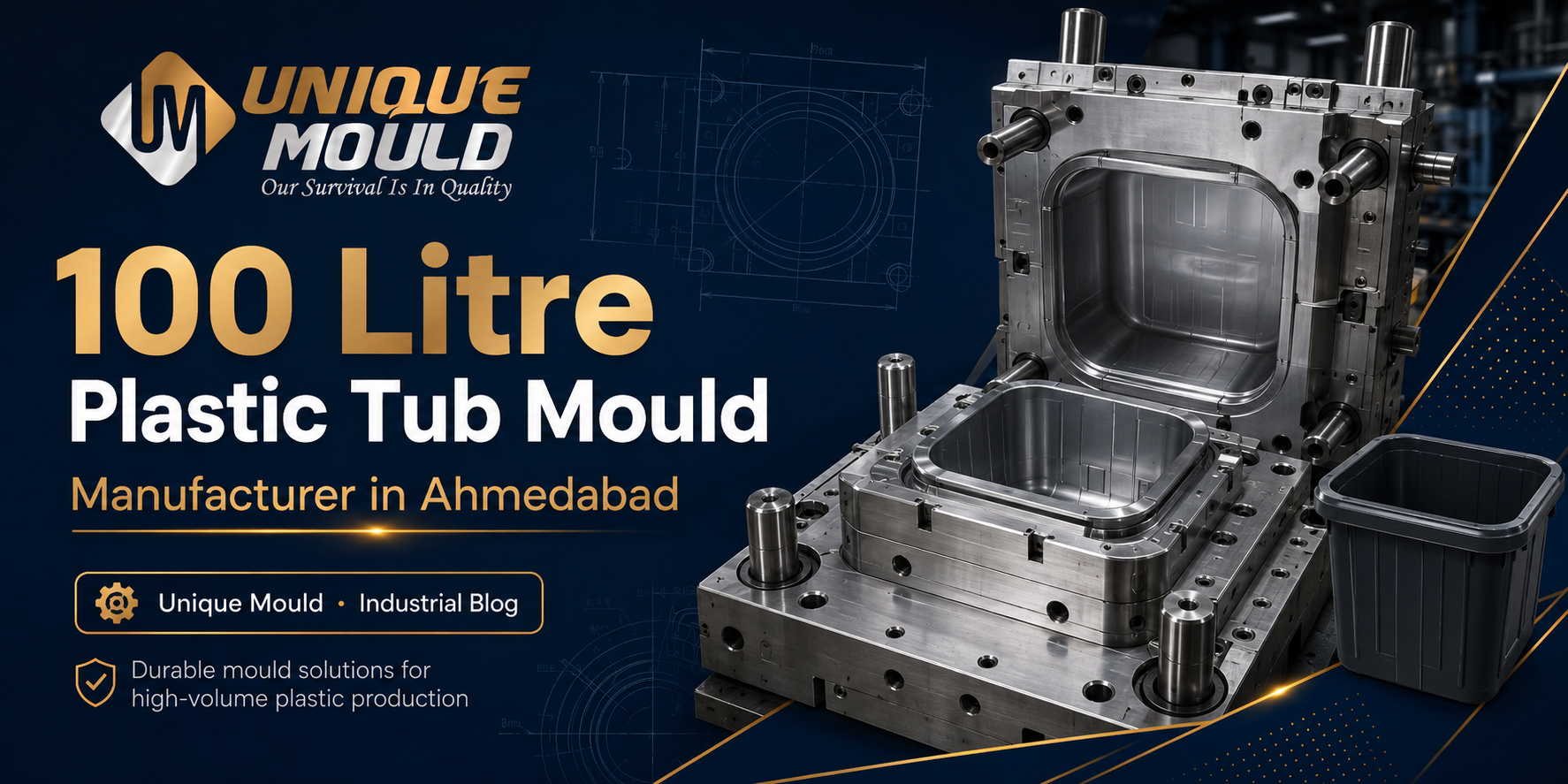
Industrial plastic mould tooling is built for demanding production where repeatability, dimensional stability, and long tool life matter. If you need parts for engineering, electrical, packaging, automotive, or heavy-duty industrial applications, the mould must be engineered around real process conditions such as polymer behavior, clamp force, cycle time targets, and expected output volumes. Unique Mould delivers precision mould manufacturing with controlled design review, accurate machining, reliable cooling layout planning, and stable trials to ensure consistent part quality across long production runs.
What Makes an Industrial Plastic Mould Production Ready
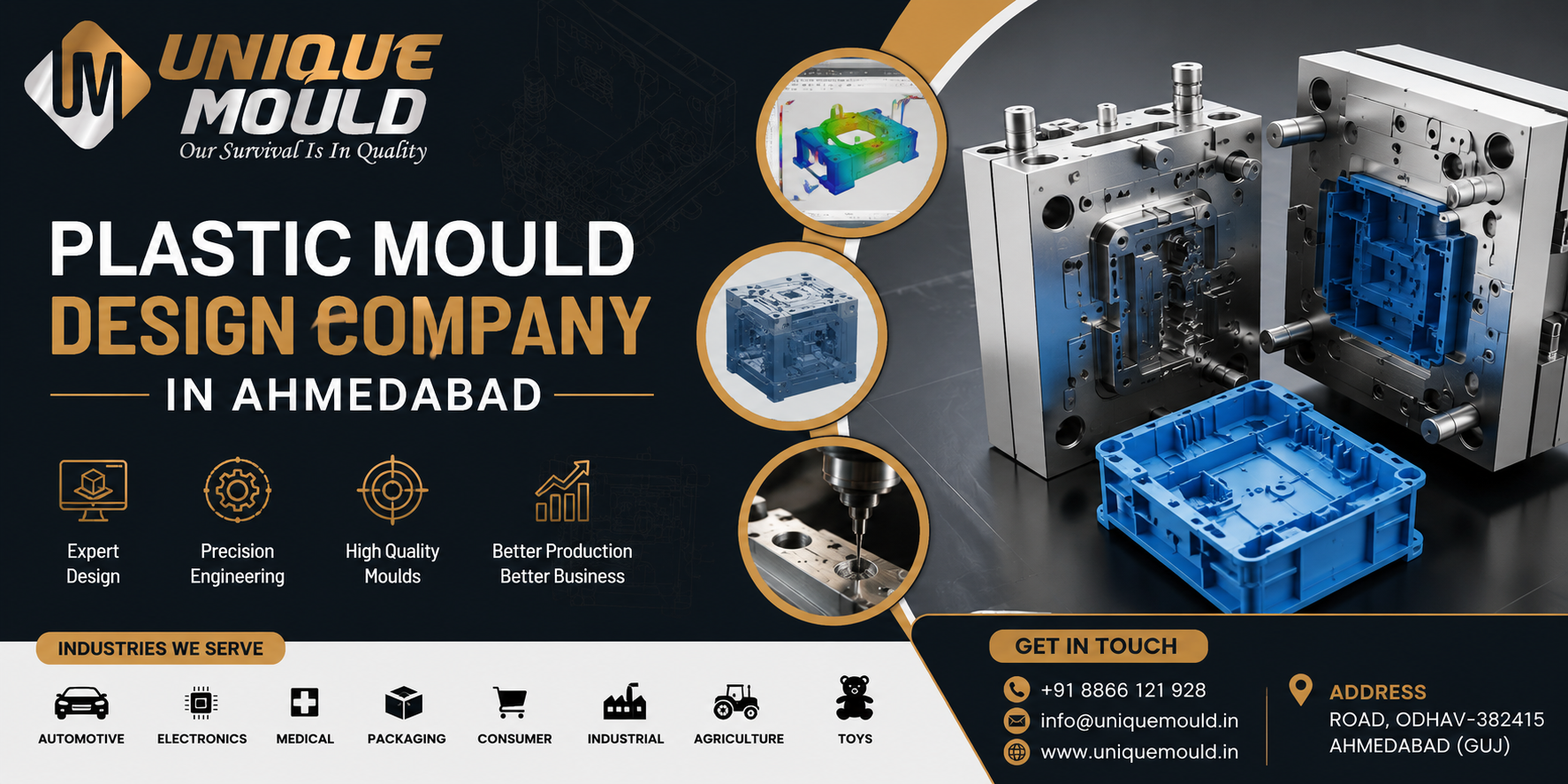
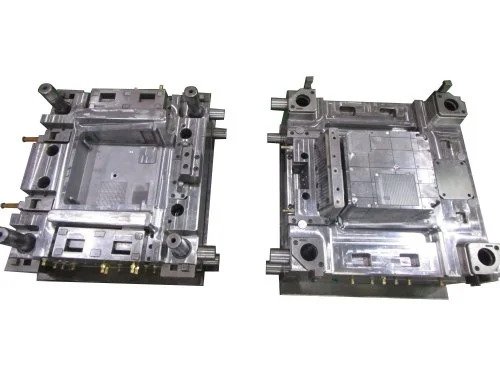
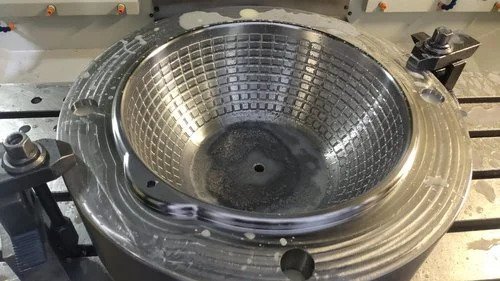
A production-ready industrial mould starts with a manufacturability-driven design approach. This includes draft validation, wall thickness balance, rib and boss reinforcement planning, venting for clean filling, and gate selection to reduce warpage and flow marks. Tool steel selection is aligned to resin type, abrasion level, and expected cycles. Cooling channels are engineered to remove heat uniformly and maintain dimensional control, while ejection systems are designed to release parts smoothly without surface damage or deformation.
Industrial Mould Types We Build
- Injection moulds for engineering plastics used in industrial and technical components.
- Multi-cavity moulds designed for high output and consistent part-to-part repeatability.
- Hot runner moulds for reduced material waste and stable filling in large production runs.
- Insert moulds for parts that combine metal inserts with molded plastic strength and accuracy.
- Prototype and sampling moulds for validation before full-scale industrial production.
Key Features That Improve Industrial Mould Performance
- Optimized gating and runner balance to ensure uniform filling and reduced defects.
- Efficient cooling design to stabilize cycle time and minimize dimensional variations.
- Wear-resistant components for longer tool life in abrasive or glass-filled polymers.
- Accurate alignment and guiding for consistent shut-off performance and flash control.
- Service-friendly design for easy maintenance of slides, lifters, ejectors, and inserts.
Applications of Industrial Plastic Moulds
- Electrical enclosures, terminal housings, switch parts, and insulation-related molded components.
- Automotive plastic components where fit, strength, and stability are required in large quantities.
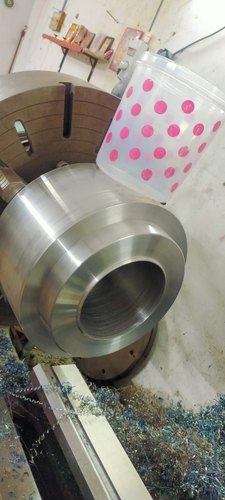
- Packaging and handling parts such as caps, closures, industrial containers, and functional accessories.
- Engineering components for machinery, fixtures, brackets, spacers, and industrial assemblies.
Benefits of Choosing Industrial Grade Mould Tooling
- Stable production with repeatable dimensions across long runs and multi-shift operations.
- Reduced rejection through balanced filling, controlled cooling, and reliable ejection performance.
- Longer mould life with correct steel selection and wear-focused design for harsh polymers.
- Improved cycle efficiency through optimized cooling, venting, and process-oriented design review.
Industrial Plastic Mould Manufacturing Workflow
The industrial tooling workflow starts with part data review and feasibility confirmation. After finalizing design intent, the mould layout is developed for cavity count, runner type, cooling circuits, and ejection logic. Precision CNC and EDM machining ensure accurate cavity geometry and shut-offs. Controlled trials validate fill balance, part finish, and dimensional stability, followed by fine tuning for reliable cycle performance. Documentation and support are maintained to help production teams keep output consistent over the mould’s lifecycle.
Tips for Better Industrial Mould Output and Tool Life
- Confirm resin grade and additives early to align steel selection and venting strategy.
- Use uniform wall thickness where possible to reduce sink marks and warpage under load.
- Prioritize balanced cooling near thick zones to control shrinkage and dimensional drift.
- Plan ejection on non-cosmetic surfaces to reduce marks on visible or functional faces.
- Maintain lubrication and inspection schedules for slides, lifters, ejector pins, and wear plates.
FAQs – Industrial Plastic Mould
Contact Details
Talk to our specialists today for tailored solutions and fast assistance.